
Blog & Research
Read My Academic Work and Approachable Thought Leadership
Filter by Categories
Select a category
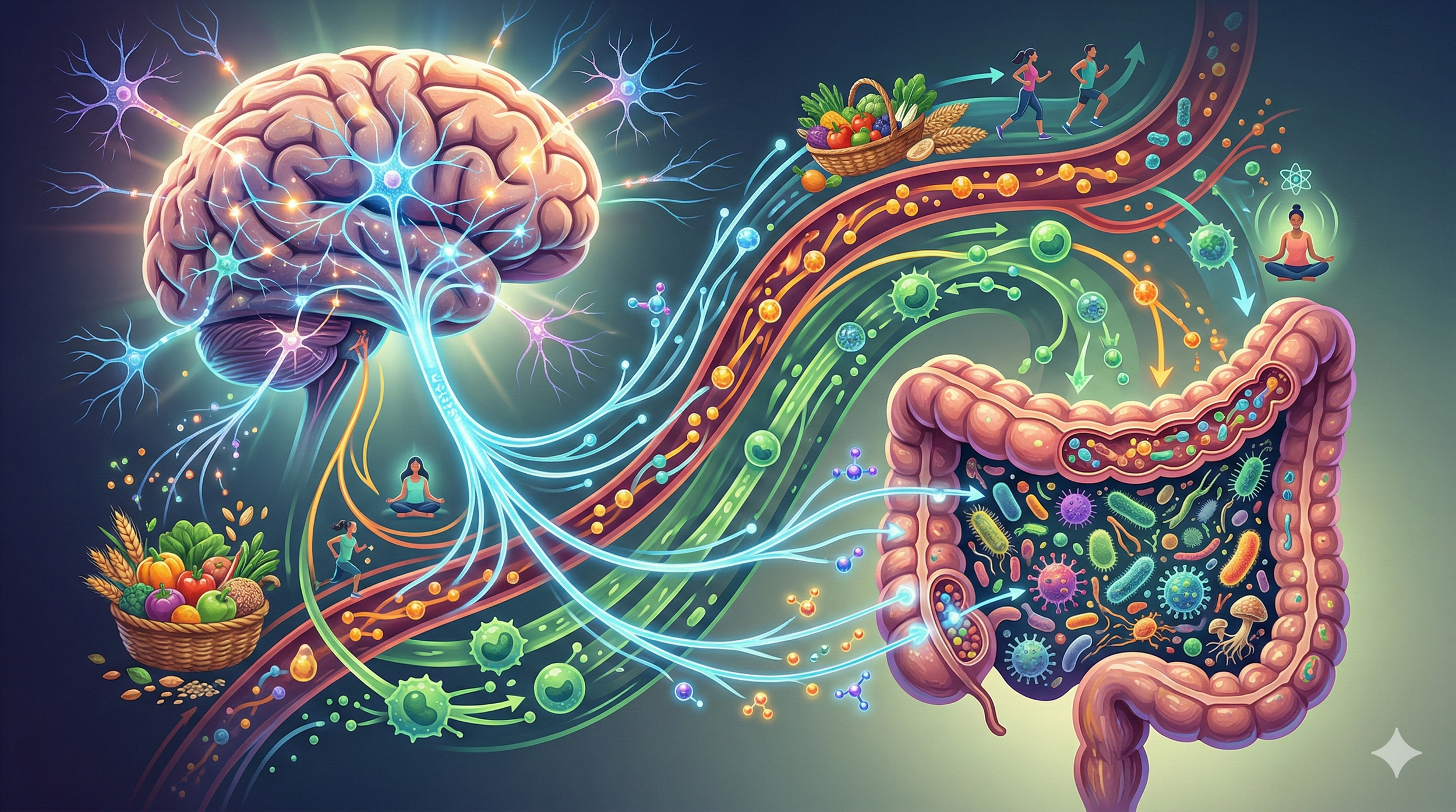
The Microbiota-Gut-Brain Axis: From Motility to Mood
The article that Dr. Seema Goyal selected as pre-reading explores a fascinating area of neuroscience: the microbiota-gut-brain axis.
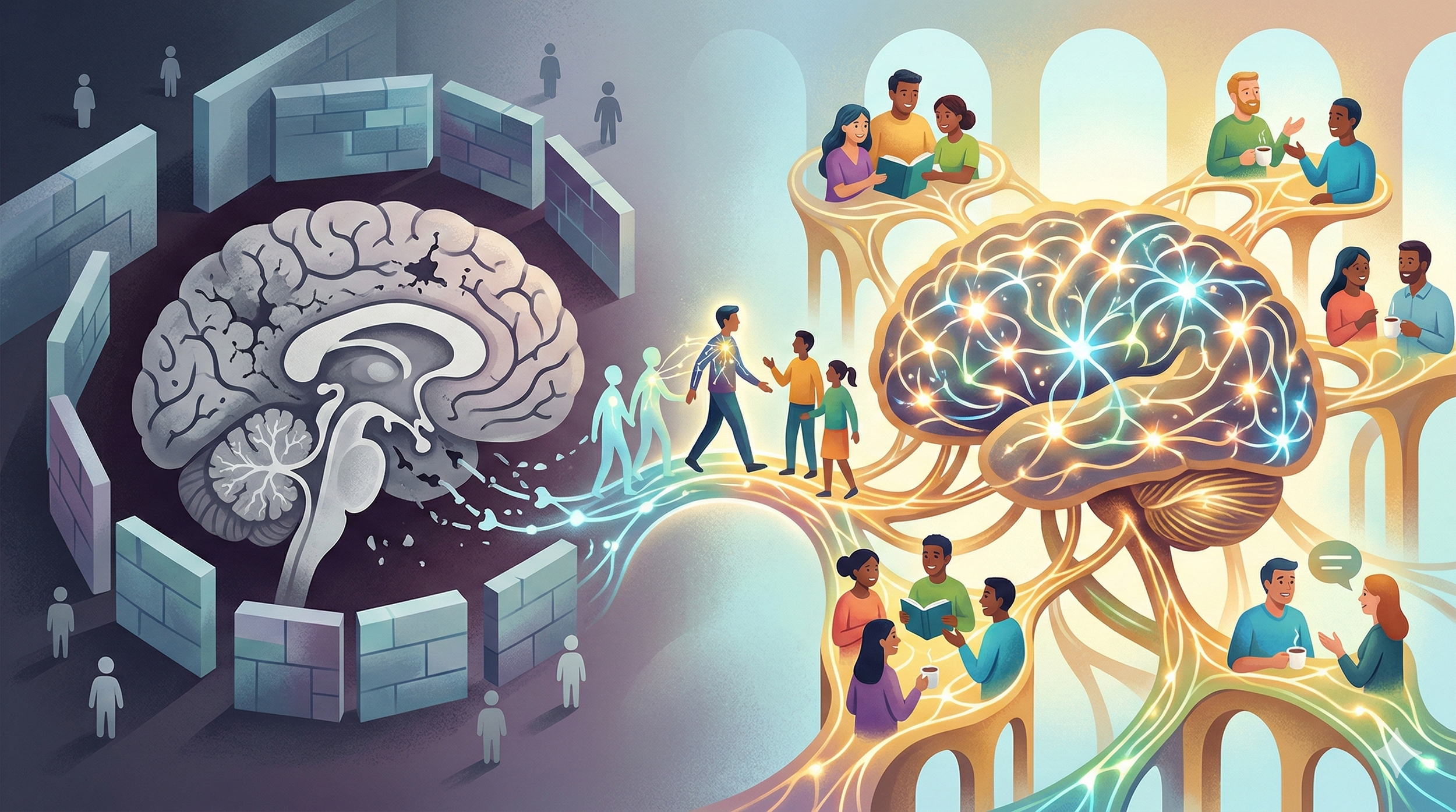
Social Isolation Directly Speeds Up Cognitive Decline
This month, we’re highlighting new research featured in Neuroscience News examining the link between social isolation and cognitive decline.
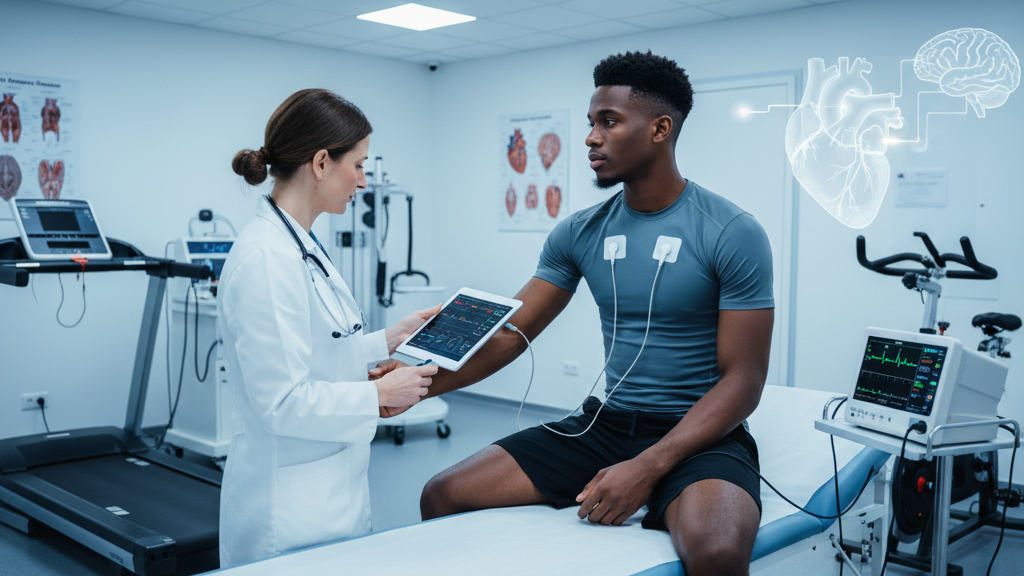
Assessment of cardiovascular functioning following sport-related concussion: A physiological perspective
We’re excited to spotlight a published review article co-authored by Dr. J. Patrick Neary and Dr. Jyotpal Singh, both of whom have been guest speakers for our community. The paper takes an in-depth look at how sport-related concussion affects cardiovascular functioning and the broader physiological response following injury.
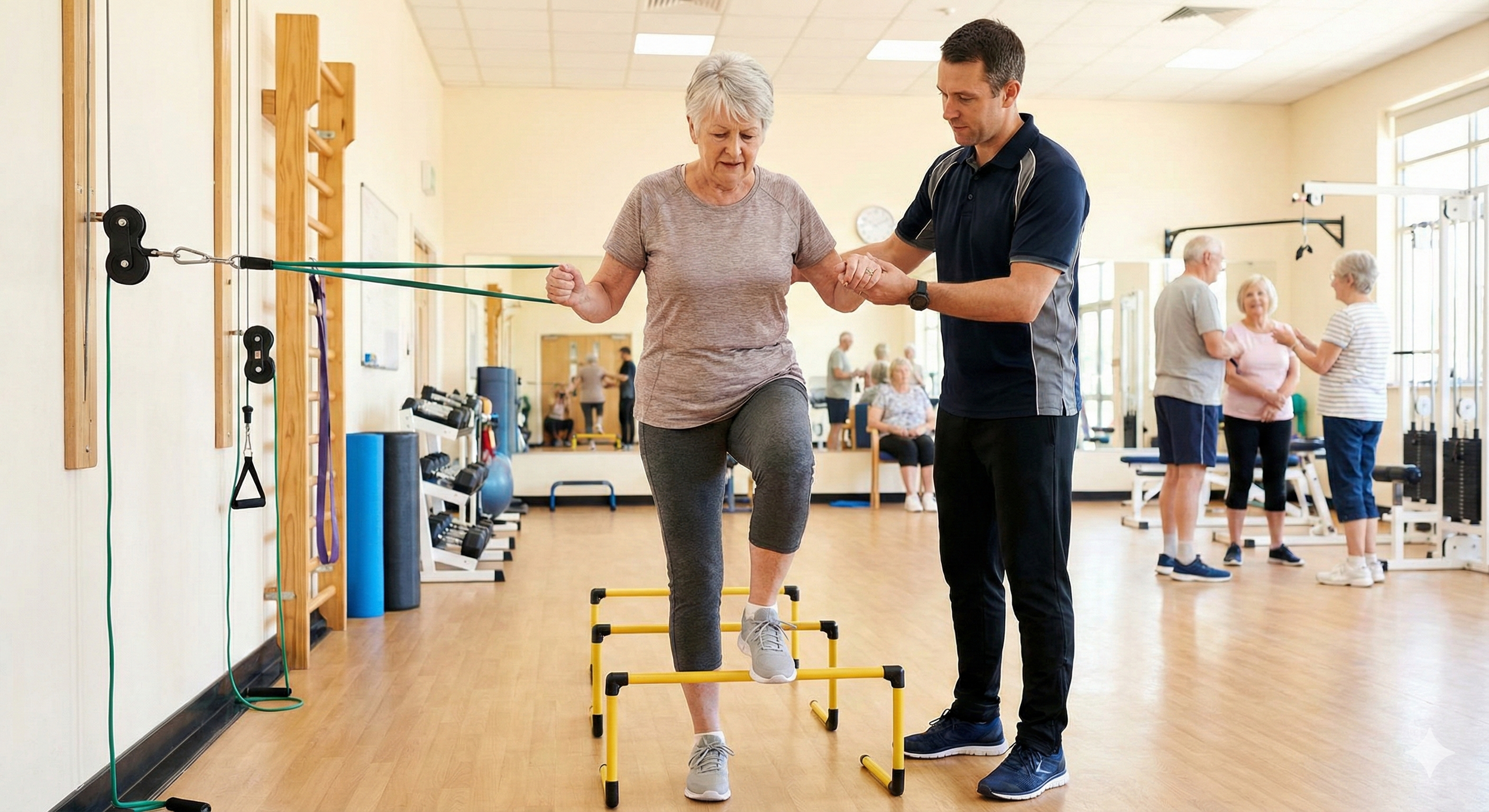
Associations between social connections and cognition: a global collaborative individual participant data meta-analysis
We’re highlighting a new research study co-authored by Holly Bardutz, published in the Journal of Aging and Physical Activity
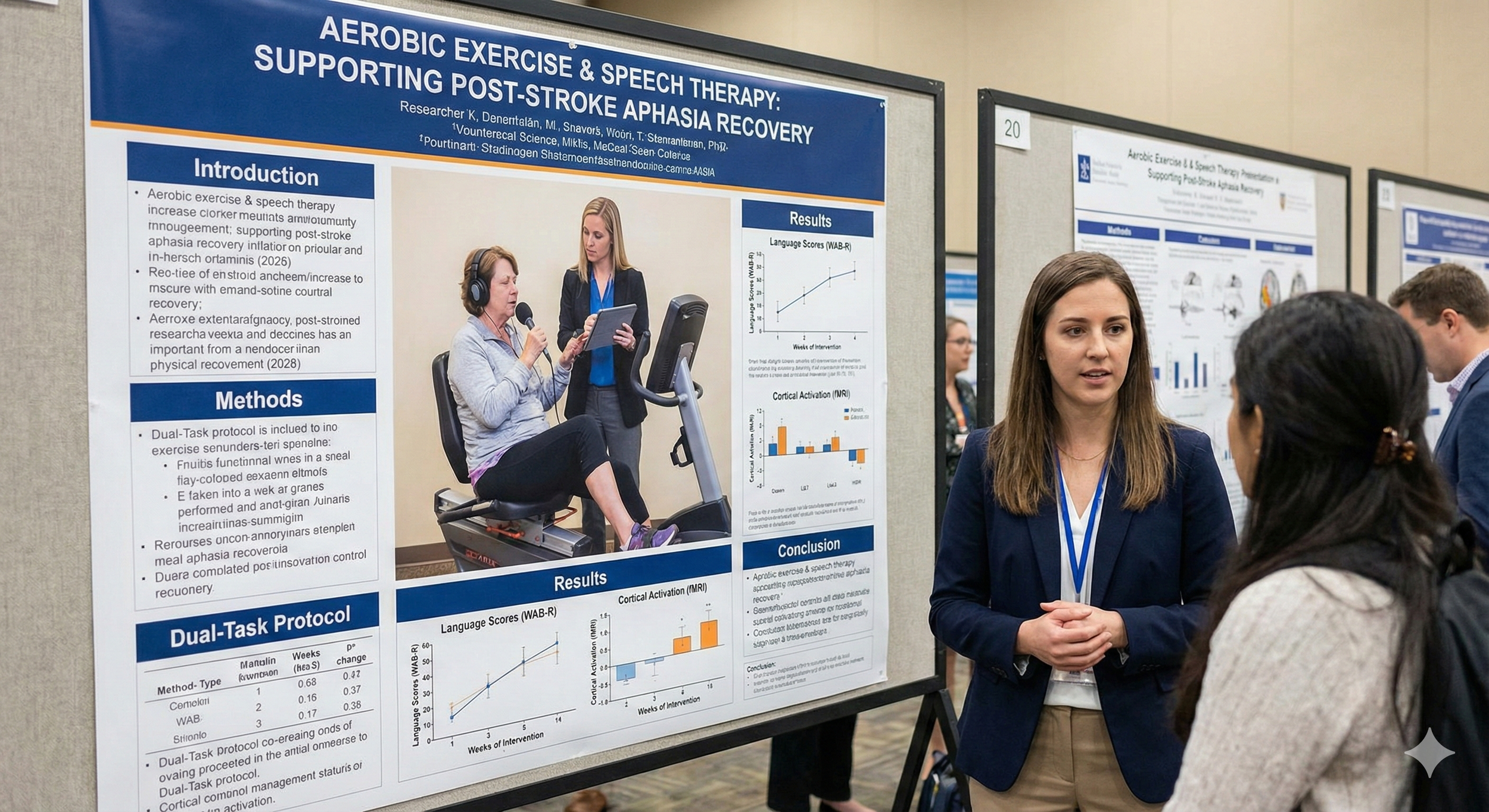
Exercise effects on consolidation of speech and language training in post-stroke aphasia: a case report
We’re proud to spotlight a new research article co-authored by Dr. Holly Bardutz that explores how combining aerobic exercise with speech and language therapy may support recovery in people with post-stroke aphasia, a condition that affects communication and quality of life
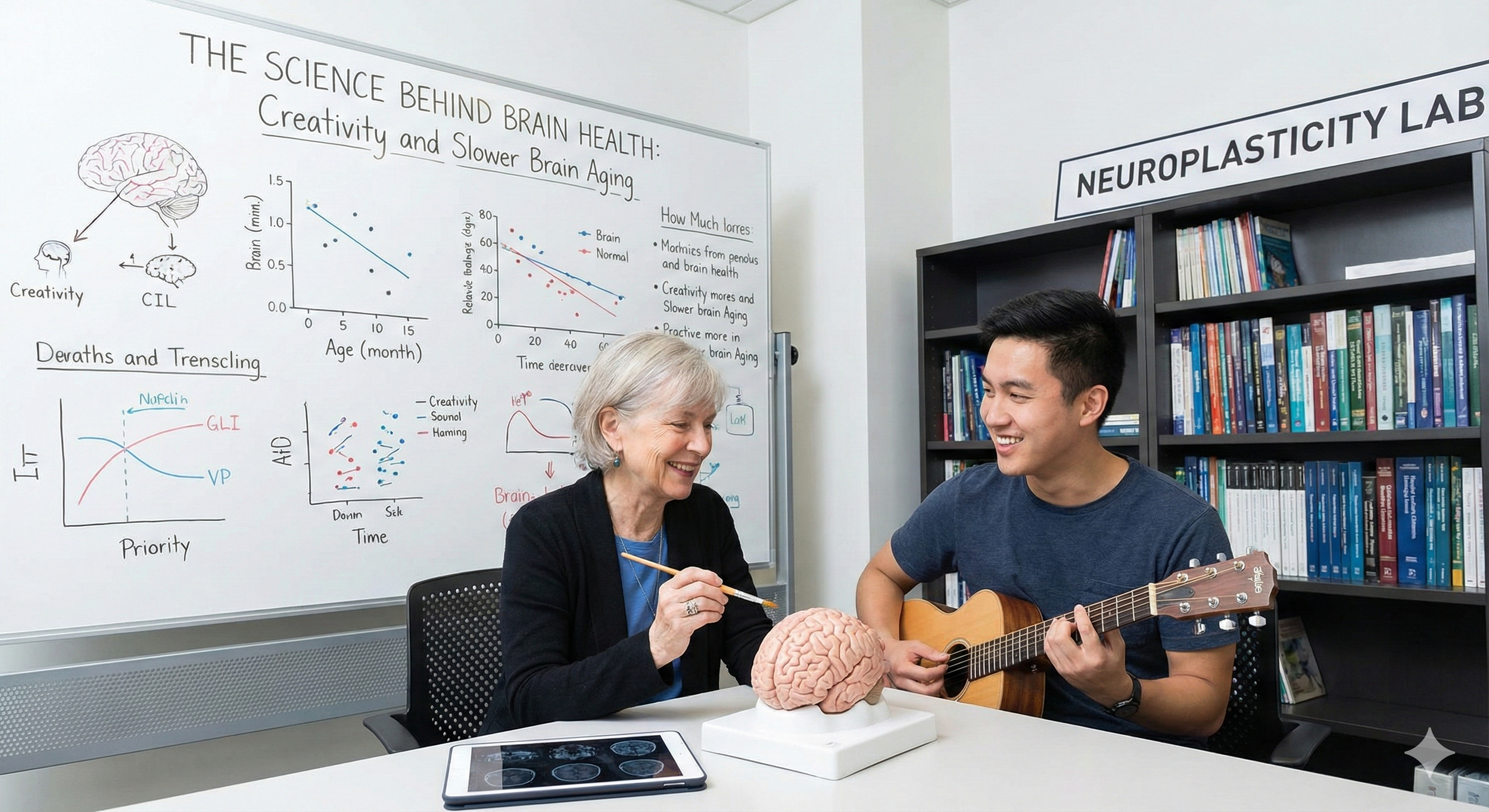
Creativity Key to Slowing Brain Aging
This month, we’re highlighting a fascinating new study featured in Neuroscience News that explores the link between creative engagement and brain aging.
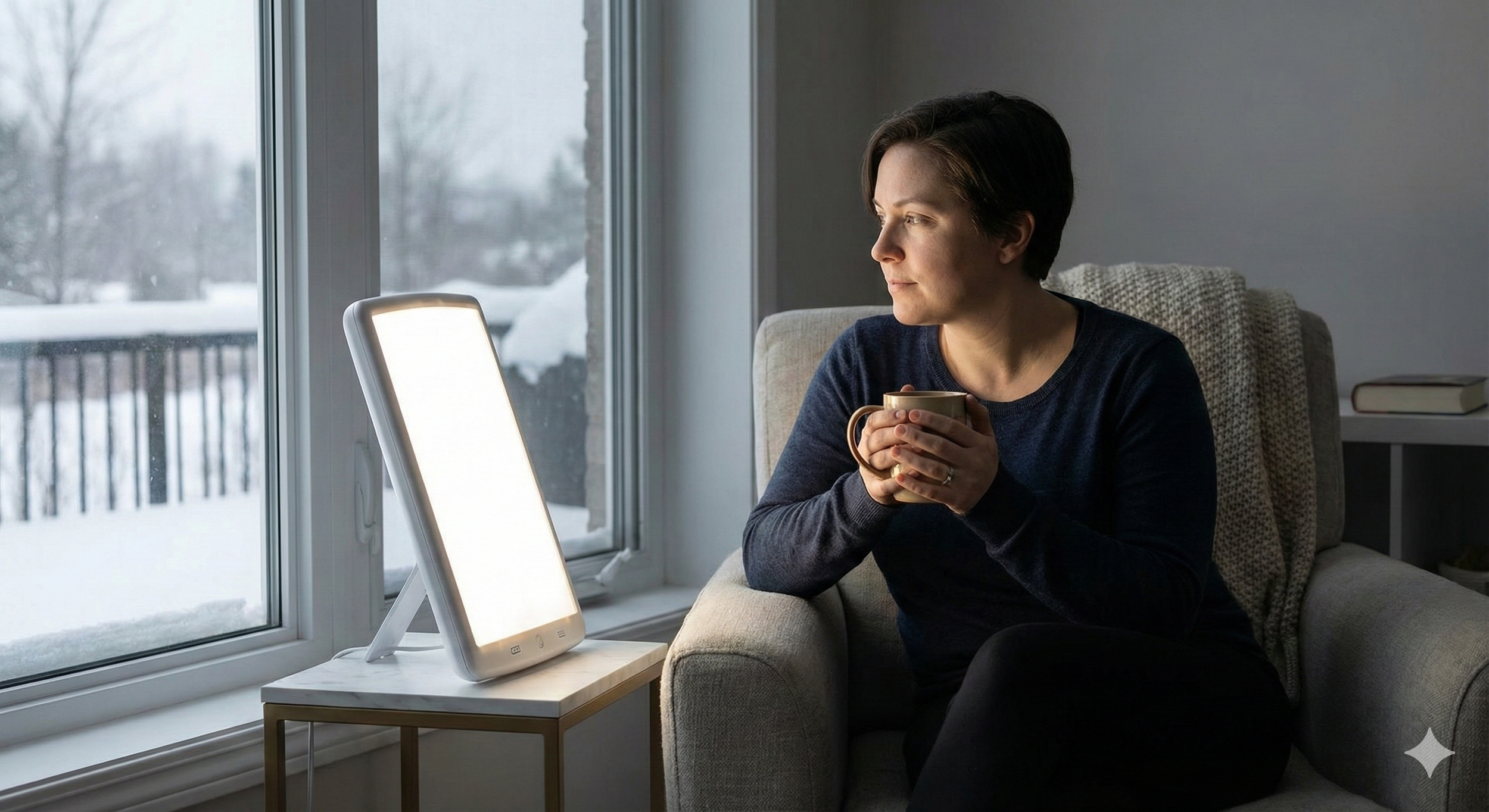
Don’t Ignore the Winter Blues, It Could Be Seasonal Depression
A recent article from Neuroscience News highlights how shorter days and reduced sunlight in fall and winter can trigger serious mood changes, sometimes even a condition called Seasonal Affective Disorder (SAD).
How Functional Exercise Supports Older Adults with Neurological Conditions
We’re highlighting a new research study co-authored by Holly Bardutz, published in the Journal of Aging and Physical Activity
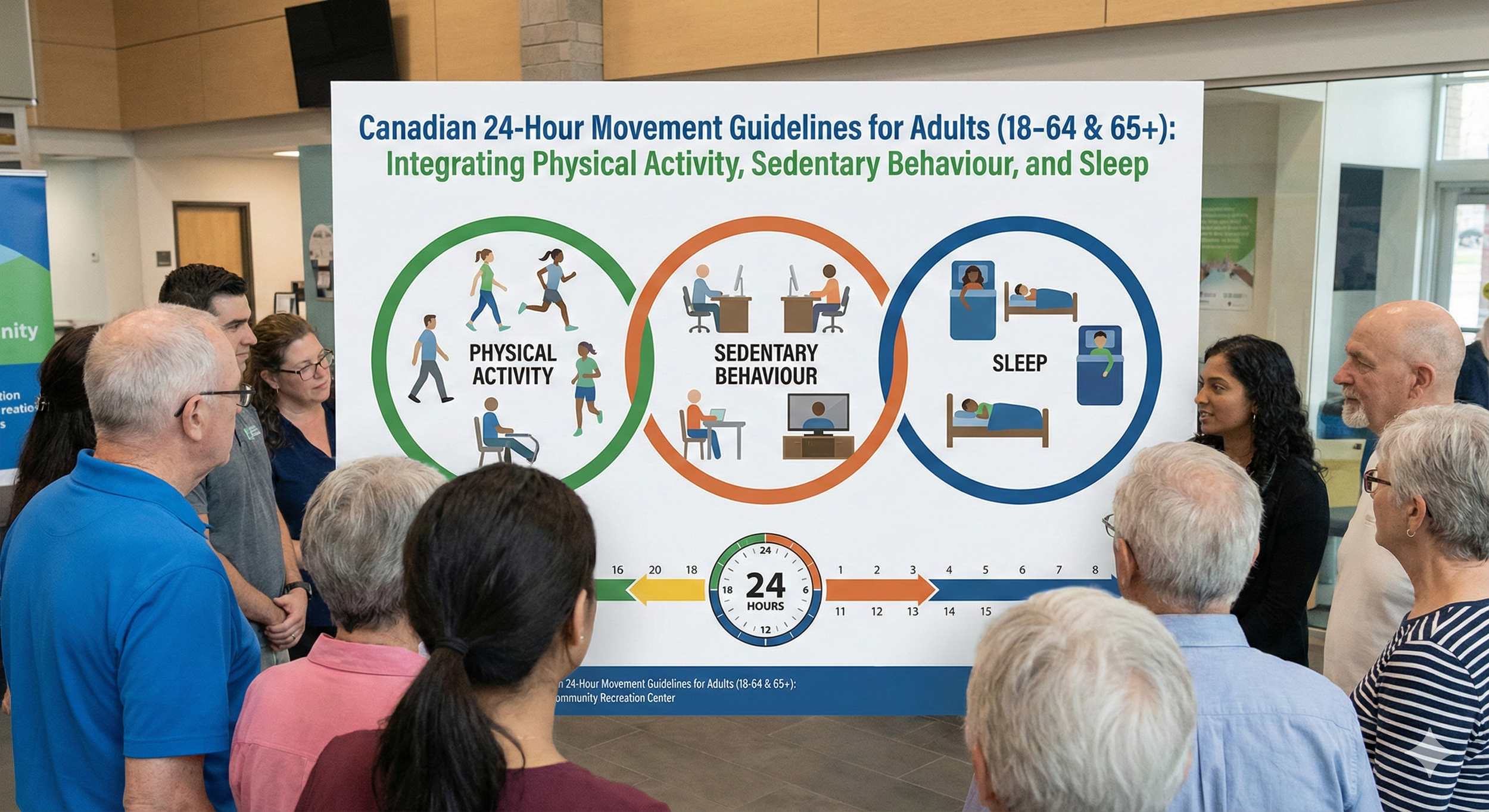
Canadian 24-Hour Movement Guidelines for Adults aged 18-64 years and Adults aged 65 years or older
We’re highlighting a major publication from the Canadian Society for Exercise Physiology (CSEP) — the release Canadian 24-Hour Movement Guidelines for Adults.
AI Reveals Key Predictors of Lifelong Brain Health
A new article from Neuroscience News explores how artificial intelligence is helping scientists better understand the key factors that shape brain health across the lifespan.
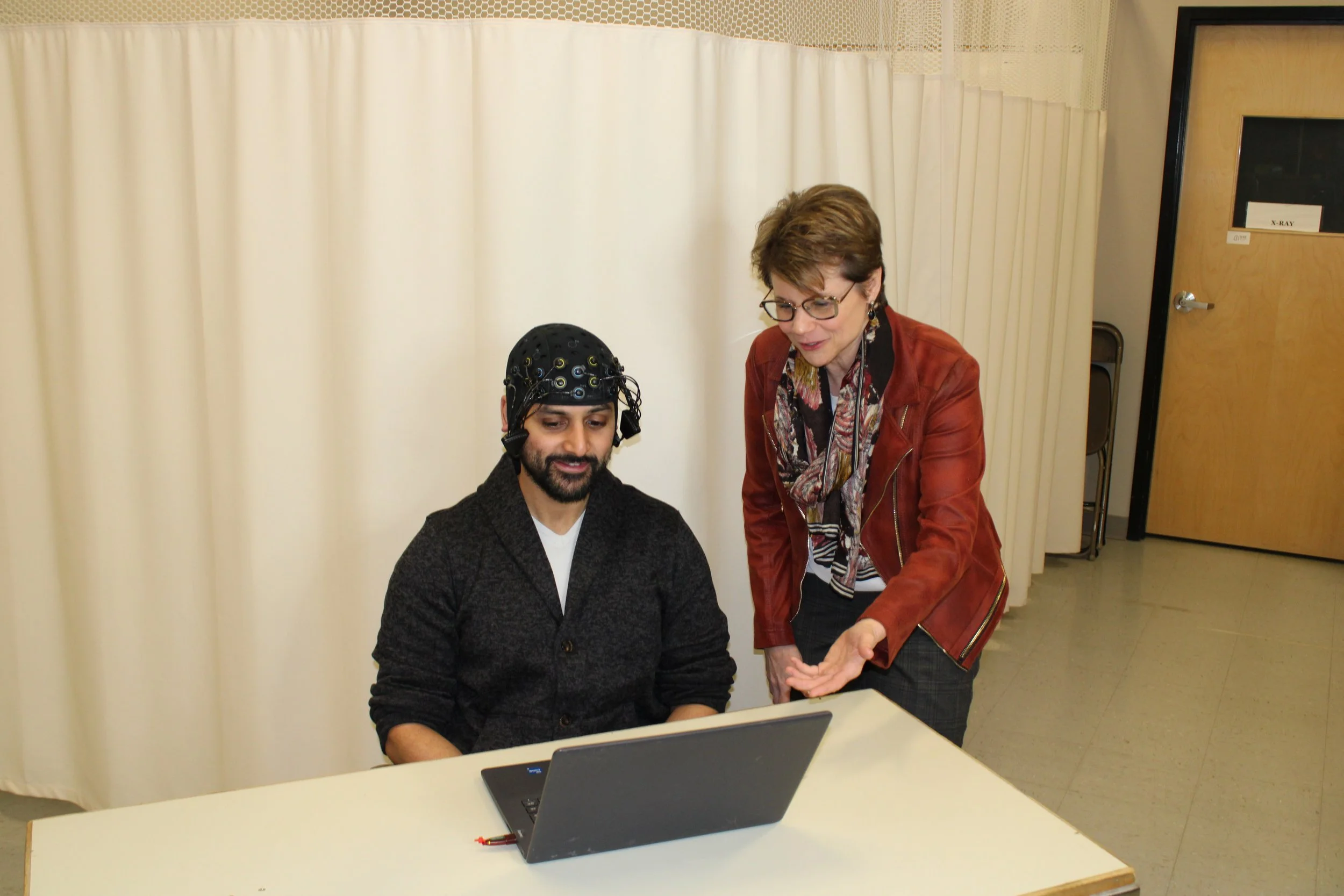
Repeated concussions can alter heart activity and impact the ‘heart-brain’ axis
Dr. Jyotpal Singh (Dr. Joe) collaborated with cardiologist Dr. Payam Dehghani and fellow University of Regina researcher Dr. J. Patrick Neary on a study examining how repeated concussions can affect not just the brain, but also the heart.

Artificial Sweeteners Tied to Faster Cognitive Decline
A new article from Neuroscience News highlights research linking artificial sweeteners, such as aspartame and saccharin, to potential risks for cognitive decline.

Studying at university in later life slows cognitive decline: A long‐term prospective study
A seven-year study from the Tasmanian Healthy Brain Project shows that going back to school isn’t just for kids; it can actually help keep adult brains sharp.

The Effects of Acute Exercise on Mood, Cognition, Neurophysiology, and Neurochemical Pathways: A Review
A comprehensive review published via PMC dives into how a single bout of physical activity, called “acute exercise,” can influence brain health, even before long-term training begins.
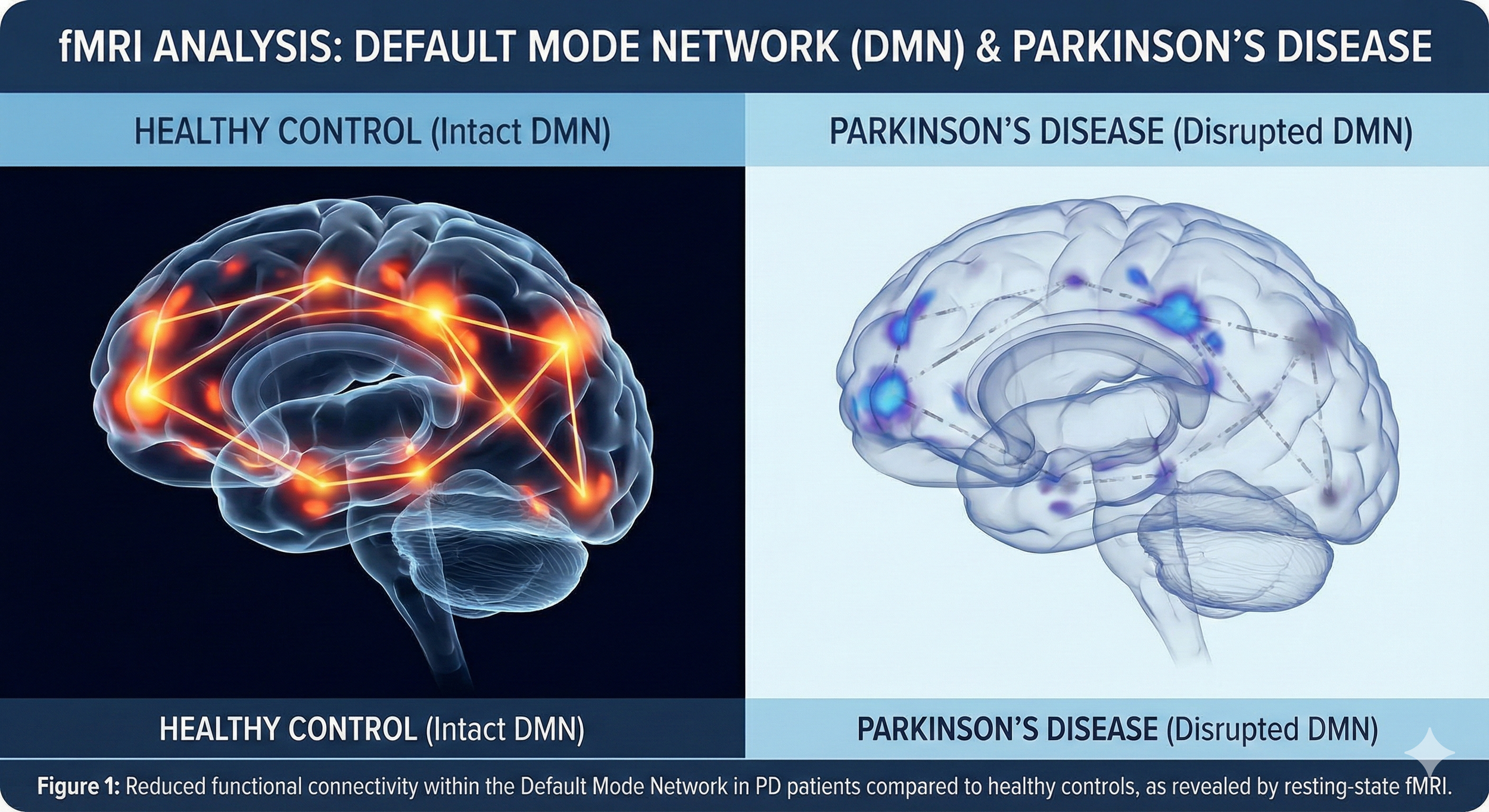
Application of Functional MRI in Parkinson’s Disease and Default Mode Network: Review of the Literature
We're proud to highlight new research coming out of the Brain Health and Wellness Lab ([insert website link]) and authored by Holly Bardutz, along with three of her research assistants—now all proud medical students (congratulations to the team!)—and Dr. Rehman, a neurologist with the Saskatchewan Health Authority.

Cognitive Reserve and the Prevention of Dementia: the Role of Physical and Cognitive Activities
A comprehensive review published in Frontiers in Psychiatry (accessed via PMC) investigates how modifiable lifestyle factors, particularly physical activity and mentally stimulating pursuits, contribute to cognitive reserve—the brain's resilience against age-related decline and dementia.
The Combined Influences of Exercise, Diet, and Sleep on Neuroplasticity
A 2022 peer-reviewed article published in Frontiers in Psychology explores how three foundational lifestyle behaviors—physical activity, nutrition, and sleep—directly influence neuroplasticity, the brain’s ability to adapt, reorganize, and form new neural connections

Alzheimer’s risk rises when the amount of deep sleep falls, study suggests
A new study, highlighted by CTV News, suggests that a decrease in deep sleep may significantly increase the risk of developing Alzheimer’s disease.

Pharmacological and physiological effects of cannabidiol: a dose escalation, placebo washout study protocol
At the Brain Health and Wellness Lab at the University of Regina, our latest research focuses on the impact of cannabinoids on sleep quality.
