Don’t Ignore the Winter Blues, It Could Be Seasonal Depression
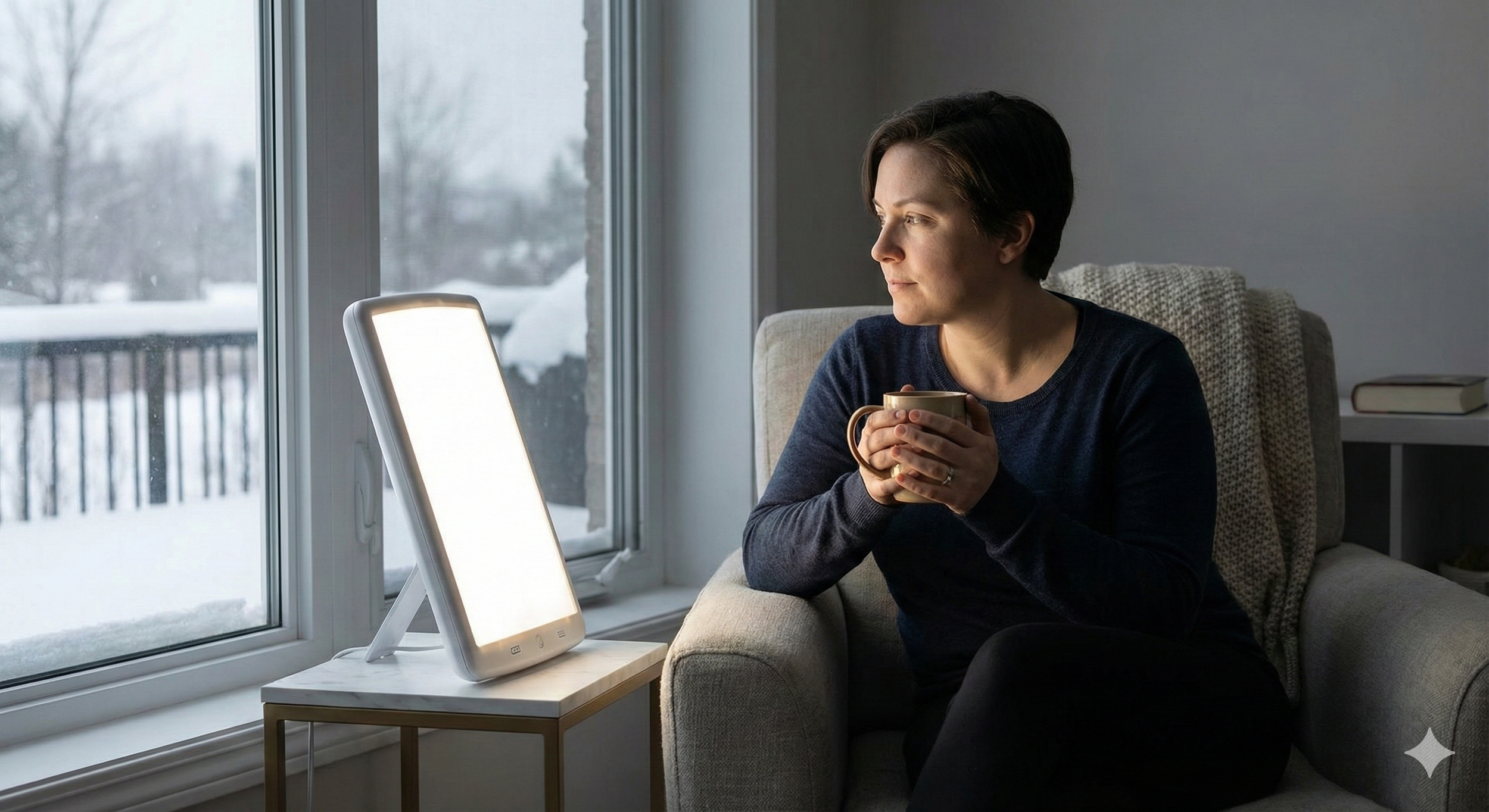
A recent article from Neuroscience News highlights how shorter days and reduced sunlight in fall and winter can trigger serious mood changes, sometimes even a condition called Seasonal Affective Disorder (SAD).
What the research shows:
As daylight fades, lower exposure to natural light can disrupt brain chemicals such as serotonin and melatonin, as well as disturb our circadian rhythm (our internal body clock).
For some, these shifts can cause persistent symptoms: fatigue, low mood, loss of interest in activities, changes in sleep or eating patterns, difficulty concentrating, much more serious than a temporary “winter slump.”
Why it matters for brain & mental health: During winter, when sunlight is limited, many people are vulnerable to mood disturbances, which can affect thinking, memory, motivation, and overall mental well-being. Recognizing these patterns early and treating them appropriately is just as important for brain health as physical exercise or healthy eating.
What we can do to protect ourselves:
Consider light therapy, especially on darker mornings. For many people, it’s among the most effective ways to restore balance.
Stay consistent with healthy habits: regular movement, good sleep, and balanced nutrition help support serotonin production and circadian rhythm stability.
Stay socially connected and monitor mood changes: staying in touch with friends or community, even digitally, can help buffer against seasonal low mood.
This article is an important reminder that seasonal changes don’t just affect the weather; they affect our brain biology. With awareness and simple protective habits, we can reduce the risk of winter-related mood disruptions and keep our minds resilient and healthy through the darker months.