How Functional Exercise Supports Older Adults with Neurological Conditions
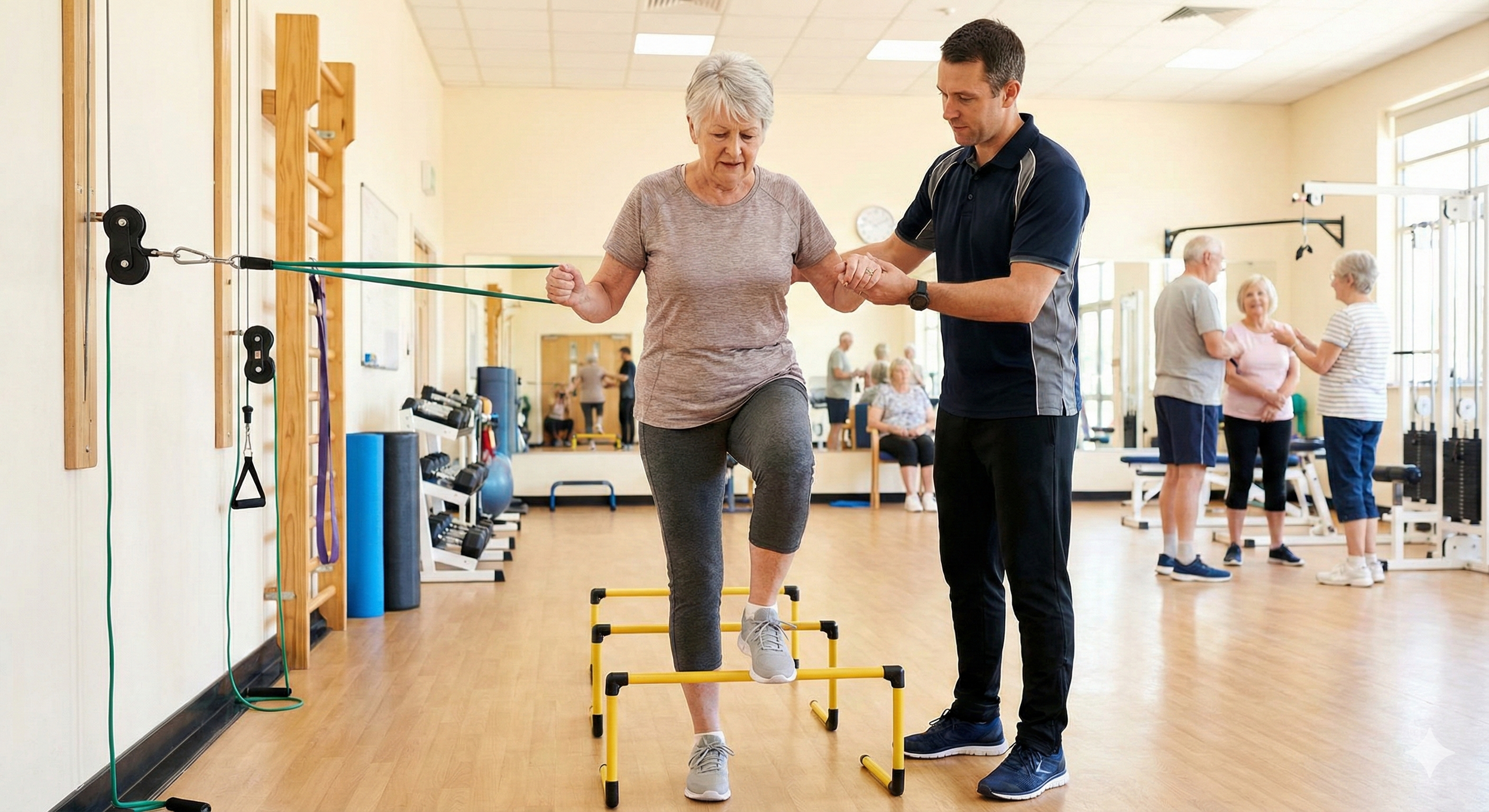
We’re highlighting a new research study co-authored by Holly Bardutz, published in the Journal of Aging and Physical Activity. The study examined how an individualized, community-based exercise program can support older adults living with chronic neurological conditions, such as Parkinson’s disease, multiple sclerosis, or stroke, by improving key aspects of physical and cognitive functioning.
Key Highlights:
What the research shows: Participants engaged in a tailored, one-on-one exercise program designed to meet their specific mobility and health needs. Over the course of the program, older adults showed meaningful improvements in balance, strength, confidence in movement, and overall functional fitness. Many also reported feeling more capable, more motivated, and more connected to their bodies.
Why it matters for brain health: Neurological conditions often impact both physical and cognitive abilities. Safe, personalized exercise helps support brain function by increasing blood flow, improving motor control, and strengthening pathways involved in coordination, attention, and mood regulation. The study reinforces that targeted movement is not just beneficial, it’s essential for maintaining independence and cognitive resilience.
A closer look at the science: Researchers used mixed-methods analysis, combining quantitative fitness measures with interviews and participant feedback. This approach revealed not only physical improvements, but also emotional and psychological benefits, including reduced fear of falling, greater self-efficacy, and improved quality of life. These elements play a crucial role in supporting long-term brain health and overall well-being.
This study is an inspiring example of how individualized exercise programs can empower older adults living with neurological challenges. Holly’s contribution underscores an important message: movement, when adapted to a person’s needs, is one of the most powerful tools we have for supporting both the body and the brain as we age.