The Brain Health Bulletin - September Edition
Welcome to the September edition of Holly’s monthly newsletter!
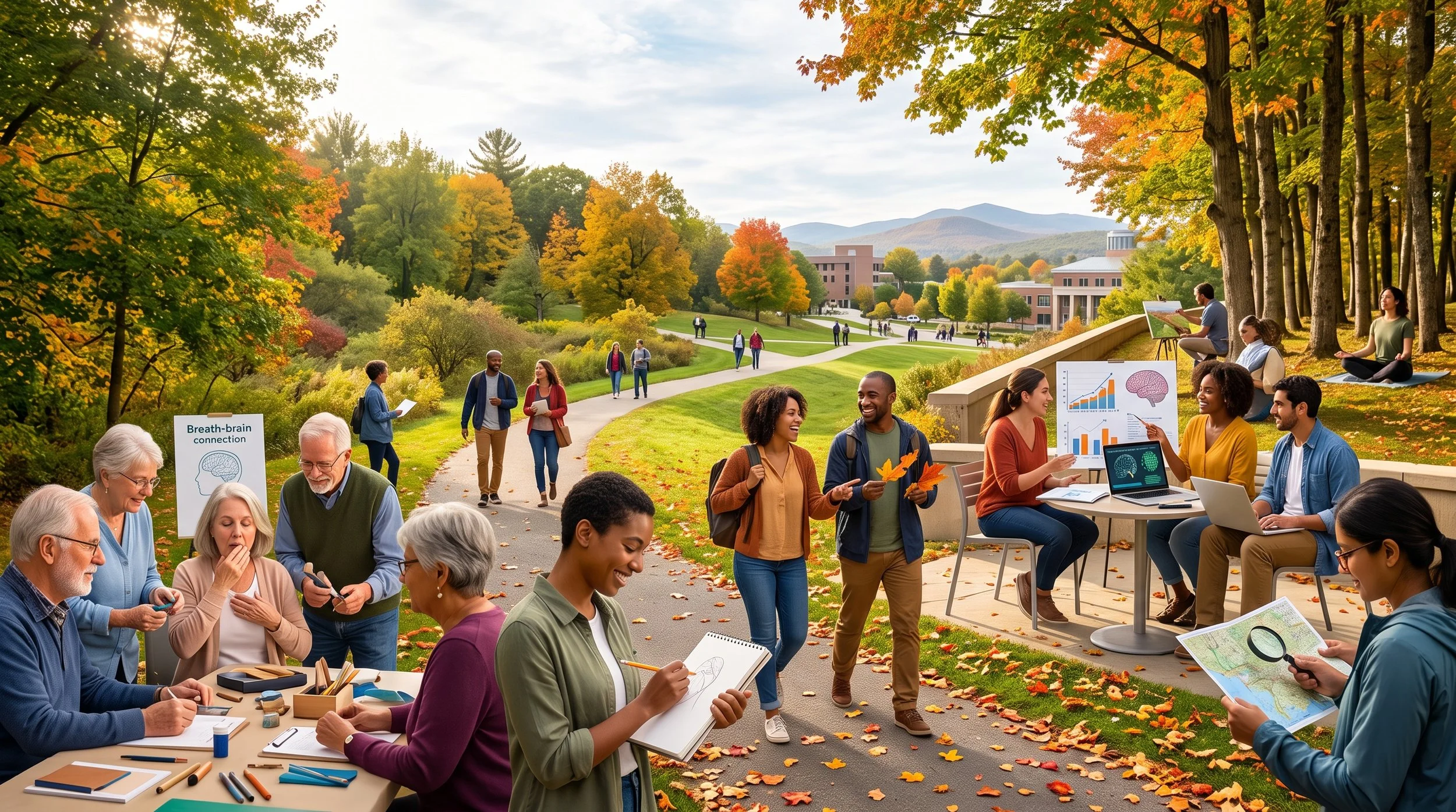
September arrives with a subtle, crisp shift in the air. Even when our formal school days are long behind us, that nostalgic "back-to-school" energy remains deeply wired into our collective psyche. The transition into autumn naturally invites a sense of fresh starts, prompting a quiet desire to sharpen our pencils, open a clean notebook, and begin anew.
This instinct to seek out fresh knowledge is far more than just a seasonal habit—it is a vital catalyst for our brain health.
As highlighted in this month’s featured research from the American Psychological Association and recent scoping reviews on later-life learning, our capacity to adapt, form new neural connections, and build cognitive reserve remains active throughout our entire lives. True learning at this stage of life is liberated from the pressure of grades or exams; it is about the sheer joy of discovery, building real-world skills, and staying connected with others.
Inside this edition, you’ll find:
The Science of Later-Life Learning: Breakthrough insights showing why hands-on, practical skill-building beats "brain games" every time.
Upcoming Fall Events & Workshops: Free and interactive online sessions exploring the breath-brain connection, a modern approach to osteoarthritis pain with Dr. Tasha Stanton, and why September is the ultimate reset for your mind.
Special Program Preview: Early bird access to Sacha Wolfson’s 5-Week Mindfulness & Breathwork course.
Community Impact & Research: Promising new data from the University of Saskatchewan showing how our community members maintain long-term brain-healthy habits years after participating in our programs.
The message this month is both inspiring and grounding: the classroom of life has no graduation date, and our capacity to grow, adapt, and thrive is limitlessly renewable.
Here’s to a season of discovery, active minds, and the joy of continuous growth!
Did You Know?
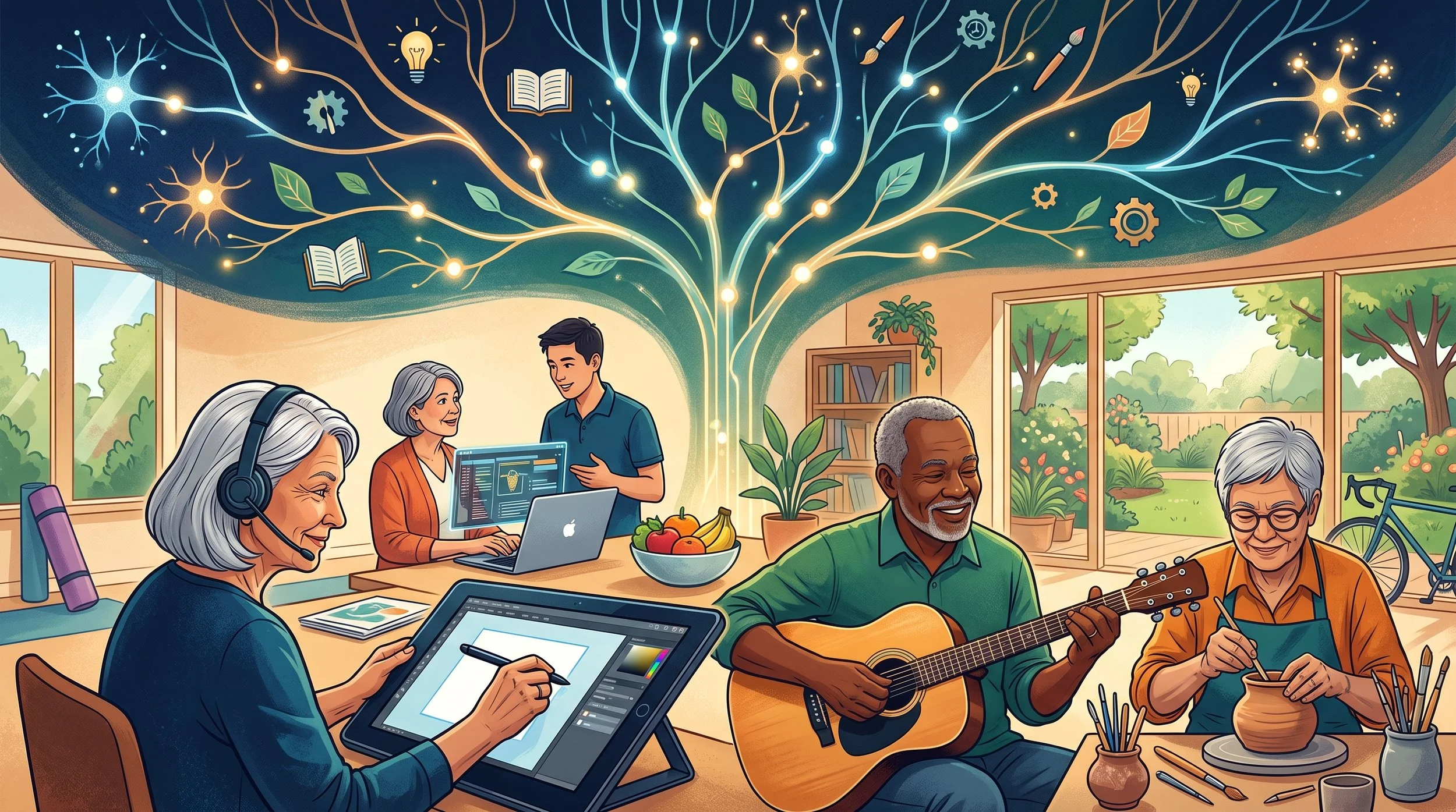
This month’s featured article from the American Psychological Association highlights one of the most encouraging discoveries in brain health research: our ability to learn does not disappear with age. In fact, continuing to learn new skills is one of the most powerful ways to strengthen the brain, maintain independence, and build resilience against cognitive decline.
Rather than viewing learning as something reserved for children and young adults, researchers now recognize lifelong learning as an essential ingredient for healthy aging. Every new challenge encourages the brain to adapt, form new neural connections, and remain flexible well into later life.
Here are a few key insights from the article:
Learning keeps the brain adaptable: When we challenge ourselves to learn something unfamiliar, whether it's a new language, technology, musical instrument, or creative hobby, we stimulate neuroplasticity, the brain's remarkable ability to reorganize and form new neural pathways throughout life. This ongoing adaptation helps preserve memory, attention, and problem-solving skills.
Real-world learning matters more than "brain games": Research suggests that learning meaningful, practical skills provides greater cognitive benefits than repeatedly practicing isolated puzzles or memory exercises. Activities that combine problem-solving, curiosity, and real-life application better prepare the brain to adapt to everyday challenges.
Supportive learning environments boost success: Studies found that older adults who learned several new skills in encouraging, low-pressure settings significantly improved their memory and attention. An important part of that success was having instructors who normalized mistakes and encouraged persistence, reinforcing that learning remains possible at every age.
Positive beliefs about aging strengthen brain health: Our mindset matters. People who believe they are capable of learning as they grow older are more likely to stay engaged, try new experiences, and maintain healthy habits. In contrast, negative stereotypes about aging can discourage learning and reduce confidence, limiting opportunities for cognitive growth.
Learning works best alongside other healthy habits: Researchers emphasize that lifelong learning is even more effective when combined with regular physical activity, nutritious eating, social engagement, and management of cardiovascular health. Together, these lifestyle habits help support executive function, memory, and overall cognitive resilience.
This article reinforces an inspiring message about brain health: it is never too late to learn something new. Every class you take, skill you practice, or curiosity you pursue helps keep your brain active, adaptable, and prepared for the opportunities and challenges that come with healthy aging.
The Science Behind Brain Health:
Later-Life Learning: More Than Education, a Pathway to Healthy Aging
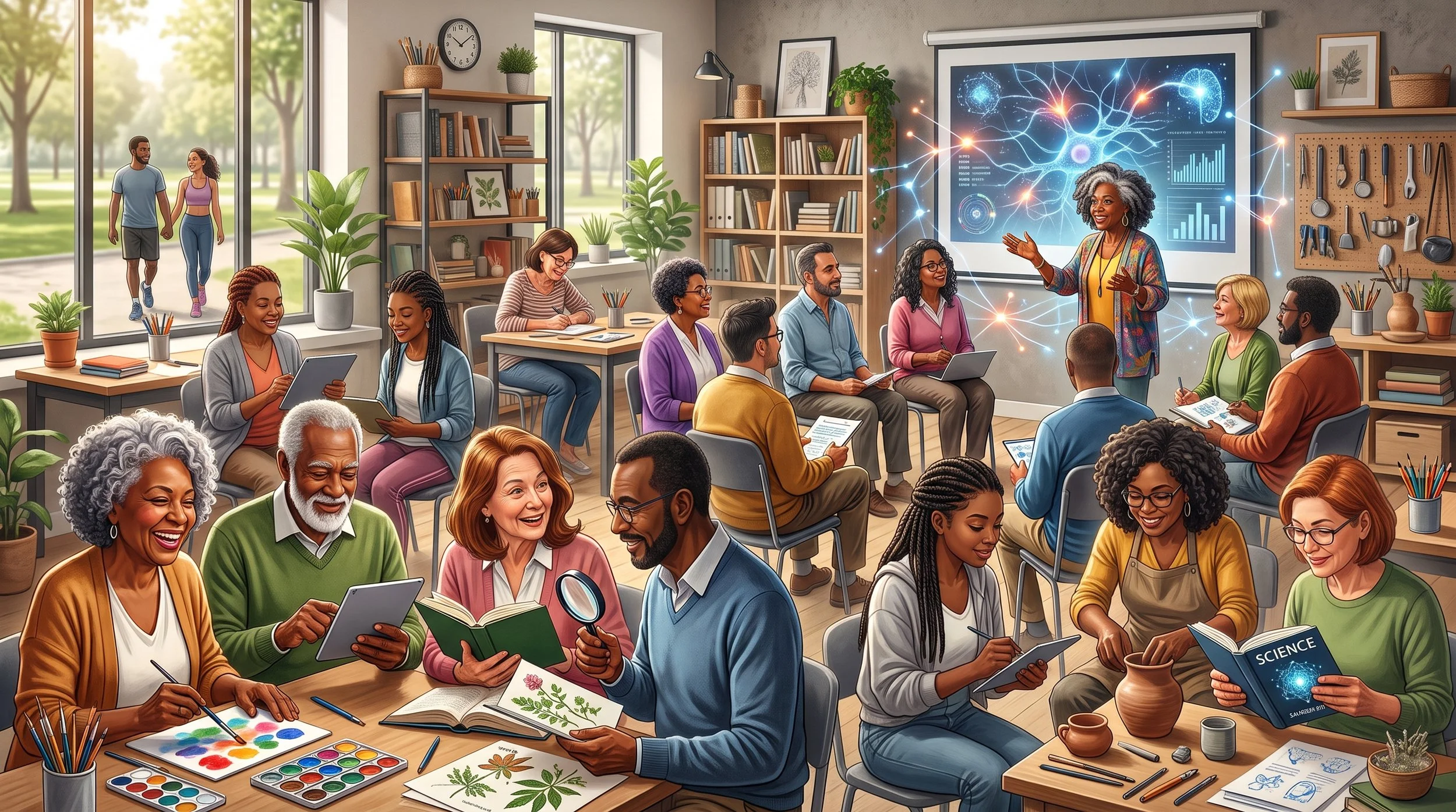
This month, we’re highlighting new research that takes a broad look at one of the most promising strategies for supporting cognitive health as we age: later-life learning. Rather than examining a single educational program, this systematic scoping review explores decades of research to better understand what learning in later life looks like, who participates, and how it contributes to healthy aging.
The review brings together findings from studies around the world, showing that learning is far more than simply acquiring new knowledge. Educational opportunities in later life provide meaningful cognitive stimulation, encourage social engagement, foster a sense of purpose, and support emotional well-being, all of which are closely connected to long-term brain health.
What makes this research especially valuable is that it recognizes learning as a holistic experience. Whether someone is taking a university course, attending a community workshop, learning a new language, or developing a creative skill, the benefits extend well beyond the classroom. Learning becomes a lifestyle that helps maintain cognitive resilience and overall quality of life.
Key Highlights:
What the research shows: By reviewing a wide range of studies on learning and health in older adulthood, researchers found consistent evidence that participating in educational activities is associated with better cognitive function, improved psychological well-being, stronger social connections, and greater life satisfaction. The review also highlights that later-life learning takes many forms, from formal university programs to informal community-based and recreational learning opportunities.
Why it matters for brain health: Healthy cognitive aging depends on more than memory exercises alone. Learning challenges the brain to process new information, solve problems, adapt to unfamiliar situations, and build new neural connections. At the same time, educational settings often promote social interaction and purpose—two factors that are increasingly recognized as protective against cognitive decline.
A closer look at the science: Because this is a systematic scoping review, the researchers synthesized findings from numerous studies rather than conducting a single experiment. Their analysis identified recurring themes across the literature, revealing that the greatest benefits often come from learning environments that combine intellectual challenge with social participation, personal interest, and ongoing engagement. The review also notes that researchers continue to refine how later-life learning is defined and measured, helping strengthen future studies in this growing field.
The long-term impact: The findings reinforce the idea that opportunities to learn should be viewed as an important component of healthy aging—not simply a leisure activity. Expanding access to lifelong learning programs can help older adults remain mentally active, socially connected, and engaged in their communities while supporting cognitive health well into later life.
This research reinforces one of the most encouraging messages in brain health: learning has no age limit. Every new skill, conversation, class, or creative pursuit provides an opportunity to strengthen the brain while enriching overall well-being. By embracing lifelong learning, we invest not only in what we know but in how well our brains continue to grow, adapt, and thrive throughout the aging process.
Event Schedule
We have prepared a list of events for this fall, and we would love for you to be part of it. Please check out the 3 events we have in September:
The Breath-Brain Reset with Sacha Wolfson
Thursday, September 10 · 2:00 p.m. 2:45 p.m. CST
A Free Online Session with Dr. Holly Bardutz & Sacha Wolfson
Time to Think Beyond the Joint? A Contemporary Understanding of Osteoarthritis Pain and Its Management with Dr. Tasha Stanton
Thursday, September 17 · 7:00 p.m. 8:00 p.m. CST
Dr. Tasha Stanton will explore why it is time to rethink traditional assumptions about joint health and move toward a modern, biopsychosocial perspective.
Back to School for Your Brain: Why September Isn’t Just for Kids with Holly Bardutz
Tuesday, September 22 · 10:30 a.m. 11:30 a.m. CST
Dr. Holly Bardutz will explore why lifelong learning is one of the most effective and accessible ways to support long-term brain health.
Do not forget to check out the program with Sacha Wolfson and to use the early access discount code:
5-Week Mindfulness & Breathwork for a Calm, Clear Mind Program with Sacha Wolfson
Early Bird Access
This 5-week course introduces practical mindfulness, gentle breathing techniques, and simple habits designed to calm the nervous system, quiet a busy mind, and support brain health.
Each Thursday session combines a few minutes of accessible brain science from Dr. Holly Bardutz with guided meditation, breathing techniques, and deep rest led by Sacha Wolfson. Participants will also engage in brief small-group conversations to share insights and deepen their practice. Designed to fit easily into real life, these gentle, seated practices will help you release stress, cultivate gratitude, respond to challenges with self-kindness, and bring greater presence to your connections with others.
The program is suitable for beginners and anyone looking to build a sustainable, daily practice. Each session stands on its own, and recordings are provided if you miss a week.
Note for Returning Participants: If you joined us for Sacha’s previous series, please note that this updated program features a new schedule, a 5-session structure, longer sessions, and refreshed content
How the Program Works:
Join the full program (5 weeks). Secure your spot now.
Full Program Cost: $99.99 CAD for all five sessions.
Early Bird Special: Use code EARLYREGISTRATION20OFF at checkout to receive 20% off your registration. (Offer valid until September 25th).
Recent Research & Recognition:
Your Brain Is Listening: What Happens When We Put Brain Health into Practice?
We often talk about the lifestyle habits that support brain health: staying physically active, challenging our minds, eating well, managing stress, sleeping well, and maintaining social connections.
But an important question remains: Do people keep applying what they learn long after a brain health program ends?
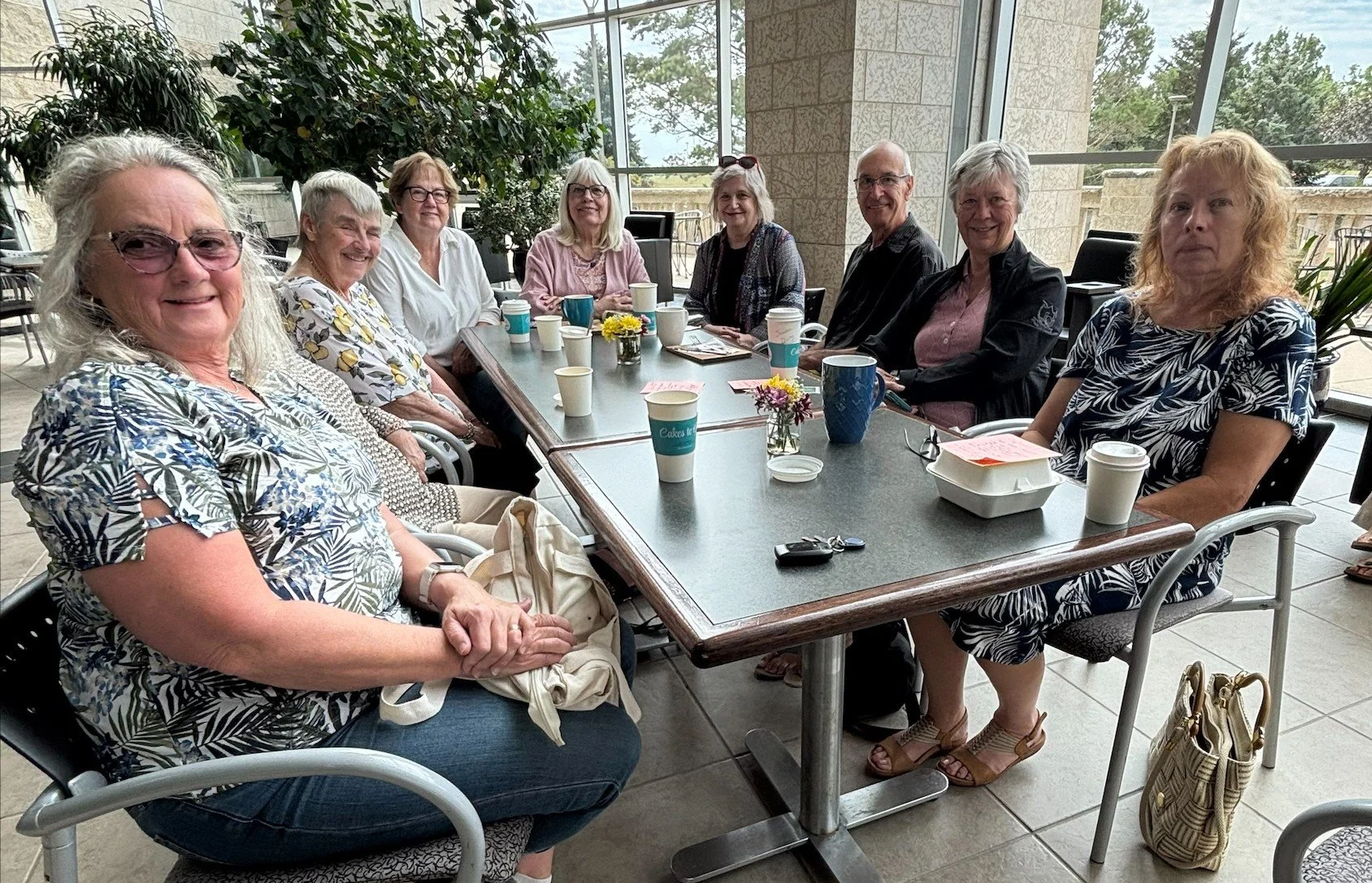
This summer, YiChen (Tony) Li, a Research Assistant in the Brain Health and Wellness Lab and Master of Public Health candidate at the University of Saskatchewan, conducted a process and outcome evaluation of our community-based Brain Health program for older adults as part of his practicum placement.
His project explored whether participants maintained the knowledge and healthy habits they learned through the program after returning to their everyday lives.
What We Found:
The results were encouraging.
Among participants surveyed:
100% learned new information about brain health
100% felt more confident making brain-health decisions
100% would recommend the program to others
Participants also reported meaningful lifestyle changes:
94% increased cognitive stimulation activities
89% adopted healthier eating habits that support brain health
83% maintained healthy habits learned through the program
72% experienced less worry about their memory
67% maintained social connections
Importantly, participants reported no significant barriers related to cost, transportation, scheduling, or health that prevented them from attending.
Notably, at least one year had passed since participants completed the program, with some having attended several years earlier. Despite this passage of time, many participants reported continuing to practice the healthy lifestyle habits they learned during the course.
From a public health perspective, these findings suggest that the program may contribute to meaningful, long-term behaviour change.
Beyond the Numbers
While the statistics were promising, participant feedback provided additional insight into the program's impact.
One participant summarized their experience with a simple statement: "You make your brain and your brain makes you."
This reflects an important principle of brain health: while we cannot control every aspect of aging, there are many lifestyle factors we can influence. Knowledge is valuable, but lasting change occurs when knowledge is translated into action.
Supporting the Next Generation of Researchers
Tony's project also highlights the importance of providing students with opportunities to engage in meaningful, community-based research.
Throughout the summer, he gained hands-on experience in program evaluation, data collection, analysis, interpretation, and knowledge translation. His work culminated in the development of a research poster summarizing the findings and their implications for brain health promotion.
We are proud of Tony's contribution and grateful to the Brain Health community members who participated in this evaluation.
Together, research and community education help us better understand how evidence-based brain health programs can support confidence, connection, and healthy aging.
A healthier brain is not just a research outcome. It is something we build through the choices we make every day.
Thank you to Tony and to all participants who contributed to this project.
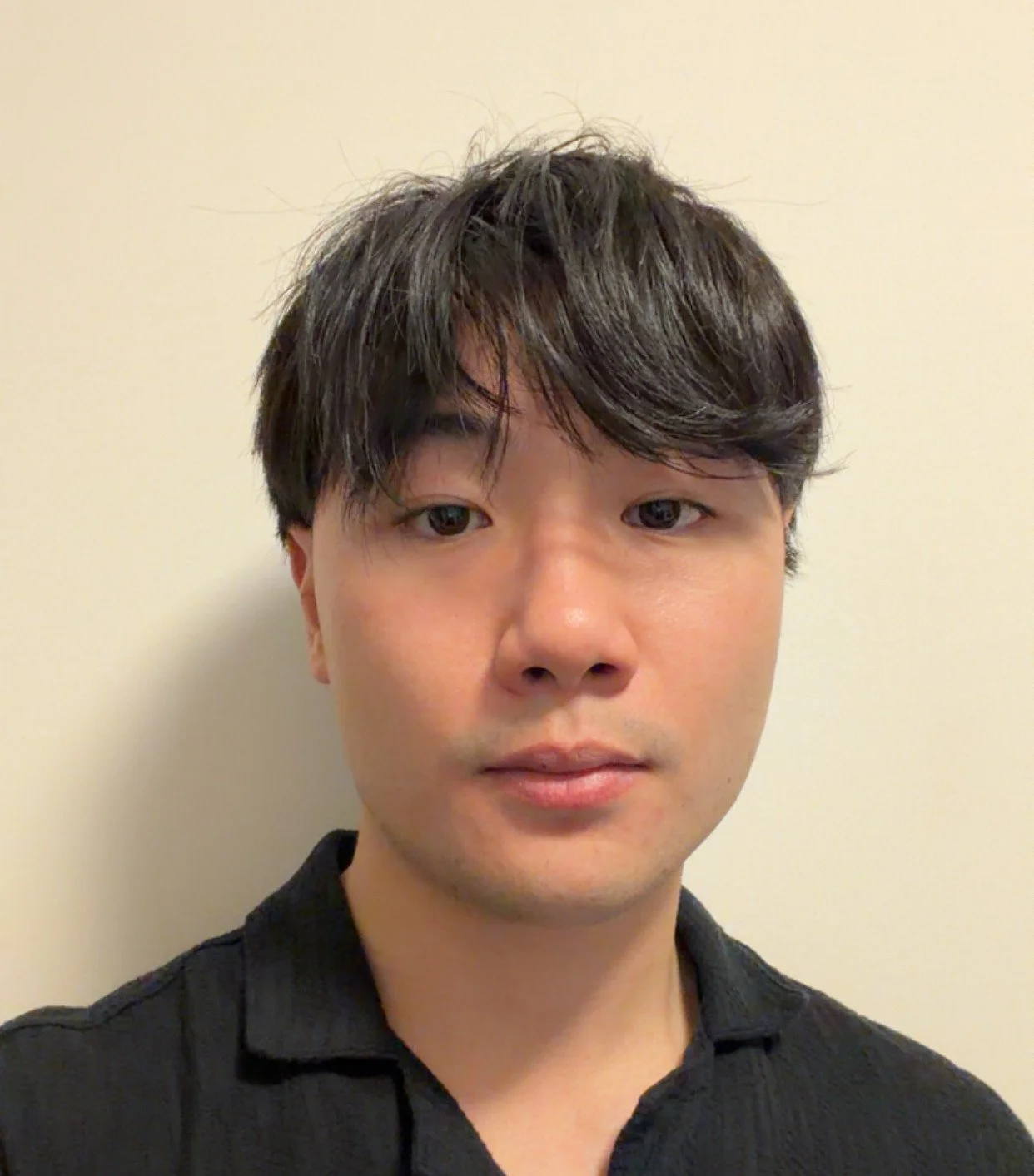
Tony Li
Tony graduated from the University of Saskatchewan in May 2024 with a Bachelor of Biomedical Sciences, majoring in Physiology and Pharmacology. He is currently a Master of Public Health student at the University of Saskatchewan. He works as a Research Assistant under Holly’s supervision at the Brain Health and Wellness Lab at the University of Regina.
From Holly and all of us at Community & Company, we hope you’ve enjoyed this month's edition of The Brain Science Bulletin!
If you know someone who would find this newsletter helpful, feel free to share it with them. They can also join our mailing list by signing up at the bottom of our website’s Contact Page.
Thank you for being part of our community. We appreciate you! See you in the next edition.
Warm regards,
Holly Bardutz and the Community & Company Team
“You make your brain, then your brain makes you!”
Disclaimer: The information provided here is for educational purposes only and is not intended as medical advice. Always consult a qualified healthcare professional for medical concerns or treatment.