The Brain Health Bulletin - August Edition

Welcome to the August edition of Holly’s monthly newsletter!
August arrives with a heavy, golden stillness. The initial excitement of early summer yields to the peak heat of the year, bringing a natural slowing of the world around us. Yet, as temperatures rise, many of us notice a subtle shift in how we feel, a mid-summer sluggishness, mental fatigue, or difficulty concentrating under the midday sun.
This heavy feeling is far more than just a physical reaction to the thermostat; it is a direct signal from our brains.
In this month’s edition, we explore the powerful, often-overlooked connection between our environment and our neurological well-being. From how heat and mild dehydration place extra demands on cognitive function to new research on how repeated concussions disrupt the vital "heart-brain" axis, we are taking a closer look at the biological systems that keep us sharp, resilient, and thriving.
We also have a busy month ahead! Inside, you’ll find details on Holly’s upcoming talk at the Saskatchewan Science Centre on keeping your brain healthy as you age, as well as an exciting new session on demystifying blood pressure led by Dr. Joe Singh. The message this month is simple: protecting your brain isn't just about mental exercise; it’s about respecting your body’s signals, staying hydrated, and nurturing the science of smart recovery.
Inside, you’ll find practical strategies, research highlights, and simple habits to help you beat the heat and support your cognitive health all season long.
Here’s to staying cool, protecting your brain, and moving through the rest of the summer with vitality and clarity!
Science Connections
Hi all, come out and support Holly at the upcoming Science Connections session! She will be hosting a talk titled "Is Your Brain Aging Well? What Science Says About Keeping It Healthy" on Wednesday, August 19th at 10:30 am at the Saskatchewan Science Centre.
It's a great opportunity to learn practical strategies for brain health, ask questions, and enjoy some complimentary coffee. You can find all the details and registration info here.
Did You Know?
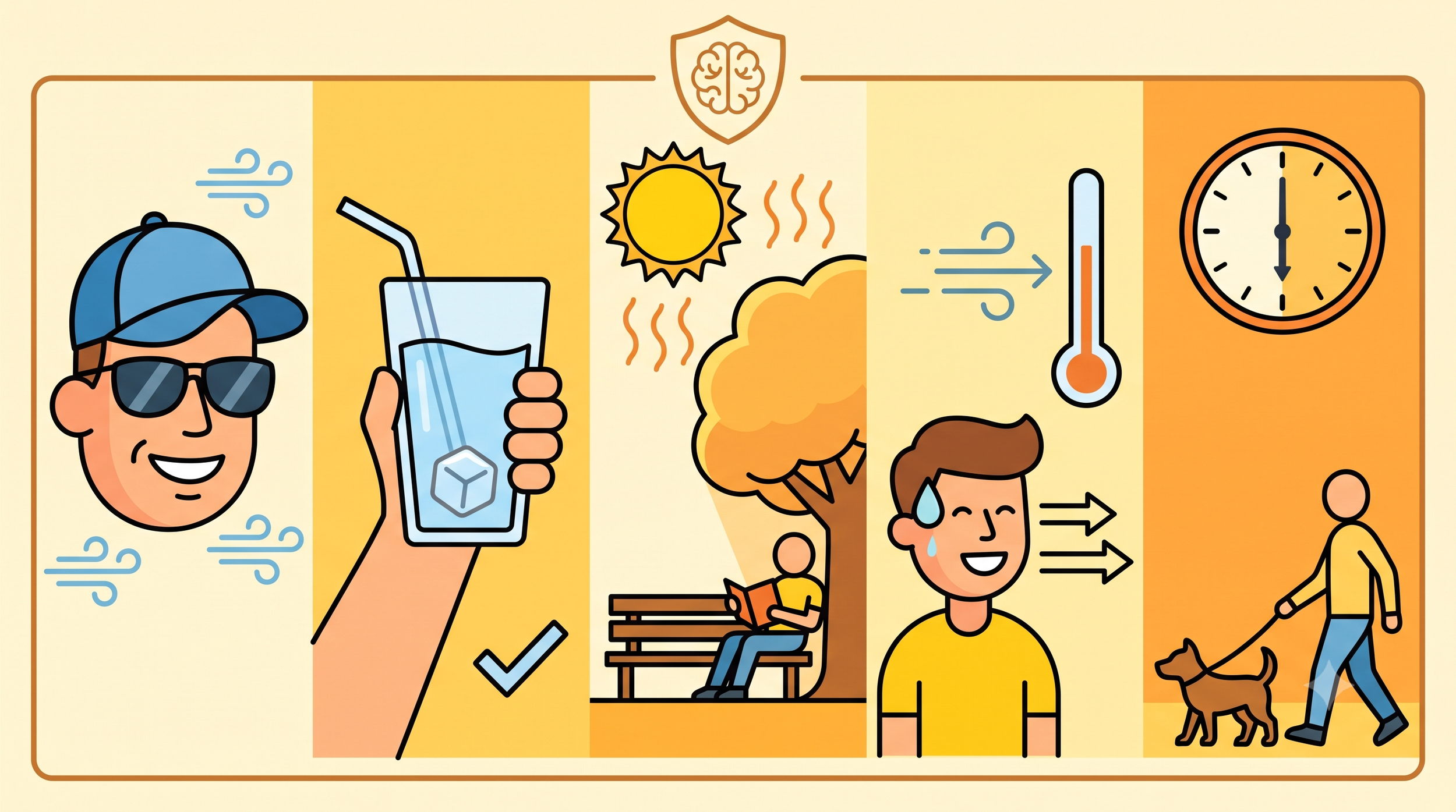
This month’s featured article from Allina Health highlights an often-overlooked aspect of brain health: the powerful impact that summer heat can have on cognitive function and neurological well-being. While many people associate hot weather with dehydration or fatigue, extreme heat can also interfere with the brain’s ability to regulate temperature, process information, and maintain optimal performance.
As temperatures rise, protecting your brain becomes just as important as protecting the rest of your body.
Here are a few key insights from the article:
Heat places extra demands on the brain: The brain is highly sensitive to changes in body temperature. When we become overheated, the body redirects energy toward cooling itself, leaving fewer resources available for concentration, memory, and decision-making. This is one reason mental fatigue often increases during periods of extreme heat.
Dehydration affects cognitive performance: Even mild dehydration can reduce attention, slow reaction time, and impair short-term memory. Because the brain is composed of approximately 75% water, maintaining adequate hydration is essential for keeping neurons communicating efficiently and supporting overall cognitive function.
Some individuals are more vulnerable: Older adults and people living with neurological conditions, such as dementia, Parkinson’s disease, or multiple sclerosis, may have greater difficulty regulating body temperature or recognizing the early signs of heat-related illness. Certain medications can also increase sensitivity to heat, making extra precautions especially important during the summer months.
Recognizing early warning signs can prevent serious illness: Symptoms such as dizziness, confusion, headache, nausea, unusual fatigue, or difficulty concentrating may signal that the brain and body are struggling with heat stress. Taking action early by moving to a cooler environment, resting, and rehydrating can help prevent heat exhaustion or heat stroke.
Simple habits go a long way in protecting brain health: Staying well hydrated throughout the day, avoiding prolonged outdoor activity during peak afternoon temperatures, wearing lightweight clothing, seeking shade or air-conditioned spaces, and checking in on older family members or neighbors are practical strategies that support both brain function and overall health during the hottest months.
This article serves as an important reminder that brain health is influenced not only by long-term lifestyle habits but also by our everyday environment. By respecting our body's limits, staying hydrated, and pacing ourselves during periods of intense heat, we can protect our cognitive health, maintain our energy, and continue functioning at our best all summer long.
The Science Behind Brain Health:
Hydration, Heat, and the Brain’s Ability to Function
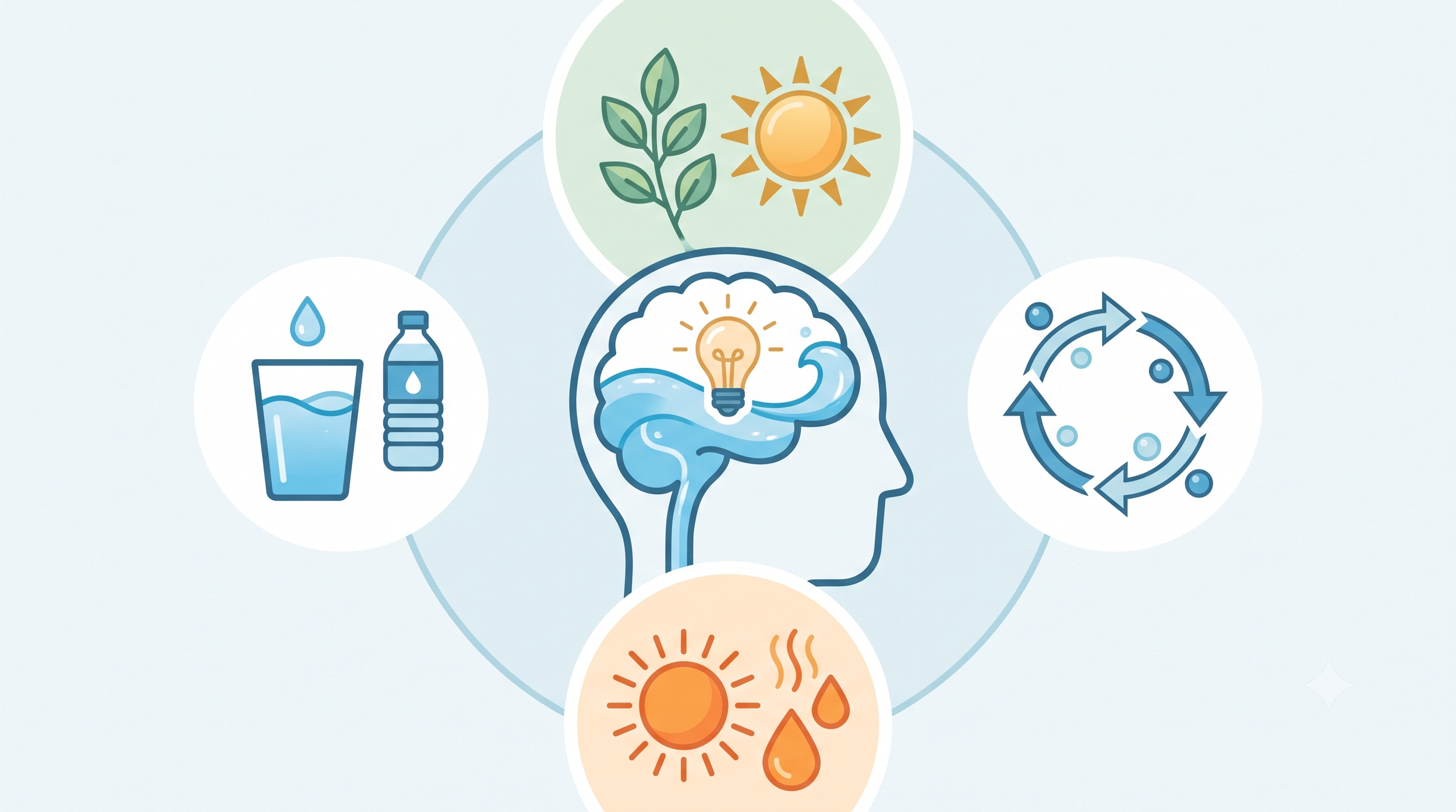
This month, we're highlighting the science behind one of the most important and often overlooked aspects of summer wellness: how heat and hydration directly affect brain function. While most people recognize that drinking enough water helps prevent dehydration, fewer realize that even small changes in hydration status can significantly impact how the brain thinks, remembers, and responds to its environment.
The article explores the close relationship between body temperature, hydration, and cognitive performance, emphasizing that protecting your brain during the summer months is about much more than staying comfortable; it's about preserving optimal neurological function.
Key Highlights:
What the research shows: The brain is approximately 75% water, making adequate hydration essential for efficient communication between neurons. Even mild dehydration, as little as a 1–2% loss of body water, has been shown to impair attention, concentration, memory, processing speed, and executive function. At the same time, excessive heat increases the brain's metabolic demands, requiring the body to work harder to maintain a stable internal temperature.
Why it matters for brain health: When dehydration and heat occur together, the brain must divert energy toward regulating body temperature rather than supporting higher-level cognitive processes. This shift can lead to mental fatigue, slower reaction times, difficulty concentrating, and reduced decision-making ability. For older adults, these effects can be even more pronounced because aging naturally reduces the body's ability to regulate temperature and conserve water.
A closer look at the science: The brain relies on a constant balance of fluids and electrolytes to transmit electrical signals between nerve cells. Dehydration disrupts this balance, reducing blood flow and oxygen delivery to brain tissue while making neural communication less efficient. Elevated body temperatures further increase physiological stress, activating systems designed to protect the body but temporarily limiting cognitive performance until hydration and normal body temperature are restored.
The long-term impact: Although the cognitive effects of mild dehydration are often reversible, repeated episodes of heat stress and inadequate hydration can place unnecessary strain on both the brain and cardiovascular system over time. Developing consistent hydration habits, recognizing early signs of heat-related illness, and avoiding prolonged exposure to extreme temperatures are simple preventive strategies that help support lifelong brain health.
This research reinforces an important message for the summer season: protecting your brain isn't only about challenging it with learning and mental exercise; it's also about caring for the biological systems that allow it to perform at its best. By staying hydrated, respecting the effects of heat, and listening to your body's signals, you create the conditions your brain needs to remain focused, resilient, and healthy throughout the warmest months of the year.
Announcing our first event for the back half of the year!
Know Your Numbers: The Story Behind Blood Pressure
In this engaging and practical presentation, Dr. Jyotpal (Joe) Singh will demystify the science behind your readings, strip away the medical jargon, and share actionable insights you can use immediately.
Date: Tuesday, August 25
Time: 10:30–11:30 a.m. (Regina time)
Cost: $30
More Exciting Events Coming Soon!
We’ve been working hard behind the scenes to curate an incredible lineup of events for the second half of this year! This is just the beginning; we have so many inspiring, educational, and engaging sessions coming your way soon.
Make sure to stay tuned and keep a close eye on your inbox! You won't want to miss what we have in store for our community as we release details for our upcoming events in the coming weeks.
Recent Research & Recognition:
How Repeated Concussions Impact the 'Heart-Brain' Axis
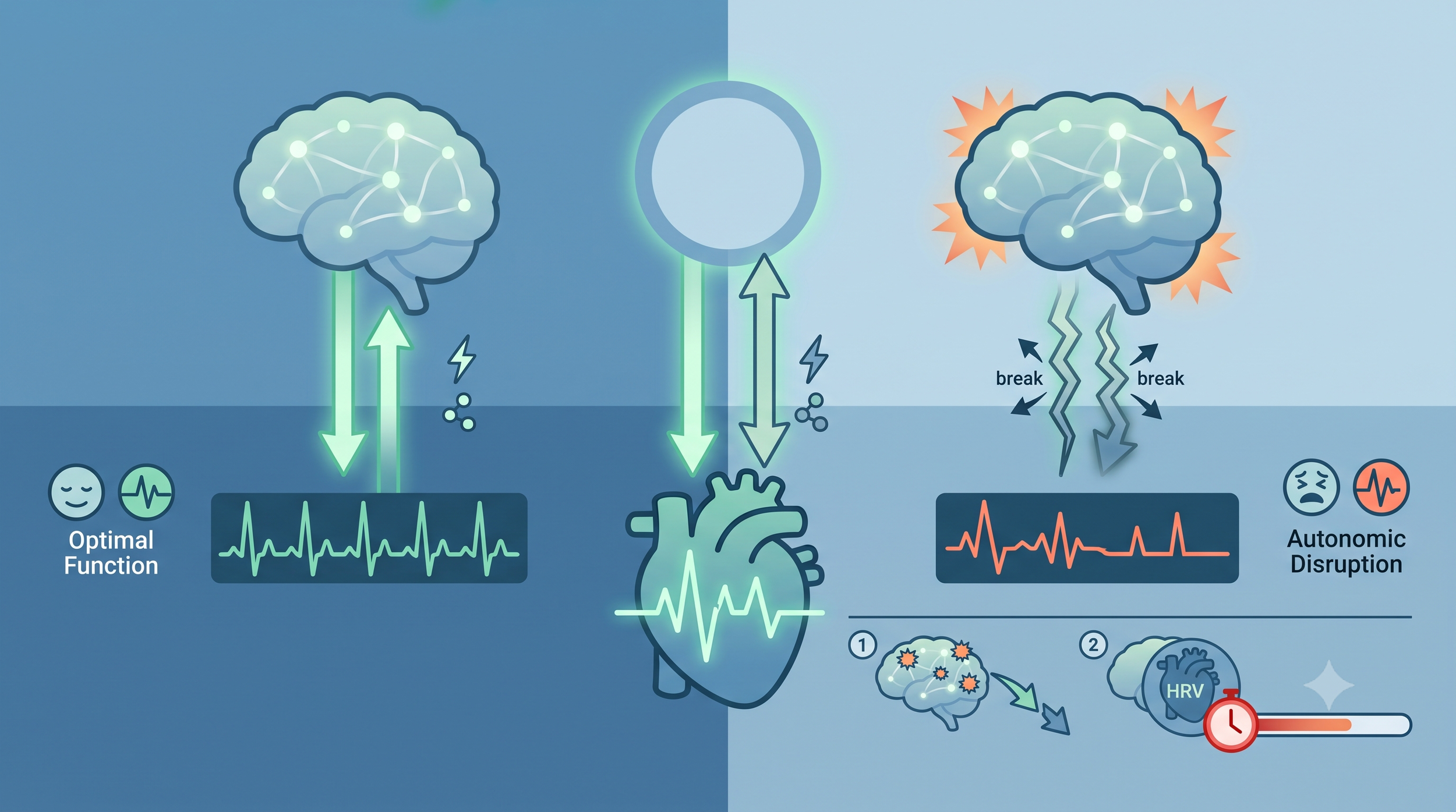
This month, we are highlighting new research shared by Dr. Holly Bardutz on how repeated concussions alter heart activity. Emerging science reveals a profound truth: a concussion is not just a localized head injury; it directly disrupts the heart-brain axis, the vital communication pathway between our central nervous system and cardiac function.
This impactful research project was conducted by our very own Dr. Jyotpal (Joe) Singh and Dr. Patrick Neary, both of whom have presented to our community previously. Also involved in this research was Dr. Dehghani, who is a well-known cardiologist and researcher in cardiac research.
In this study, we see that as the brain experiences repeated impacts, the autonomic nervous system, which controls involuntary functions like heart rate, can remain dysregulated long after physical symptoms vanish. Key insights include:
Altered Heart Rate Variability (HRV): Repeated concussions reduce HRV, signaling that the heart is struggling to adapt to stress and recovery.
Autonomic Disruption: Subtle impacts can trap the body in a prolonged "fight-or-flight" state, straining both cardiovascular health and brain recovery.
The Silent Recovery Lag: Even when cognitive symptoms resolve, cardiac metrics reveal that the heart-brain axis often needs much more time to fully heal.
The Takeaway: Integrating simple cardiac tracking into post-concussion care provides a far more accurate timeline for recovery, preventing individuals from returning to high-risk activities too soon.
Proactive Care & Smarter Recovery
This research reinforces our core mission: shifting from simple symptom management to proactive, multi-system screening. By tracking autonomic balance early, clinicians can better protect individuals from the compounding risks of repeated impacts over a lifetime.
Special Note: Be sure to join us later this month for an upcoming presentation on blood pressure given by Dr. Joe Singh!
From Holly and all of us at Community & Company, we hope you’ve enjoyed this month's edition of The Brain Science Bulletin!
If you know someone who would find this newsletter helpful, feel free to share it with them. They can also join our mailing list by signing up at the bottom of our website’s Contact Page.
Thank you for being part of our community. We appreciate you! See you in the next edition.
Warm regards,
Holly Bardutz and the Community & Company Team
“You make your brain, then your brain makes you!”
Disclaimer: The information provided here is for educational purposes only and is not intended as medical advice. Always consult a qualified healthcare professional for medical concerns or treatment.