The Brain Health Bulletin - July Edition
Welcome to the July edition of Holly’s monthly newsletter!
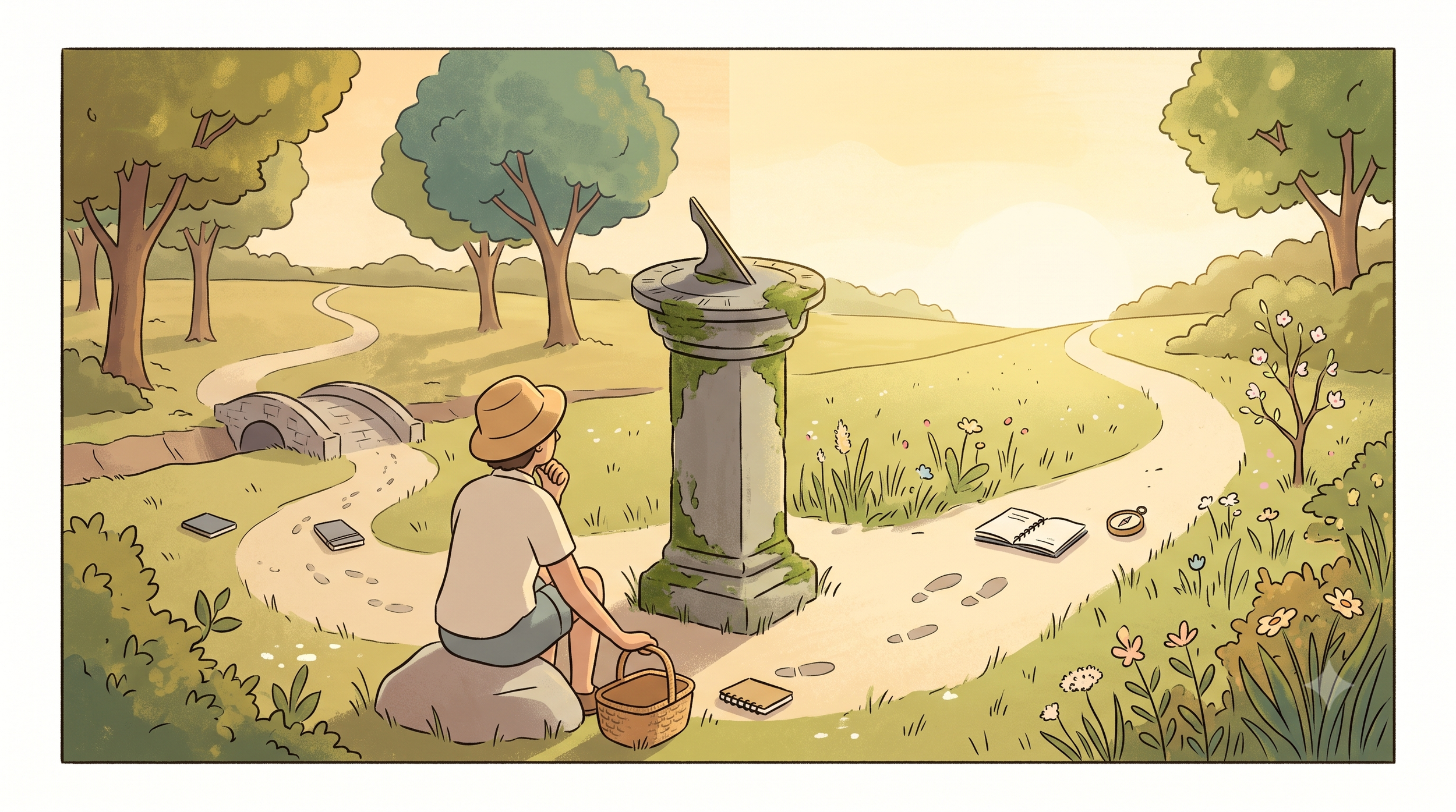
July invites us into a season of pause and reflection. Standing exactly at the midpoint of the year, the long, sun-drenched days of summer offer a unique vantage point, a natural clearing where we can look back at where the year began and look forward to where we want to go.
This instinct to take stock is more than just a calendar habit; it is a powerful cognitive tool.
Psychologists often refer to moments like the start of a new month, season, or half-year as "temporal landmarks." These milestones act as mental reset buttons, allowing our brains to create a distinct boundary between the past and the future. By pausing to evaluate our progress now, we disrupt habitual routines, lower our cognitive load, and give our minds the space needed to re-align our daily actions with our deeper intentions.
Far from being a rigid audit of what we haven't done, a mid-year check-in is an act of mental calibration. It allows us to celebrate our quiet wins, course-correct without judgment, and intentionally choose what we want to carry into the next six months.
In this month’s edition, we explore the science and strategy behind the mid-year reset. We dive into how to conduct a low-pressure personal review, the psychological benefits of setting "micro-goals," and practical ways to declutter our digital and mental spaces for a clearer focus.
The message this month is both grounding and empowering: the year is only half over, and small, intentional shifts today can completely reshape the months ahead.
Inside, you’ll find insights, prompts, and strategies to help you pause, reflect, and refocus with clarity.
Here’s to a mindful reset, renewed focus, and a purposeful path forward this season.
Did You Know?
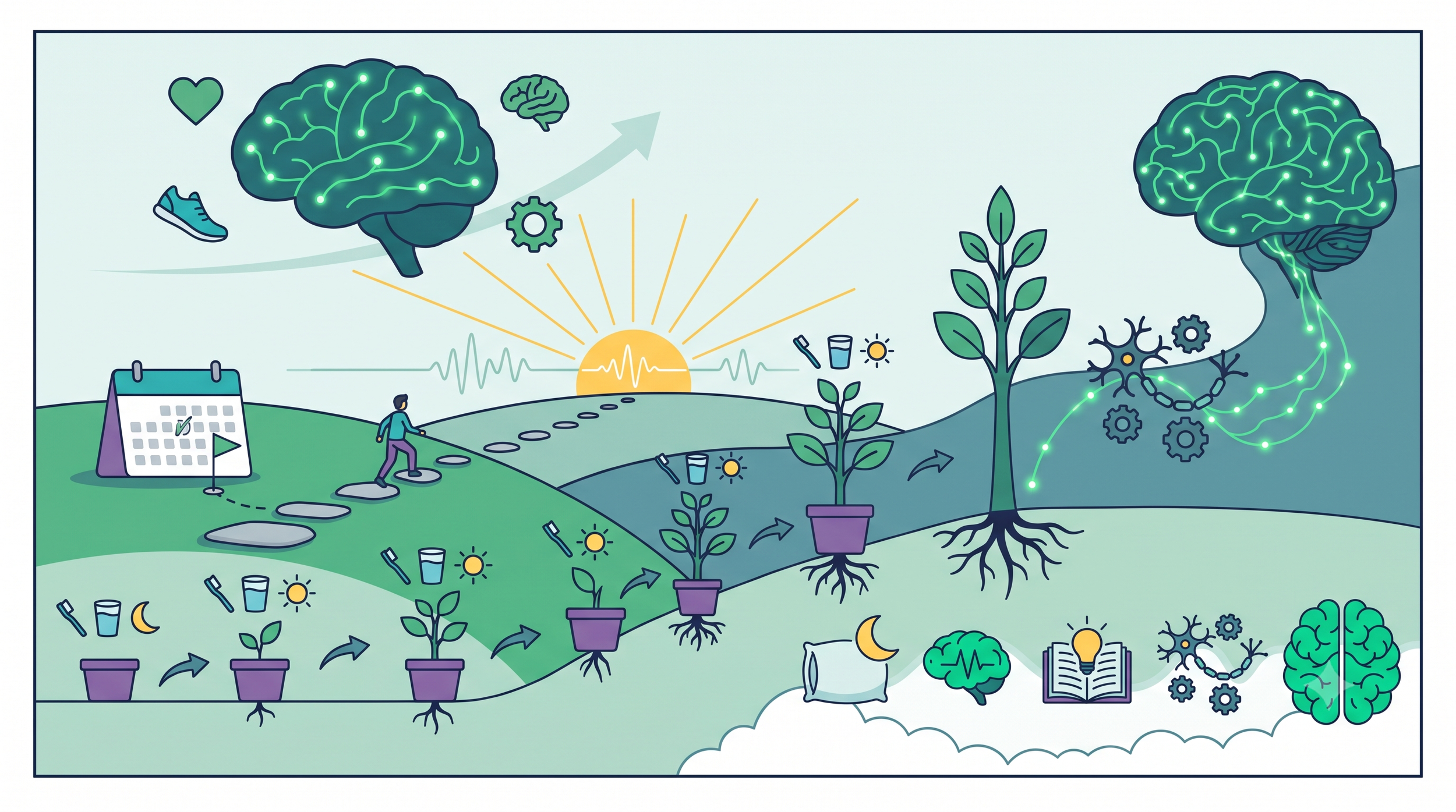
This month’s featured article from The Women’s Alzheimer’s Movement explores an important and fascinating aspect of brain health: the neurobiology of goal setting and how making healthy resolutions actually changes the physical structure of your brain.
Far from being a simple test of willpower, setting and working toward goals is an active biological process. When we commit to positive behavioral changes, our brains strengthen new neural networks, improve cognitive flexibility, and build resilience against cognitive decline.
Here are a few key insights from the article:
Goal setting physically shapes the brain: When we define a goal, we activate the prefrontal cortex, the region responsible for planning and long-term decision-making. Progress toward that goal triggers dopamine, a neurotransmitter that drives motivation and learning, helping to wire in healthy new habits over time.
The "fresh start effect" resets your mindset: Temporal landmarks like a new year, a new month, or a personal milestone naturally prompt the brain to psychologically separate our past self from our current self. This dampens negative self-talk, lowers stress, and re-engages the executive networks needed to support planning and change.
Consistency beats intensity every time: The greatest barrier to success is cognitive overload from setting goals that are too ambitious. The brain thrives on small, behavior-based steps and structured routines. Consistent, daily habits reinforce neural pathways far more effectively than dramatic, short-lived efforts.
Self-compassion protects your progress: Setbacks are a normal part of change, but how we respond matters biologically. Treating yourself with compassion during a slip-up keeps your brain's learning systems active. Giving in to shame or frustration shifts the brain into a stress-dominant state that actually hinders problem-solving and adaptation.
The best commitments protect long-term brain health: To truly optimize cognitive function as we age, experts recommend focusing on foundational habits: prioritizing high-quality sleep, staying physically active to boost brain-derived neurotrophic factor (BDNF), engaging in lifelong learning, and embracing music or the arts to strengthen whole-brain connectivity.
This article reinforces an essential message in brain health: our brains are incredibly adaptive, and we have the power to reshape them. By turning our health goals into small, sustainable daily actions, we support our brain’s capacity to learn, adapt, and remain vibrant throughout life.
A Personal Note From Shania:
Hello everyone,
As most of you know, I live in Caracas, Venezuela, where the recent earthquakes caused widespread damage. Nearby communities were also heavily affected. More than 2,200 people have lost their lives, around eleven thousand have been injured, and more than twelve thousand have been left homeless or displaced.
Holly has kindly given me the space in this month's newsletter not only to invite you to donate (if you are able) but also to share an update from my family. I am incredibly relieved to share that we are safe and healthy, and our home sustained only minimal damage from the recent earthquakes.
Unfortunately, this is not the reality for many families near my city. I feel deeply fortunate to be okay and to be part of such an amazing community.
I know that donating isn't possible for everyone right now, but I would truly appreciate it if you could keep my country and its people in your thoughts and prayers.
Thank you all once again for being such a wonderful, supportive community. I hope to see you soon.
Sending big hugs,
Shania Sleiman
Help Venezuela: Your donation will be doubled
We can make a real difference. The Canadian government has announced it will match all donations to the Red Cross for Venezuela relief efforts, up to a total of $4 million. This means your contribution will have double the impact.
If you can support the recovery efforts, please use the link below to donate directly:
The Science Behind Brain Health: Growth Mindset and Cognitive Gains in Older Adults
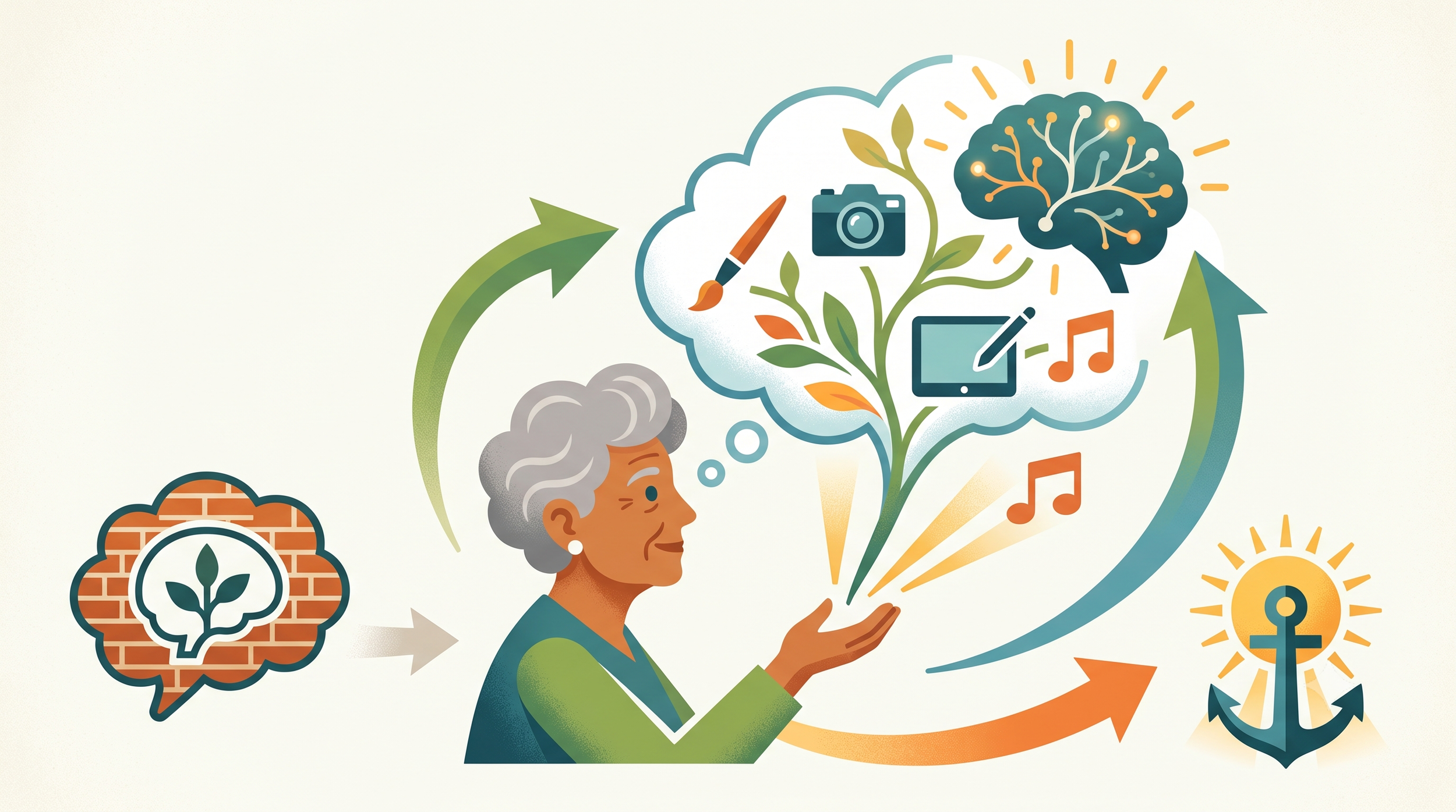
This month, we’re highlighting new research exploring how our deeply held beliefs about our own minds can influence our actual mental performance as we age: how a "growth mindset" can unlock real, measurable cognitive gains through learning.
The study focuses on the concept of a growth mindset—the foundational belief that intelligence and abilities are not fixed traits, but qualities that can be developed and expanded through effort, practice, and dedication. While this perspective has long been known to boost motivation and success in young students, researchers wanted to see if it holds the same power for older adults navigating a challenging, multi-skill learning program.
What makes this research especially fascinating is the discovery that our mindset isn't just a passive attitude; it acts as an active catalyst. Believing that your brain can grow actually predicts how much your cognitive function will improve when you challenge yourself with new skills.
Key Highlights:
What the research shows: Looking at older adults participating in a intensive 3-month multi-skill learning intervention, researchers found that participants significantly increased their growth mindset during the program. More importantly, those who started the program with a higher preexisting growth mindset achieved noticeably larger cognitive gains on mental test batteries by the end of the study compared to those with a fixed mindset.
Why it matters for brain health: For a long time, standard cognitive training for older adults has focused heavily on repetitive, computer-based memory tasks. This study suggests that a crucial missing ingredient in healthy mental aging is motivation and belief. When we embrace challenges and view mistakes as natural learning milestones rather than signs of personal limitation, we create a positive psychological cycle that maximizes our brain's capacity for improvement.
A closer look at the science: The study was designed in two parts to ensure accuracy. It tracked participants before, during, and after they learned multiple new real-world skills simultaneously (such as photography, Spanish, or iPad use). The structured social environment—which included intentional group discussions about growth mindset—allowed the participants to lean into the discomfort of being a beginner, directly translating that psychological resilience into sharper cognitive performance.
The long-term impact: These findings add to growing evidence that our cognitive destiny isn't set in stone. Adulthood does not have to be a period of fixed, inevitable decline. By actively cultivating a growth mindset and stepping outside of our comfort zones to master complex new hobbies, we can build a strong buffer against age-related cognitive changes and maintain our functional independence.
This research reinforces a central message of this month’s theme: the brain remains remarkably adaptable throughout our entire lives, but we have to give it permission to grow. Prioritizing lifelong learning, embracing the vulnerability of trying new things, and shifting how we talk to ourselves about our abilities support our brain's natural capacity for renewal and help protect cognitive health across the lifespan.
Extra Academic Spotlight: Purpose in Life and Long-Term Cognitive Health
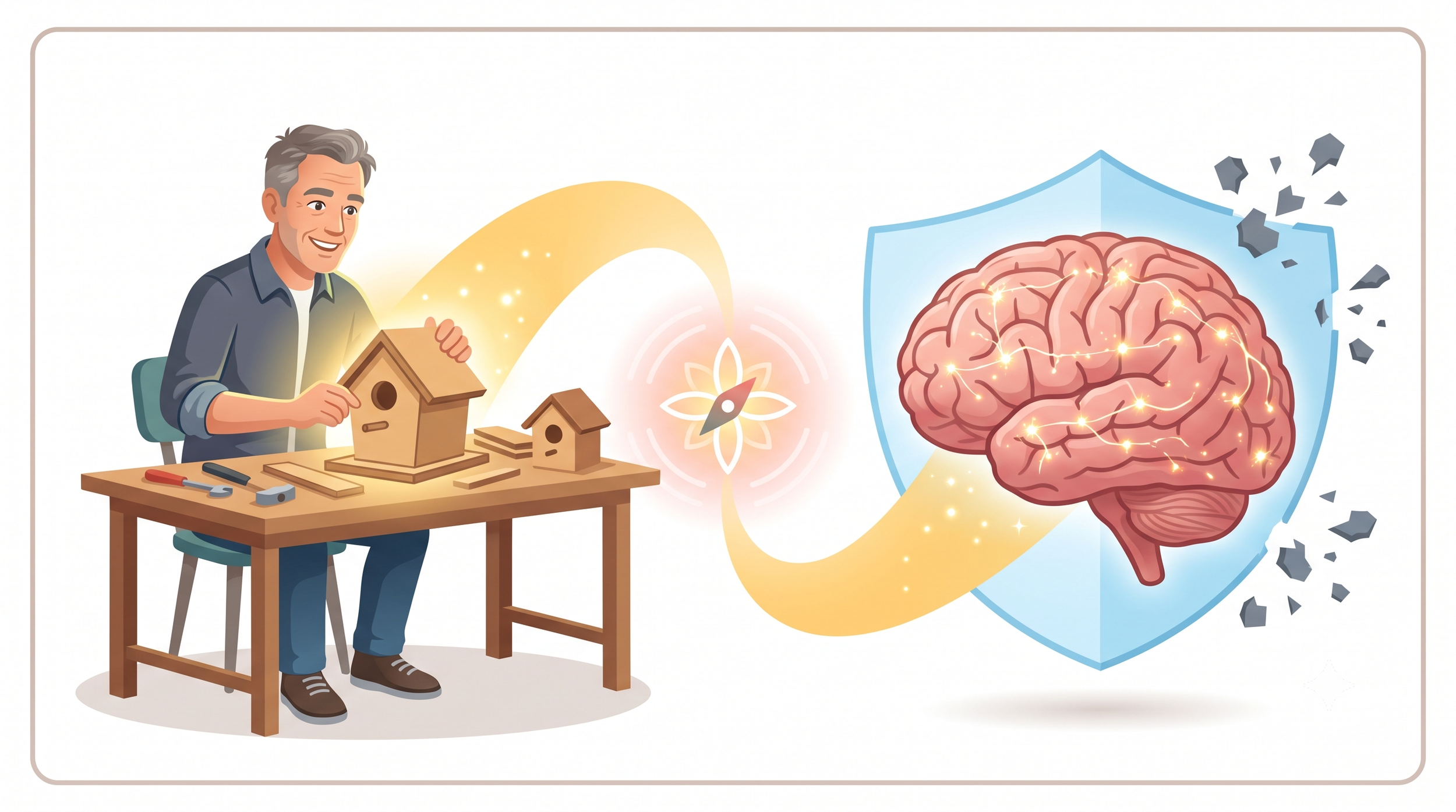
This month’s spotlight article explores a powerful but often overlooked psychological driver of brain health: having a sense of purpose in life. While we frequently focus on physical habits like diet and exercise, this 28-year prospective study reveals that maintaining goals, direction, and intentionality plays a major role in protecting our minds as we age.
The article highlights growing evidence that finding meaning in our daily lives—especially as we transition into our 60s and beyond—may directly influence cognitive resilience and offer long-term defense against cognitive decline.
What the research shows: Researchers tracked over 4,600 participants across nearly three decades to observe how a sense of purpose impacts the aging brain. They found that a strong sense of purpose measured at age 52 was closely tied to better overall cognitive function and stronger verbal skills later in life. Even more strikingly, maintaining a high sense of purpose into one's 60s and 70s was directly associated with a significantly lower likelihood of developing dementia by age 80.
Why it matters for brain health: Psychological well-being is deeply intertwined with neurological health. The study revealed that individuals who experienced a steep decline in their sense of purpose between middle age and later life were much more vulnerable to cognitive impairment. Conversely, a steady sense of purpose acts as a psychological buffer, fostering cognitive reserve—the brain's ability to improvise, find alternative ways of getting a job done, and resist damage.
A closer look at the science: The data indicates that timing matters. While a sense of purpose in mid-life lays a healthy baseline for future cognitive function, maintaining that drive into the later decades of life offers the strongest protection against dementia. Biologically and psychologically, a clear purpose helps regulate the body's stress responses, lowers chronic inflammation, and keeps individuals socially and mentally engaged—all key factors that protect brain tissue over time.
The real-world impact: This research reinforces the idea that cognitive wellness is not just about keeping the body moving, but also about keeping the mind driven. Retirement or getting older shouldn't mean stepping back from meaningful engagement. Pursuing hobbies, volunteering, learning new skills, or staying anchored in deep relationships are active ways to maintain a sense of direction that physically strengthens the brain across the lifespan.
This study adds an important perspective to this month’s theme of intentional living: mental clarity and resilience are deeply tied to our underlying motivations. Cultivating reasons to wake up energized every day is a meaningful, lifelong investment in our long-term cognitive health.
Recent Research & Recognition: Could Your Sleep Study Predict Your Future?
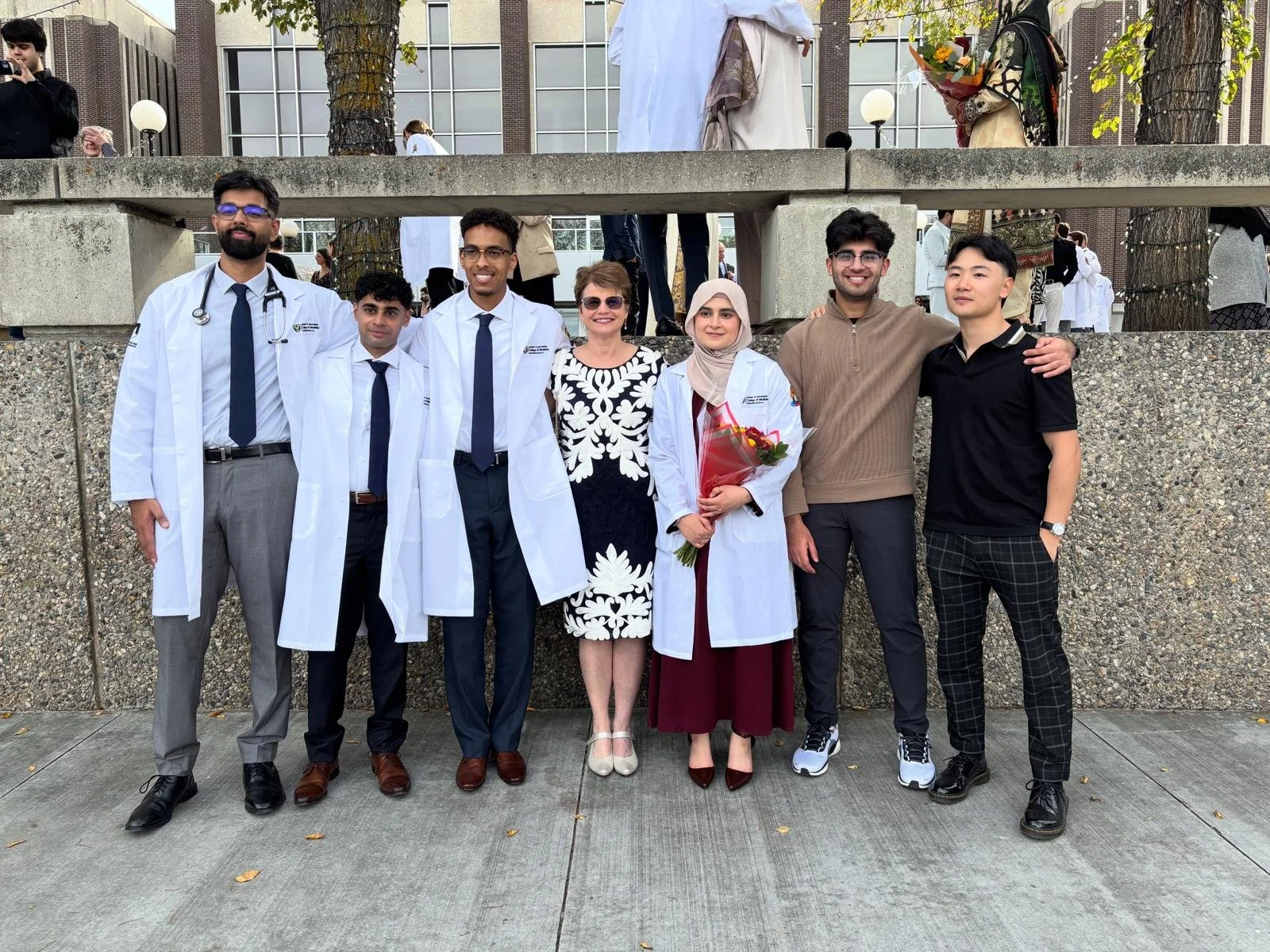
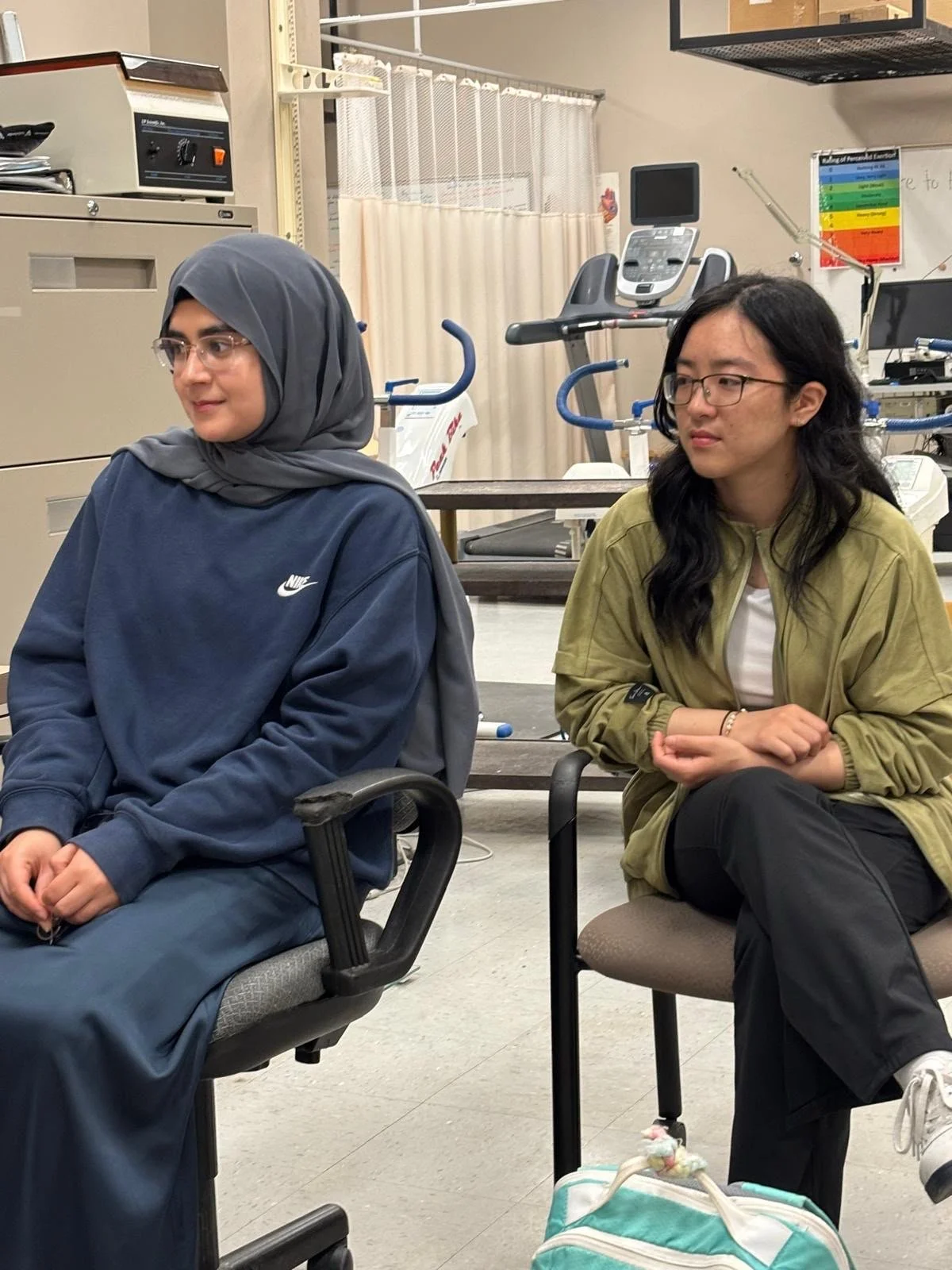
This month, we are highlighting groundbreaking research into the relationship between sleep patterns and long-term brain health. This summer, Dr. Holly Bardutz and the Brain Health and Wellness Lab team are launching an ambitious project at the Regina General Hospital Sleep Clinic, illustrating a profound truth: decades before symptoms appear, our brains may already be sending critical warning signs through our sleep.
Traditionally, sleep studies were viewed as tools to diagnose immediate issues like sleep apnea. However, the latest science shifts the focus to how sleep acts as a window into future neurological health. During deep and REM sleep, the brain activates an internal cleaning system to flush out toxic waste. When this process is disrupted over a lifetime, proteins associated with Alzheimer’s and Parkinson’s can build up, leaving a track record in early sleep data.
Dr. Bardutz and her cross-disciplinary team are analyzing decades of patient records to map how specific disruptions correlate with future diagnoses. Their initial pilot study has already revealed a compelling connection:
The REM & Parkinson's Connection: Individuals with Parkinson’s consistently show disrupted REM sleep, often decades before diagnosis.
The Deep Sleep & Alzheimer's Connection: Individuals with Alzheimer’s consistently show patterns of heavily disrupted deep sleep, long before memory symptoms begin.
The Sex-Difference Variable: The study is actively investigating how these sleep-to-disease relationships differ between men and women to better tailor future screenings.
Beyond the Lab: A Multi-Generational Roadmap
This massive summer initiative also highlights collaborative, community-driven science:
The 30-Year Timeline: Building on a successful 2010 pilot, the team is going back to 1995, reviewing historical data to track patients forward and pinpoint exactly how sleep architecture predicts disease.
A Collaborative Powerhouse: The project unites leading specialists—including neurologist Dr. Zia Rehman and sleep physician Dr. Guruswamy Sridhar—with health scientists and data managers.
The Next Generation: Energizing the future of Canadian healthcare, the lab has engaged eight exceptional medical, public health, and pre-med students to drive this research forward.
This research reinforces our core mission: shifting from a passive "wait and see" approach to proactive, early screening. Confirming these patterns will open doors to early interventions that can delay or prevent disease onset.
We are deeply grateful to Dr. Holly Bardutz, her clinical partners, and the student researchers at the Brain Health and Wellness Lab for helping us understand that a routine sleep study today might just hold the key to protecting our brains tomorrow.
From Holly and all of us at Community & Company, we hope you’ve enjoyed this month's edition of The Brain Science Bulletin!
If you know someone who would find this newsletter helpful, feel free to share it with them. They can also join our mailing list by signing up at the bottom of our website’s Contact Page.
Thank you for being part of our community. We appreciate you! See you in the next edition.
Warm regards,
Holly Bardutz and the Community & Company Team
“You make your brain, then your brain makes you!”
Disclaimer: The information provided here is for educational purposes only and is not intended as medical advice. Always consult a qualified healthcare professional for medical concerns or treatment.