The Brain Health Bulletin - June Edition
Welcome to the June edition of Holly’s monthly newsletter!
June invites us into a season of lightness and renewal. As the days become warmer and brighter, many of us feel inspired to open the windows, clear out clutter, and create space for a fresh start.
This instinct to “spring clean” is not only something we do in our homes. It is also happening inside the brain.
Throughout our lives, the brain is constantly working to repair, restore, and clean itself. During sleep, specialized systems help clear away waste products that accumulate throughout the day. At the cellular level, processes such as autophagy help remove damaged components and support healthy brain function. Exercise, movement, and healthy daily habits all play an important role in supporting these natural renewal systems.
Far from being passive, the brain is engaged in continuous maintenance and restoration, helping protect cognitive function, resilience, and long-term brain health.
In this month’s edition, we explore the fascinating science behind the brain’s natural cleaning and repair processes, including the powerful role of sleep, physical activity, and lifestyle habits in supporting cognitive wellness as we age.
The message this month is both practical and empowering: small daily habits can help the brain clear, restore, and function at its best.
Inside, you’ll find research, insights, and strategies to help support your brain’s natural ability to renew and protect itself.
Here’s to clarity, restoration, and a healthier mind this season.
Did You Know?
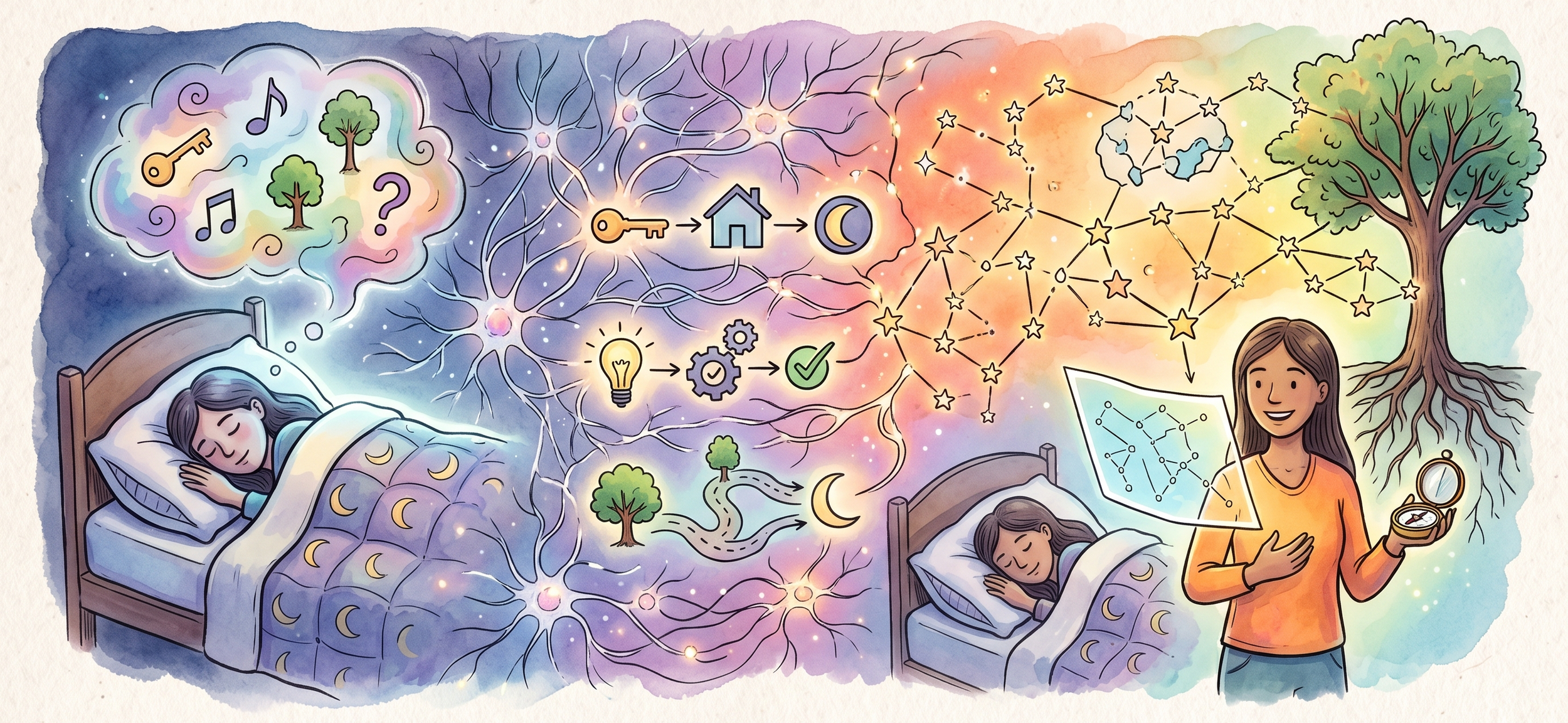
This month’s featured article from Psychology Today explores an important and fascinating role of sleep: how the brain organizes information and builds “learning maps” that help us understand, remember, and navigate the world around us.
Far from being a passive state, sleep is an active process during which the brain strengthens connections, organizes experiences, and clears unnecessary information to support learning and cognitive function.
Here are a few key insights from the article:
Sleep helps the brain organize experiences into mental maps: While we sleep, the brain processes information gathered throughout the day and organizes it into patterns and relationships. This helps us not only remember information but also understand how ideas and experiences connect.
Deep sleep strengthens memory and learning: During certain stages of sleep, the brain replays newly learned information, helping stabilize memories and improve long-term retention. This process is essential for learning new skills and adapting to new environments.
The brain uses sleep to “clean up” and optimize connections: it strengthens important neural pathways while trimming away less useful information. This helps improve efficiency, focus, and cognitive clarity.
Poor sleep can interfere with learning and decision-making: When sleep is disrupted or insufficient, the brain has greater difficulty consolidating memories, processing information, and building the cognitive maps needed for problem-solving and everyday functioning.
Healthy sleep habits support long-term brain health: Consistent, high-quality sleep plays a critical role in maintaining cognitive resilience, emotional regulation, and overall brain wellness as we age.
This article reinforces an essential message in brain health: sleep is not simply rest; it is one of the brain’s most important maintenance and restoration processes. By prioritizing healthy sleep habits, we support the brain’s ability to learn, adapt, organize, and renew itself throughout life.
The Science Behind Brain Health: Sleep, Slow Waves, and the Brain’s Cleaning System
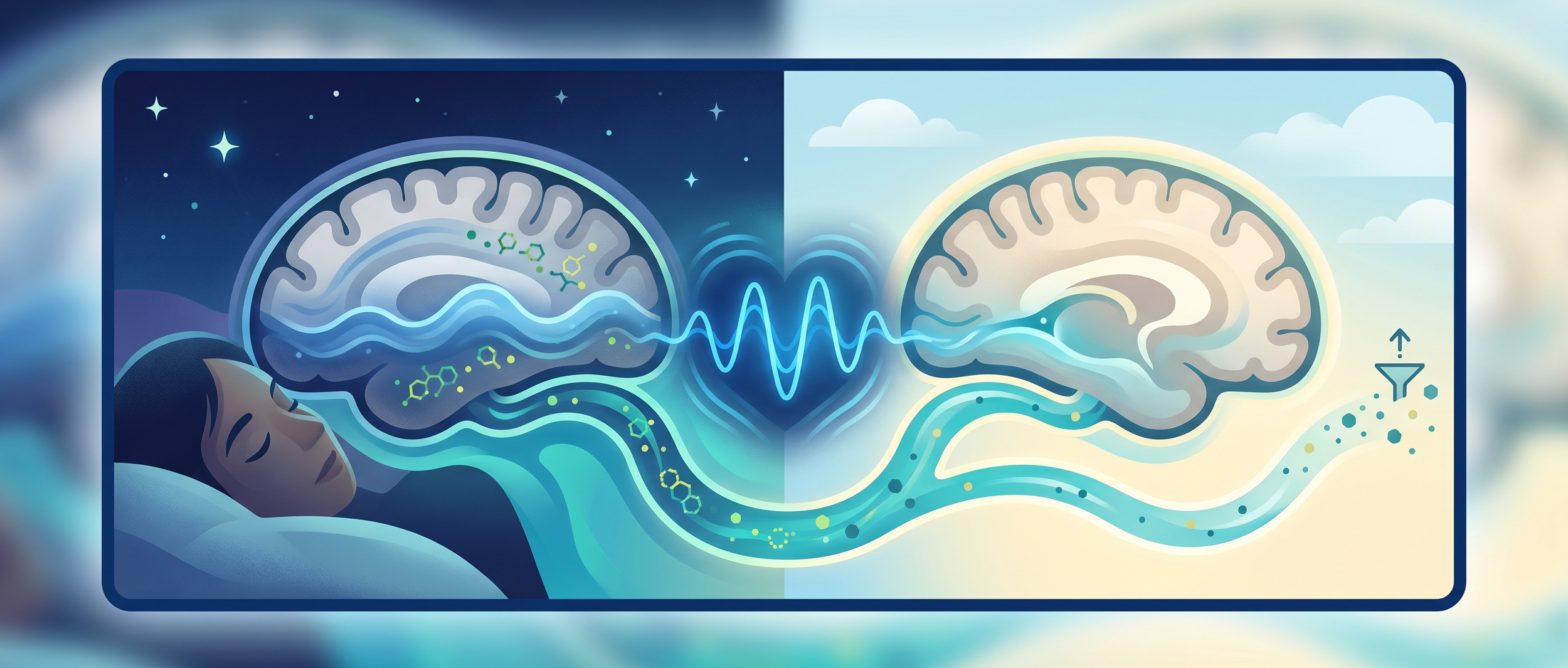
This month, we’re highlighting new research exploring one of the brain’s most important overnight maintenance processes: how deep sleep helps clear metabolic waste and support long-term brain health.
The study focuses on slow-wave sleep, the deepest stage of non-REM sleep, during which large, synchronized brain waves help drive the movement of cerebrospinal fluid through the brain. This process plays a critical role in removing metabolic “trash” that naturally accumulates throughout the day, including waste products linked to cognitive decline and neurodegenerative disease.
What makes this research especially fascinating is the discovery that these slow brain waves appear to coordinate the brain’s cleansing system actively, almost like a nighttime cleaning cycle for the nervous system.
Key Highlights:
What the research shows: Using advanced MRI imaging, researchers observed how slow waves during deep sleep help trigger waves of fluid movement throughout the brain. These fluid shifts help flush away metabolic waste products that build up during waking hours.
Why it matters for brain health: Efficient waste removal is essential for maintaining healthy brain function. When sleep is disrupted or insufficient, the brain may become less effective at clearing harmful proteins and cellular byproducts, which over time may contribute to cognitive decline and neurological disease.
A closer look at the science: The study examined the relationship between brain activity, blood flow, and cerebrospinal fluid movement during sleep. Researchers found that slow electrical waves in the brain were closely linked to rhythmic fluid pulses that support the brain’s glymphatic system, the network responsible for clearing waste from the brain.
The long-term impact: These findings add to growing evidence that sleep is not simply restorative for energy levels or mood, but also essential for the brain’s physical maintenance and protection. Supporting healthy sleep habits may play an important role in preserving cognitive resilience and reducing long-term neurological risk.
This research reinforces a central message of this month’s theme: the brain is constantly working to clean, repair, and restore itself, especially during sleep. Prioritizing rest, movement, and healthy daily habits supports these natural renewal systems and helps protect brain health across the lifespan.
Extra Academic Spotlight: The Glymphatic System and the Brain’s Nighttime Cleaning Process
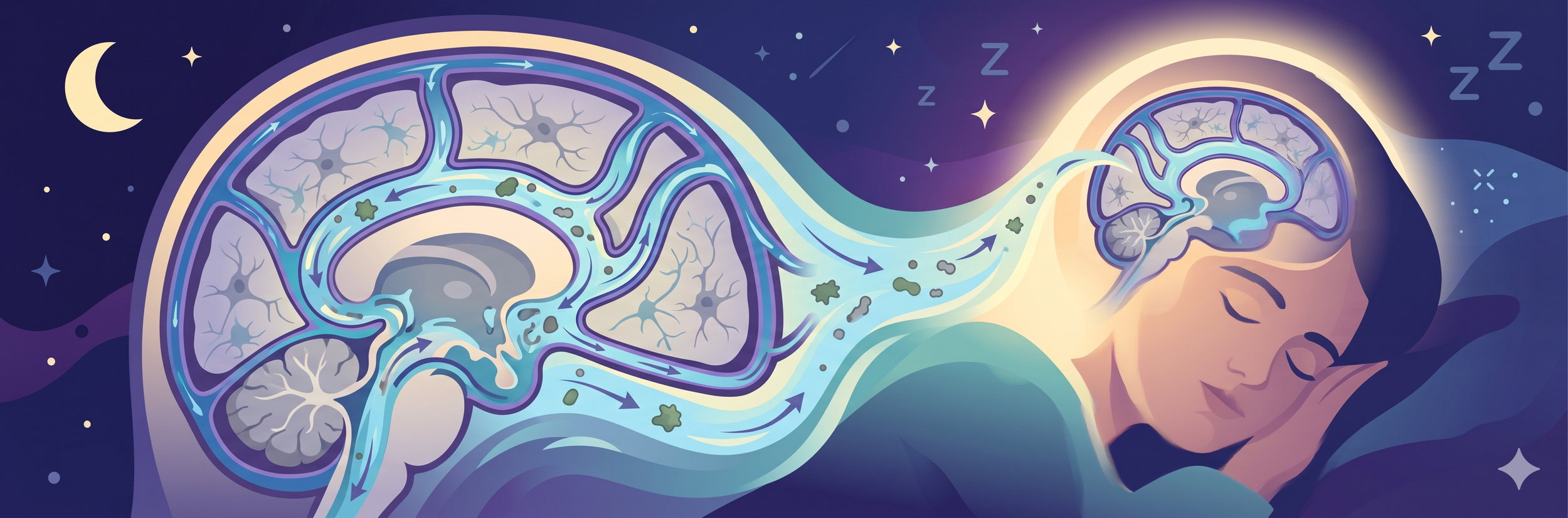
This month’s spotlight article explores one of the brain’s most important but lesser-known maintenance systems: the glymphatic system. Often described as the brain’s “cleaning network,” this system becomes especially active during sleep, helping remove waste products and support overall brain health.
The article highlights growing evidence that lifestyle choices, particularly those that support healthy sleep, may directly influence how effectively the brain clears metabolic waste and protects itself over time.
What the research shows: The glymphatic system is responsible for clearing toxins, waste proteins, and metabolic byproducts that accumulate in the brain throughout the day. Research suggests this system becomes significantly more active during sleep, especially deep sleep, when cerebrospinal fluid can move more efficiently through brain tissue.
Why it matters for brain health: Efficient waste clearance is essential for maintaining healthy cognitive function and protecting the brain from long-term damage. Impaired glymphatic function has been associated with the buildup of harmful proteins linked to neurodegenerative conditions such as Alzheimer’s disease and other forms of cognitive decline.
A closer look at the science: Researchers examined how factors such as sleep quality, physical activity, stress, hydration, and overall lifestyle habits may influence glymphatic activity. The findings suggest that healthy lifestyle behaviours can help optimize the brain’s natural cleaning and restoration systems, while chronic sleep disruption and poor health habits may interfere with this important process.
The real-world impact: This research reinforces the idea that sleep is not simply downtime for the brain. It is an active period of repair, restoration, and protection. Supporting healthy sleep habits, regular movement, stress management, and overall wellness may help strengthen the brain’s ability to maintain itself across the lifespan.
This study adds an important perspective to this month’s theme of “spring cleaning” for the brain: the brain already has its own highly sophisticated cleaning system. Our daily habits play a meaningful role in helping that system function at its best, supporting clarity, resilience, and long-term cognitive health.
Recent Research & Recognition: The Power of Movement in Parkinson’s Health
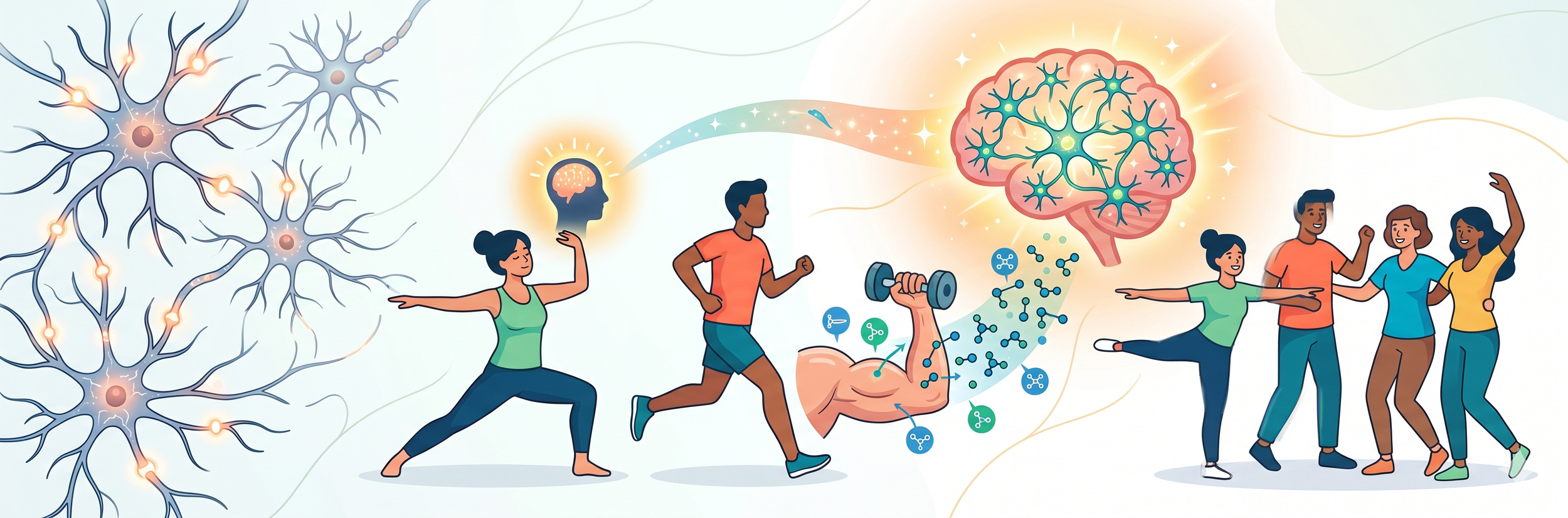
This month, we are highlighting transformative research into the relationship between physical activity and neuroprotection, specifically as it applies to Parkinson’s Disease (PD). During a recent presentation for Parkinson Canada, Dr. Holly Bardutz shared insights from her collaborative research with Dr. Jyotpal Singh, illustrating a profound truth: for the Parkinson’s brain, movement is medicine.
Traditionally, exercise was viewed primarily as a way to maintain physical fitness. However, the latest science shifts the focus to the brain itself. We now know that exercise is a potent driver of neuroplasticity and neurogenesis—the brain’s ability to reorganize itself and create new neurons. This research emphasizes that physical activity acts as a biological spark plug, increasing Brain-Derived Neurotrophic Factor (BDNF), a protein essential for the survival and growth of brain cells.
Dr. Bardutz and Dr. Singh’s work explores how different "modalities" of movement impact the quality of life for those living with PD. Their research reveals a compelling hierarchy of benefits:
Mind-Body Exercise: Topped the charts with an 80.6% impact on quality of life, highlighting the power of activities that integrate mental focus with physical movement.
Aerobic and Resistance Training: Combined protocols showed a 76.7% improvement, followed closely by standalone aerobic exercise at 70.5%.
The "Myokine" Connection: The research highlights that skeletal muscles act as endocrine organs. During exercise, they produce myokines—proteins that cross the blood-brain barrier to promote learning, memory, and mood regulation.
Beyond the Workout: A Holistic Roadmap
This presentation also touched on emerging research areas such as:
Cognitive-Motor Training: Challenges the brain by performing physical tasks (like balancing) while simultaneously engaging in cognitive tasks (like naming dog breeds or counting backward).
Social Connection: Research suggests that while regular exercisers live longer, those who exercise in social settings—such as doubles tennis or group dance—can see an even more dramatic increase in longevity.
Exercise Snacks: For those who find long sessions daunting, "snacks" (short bursts of activity lasting 1 to 10 minutes) performed throughout the day can still provide significant benefits.
This research reinforces our core mission: shifting from a passive "wait and see" approach to a proactive, movement-based lifestyle. By following the Canadian 24-Hour Movement Guidelines—which advocate for at least 150 minutes of aerobic activity per week and muscle strengthening twice a week—individuals can actively support their brain’s resilience.
We are deeply grateful to Dr. Holly Bardutz and Dr. Joe Singh and the research community for helping us understand that whether you are walking, dancing, or lifting weights, you are doing more than just moving your body—you are protecting your brain.
From Holly and all of us at Community & Company, we hope you’ve enjoyed this month's edition of The Brain Science Bulletin!
If you know someone who would find this newsletter helpful, feel free to share it with them. They can also join our mailing list by signing up at the bottom of our website’s Contact Page.
Thank you for being part of our community. We appreciate you! See you in the next edition.
Warm regards,
Holly Bardutz and the Community & Company Team
“You make your brain, then your brain makes you!”
Disclaimer: The information provided here is for educational purposes only and is not intended as medical advice. Always consult a qualified healthcare professional for medical concerns or treatment.