The Brain Health Bulletin - October Edition

Welcome to the October edition of Holly’s monthly newsletter!
October invites us into a season of quiet transformation. As the days grow cooler and the landscape shifts, nature puts on one of its most brilliant displays. Leaves of deep red, burnt orange, golden yellow, and rich purple remind us that change can be both vibrant and restorative.
This seasonal shift is more than just a beautiful backdrop; it is a gentle cue from the natural world about diversity, nourishment, and resilience.
Just as a natural ecosystem relies on a wide variety of flora to thrive, our internal ecosystem—the gut microbiome—depends on a rich, varied diet to support our entire body and brain. The brilliant hues of autumn foliage come from specialized plant compounds like polyphenols and carotenoids that protect trees as the seasons change. When we bring that same colorful variety of plant foods, fibers, and whole grains to our plates, we directly feed the trillions of beneficial microorganisms living in our gut.
In this month’s edition, we explore two exciting highlights from recent health research:
Starting Tomorrow: 5-Week Mindfulness & Breathwork Program: Led by Sacha Wolfson alongside brief brain science insights from Dr. Holly Bardutz, this updated program offers practical, seated mindfulness and breathing practices designed to calm a busy mind, relieve stress, and support long-term brain health.
The Gut-Brain Connection: A featured article from Nature Reviews Gastroenterology & Hepatology explores how gut microorganisms convert nutrients into signals that communicate directly with our immune system, metabolism, and brain.
Plant-Based Eating & Cognitive Health: A new scoping review examines how quality plant-based dietary patterns foster microbiome diversity, supporting memory, glucose regulation, and mood stability.
Upcoming Fall Events Lineup: Join us for our interactive fall series featuring expert-led sessions on neuroplasticity with Dr. Cameron Mang, brain health in midlife with Dr. Holly Bardutz, hormone optimization with Dr. Seema Goyal, the surprising connection between having healthy feet and a healthy brain with podiatrist Dr. Mino Deiana, and a lighthearted holiday brain science celebration of the holidays/Holly Days in December with Holly.
The overarching message this month is simple: nurturing your brain health is an ongoing, holistic practice. Whether it is adding a few more colors to your plate, stepping into a mindfulness practice, or learning something new in our upcoming fall events, every small step contributes to a resilient mind and body.
Inside, you’ll find all the details, research highlights, and registration links to help you stay engaged and nourished this season.
Here’s to vibrant health, a thriving mind, and savoring the beauty of the season.
Did You Know?

This month’s featured article from Nature Reviews Gastroenterology & Hepatology explores an increasingly important connection in health research: the relationship between the foods we eat, the trillions of microorganisms living in our gut, and the health of the entire body—including the brain.
Our gut microbiome does much more than help digest food. The microorganisms in our digestive system interact with nutrients from our diet and produce compounds that can influence the immune system, metabolism, hormones, and nervous system. This means that every meal has the potential to influence not only our gut health, but also the many systems connected to it.
Here are a few key insights from the article:
Our diet helps shape our gut microbiome: The foods we regularly eat influence the types and activities of microorganisms living in our gut. A diverse diet provides a wider range of nutrients that can support a more varied and resilient microbial community.
The gut microbiome helps transform food into health signals: Gut microorganisms break down components of our diet and produce metabolites—small compounds that can communicate with and influence different systems throughout the body. These signals can affect immune, metabolic, endocrine, and nervous system functions.
Plant diversity may be especially important: Eating a variety of plant foods provides different types of fibres and other compounds that can nourish different groups of beneficial gut microorganisms. This is one reason that “eating the rainbow” and regularly including a wide range of fruits, vegetables, legumes, whole grains, nuts, and seeds can be a meaningful approach to supporting microbiome diversity.
The gut and brain are connected: The gut microbiome is involved in the communication between the digestive system and the nervous system. Through microbial metabolites and other biological pathways, what happens in the gut can influence processes related to brain and nervous system function.
Nutrition is personal: The article also highlights that people can respond differently to the same foods. Factors such as an individual's existing microbiome, overall health, lifestyle, and diet can influence how the body responds to what we eat. This is an important reminder that there is no single “perfect” diet that works identically for everyone.
Healthy eating is about patterns, not one perfect food: Rather than focusing on a single “superfood” or supplement, research increasingly points toward the importance of overall dietary patterns. A varied, nutrient-rich diet can help support the complex relationship between food, the gut microbiome, and human health.
This article reinforces an important message for brain health: nourishing the brain may begin long before food reaches the brain itself. The foods we eat help shape the community of microorganisms in our gut, which in turn can influence systems throughout the body. By adding more variety and colour to our meals, we are not only feeding ourselves—we may also be nourishing the diverse microbial community that helps support our overall health and brain health.
The Science Behind Brain Health:
Plant-Based Eating, the Gut Microbiome, and Brain Health
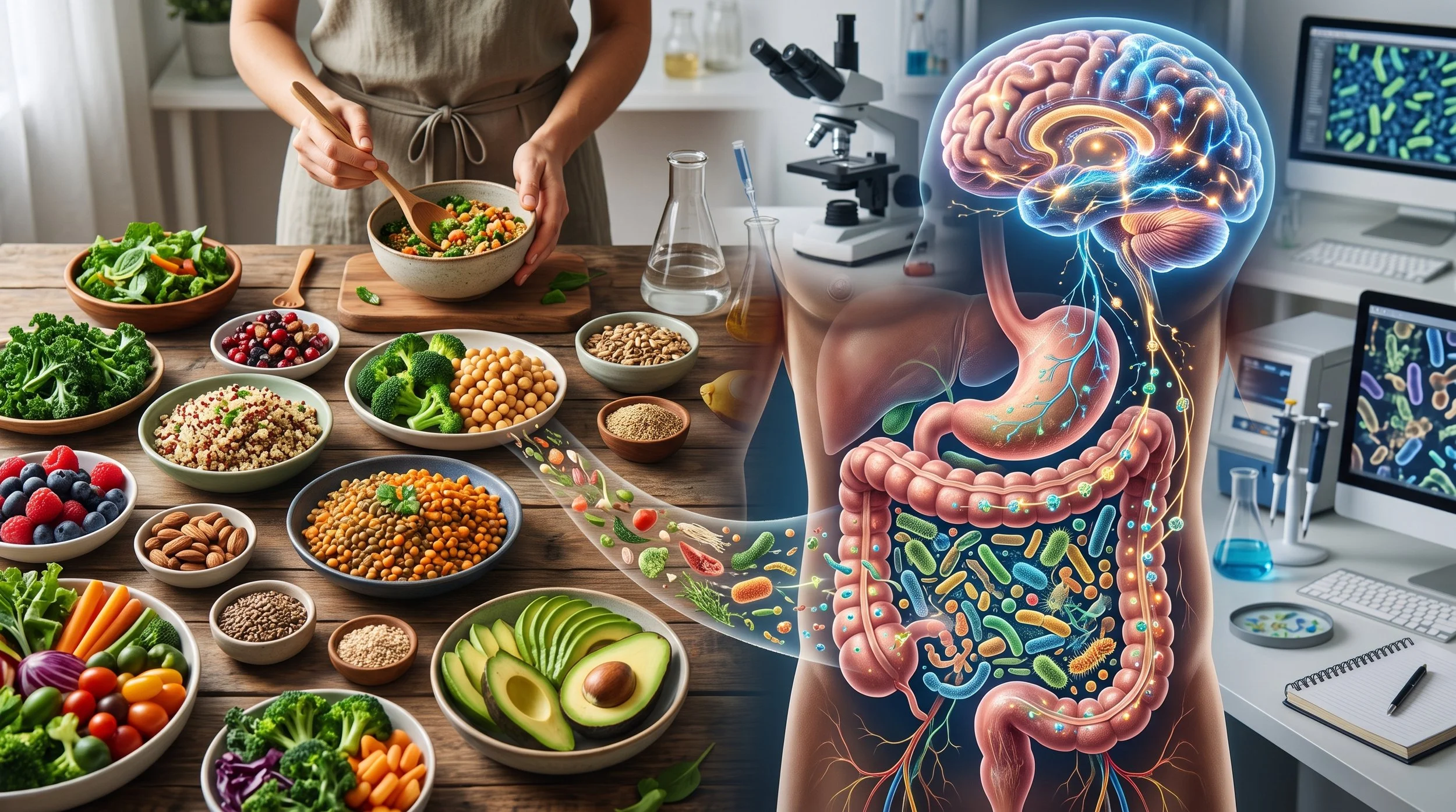
This month, we’re highlighting new research exploring the complex relationship between what we eat, the microorganisms living in our gut, and the health of our brain and body. A recent scoping review examined how plant-based dietary patterns may influence the gut microbiome and, through this connection, affect glucose metabolism, body composition, and cognitive function.
The gut microbiome is increasingly recognized as an important part of overall health. The trillions of microorganisms living in the digestive system interact with the foods we eat, particularly dietary fibre, and produce compounds that can influence metabolism, inflammation, satiety, and communication between the gut and the brain. This research highlights how nutrition may support brain health through multiple interconnected pathways rather than through a single nutrient or food.
What makes this research especially valuable is its focus on the relationship between diet, the microbiome, and several important aspects of health at the same time. The findings suggest that a healthy plant-based dietary pattern may support not only metabolic health, but also cognitive function and psychological well-being.
Key Highlights:
What the research shows: The review found that healthy plant-based dietary patterns—including diets emphasizing whole grains and plant-protein-rich foods—were associated with several positive health outcomes. These included lower body and fat mass, lower fasting glucose, improved insulin resistance, improvements in episodic memory, and reductions in psychological distress and anxiety. Studies that examined changes in the gut microbiome generally reported increased microbial diversity and greater abundance of certain short-chain fatty acid-producing bacteria, including members of the Prevotella, Lachnospiraceae, and Bifidobacteria groups.
Why it matters for brain health: The gut and brain are connected through a complex network of biological pathways. Dietary fibre is fermented by gut microorganisms, producing short-chain fatty acids that have been linked to processes involved in metabolic health, inflammation, gut barrier function, hormonal responses, and communication along the gut-brain axis. These pathways may help explain why dietary patterns that support a healthy microbiome could also influence memory, mood, and cognitive function.
A closer look at the science: This scoping review brought together research examining plant-based dietary interventions alongside changes in the gut microbiome and outcomes related to glucose metabolism, body composition, and neurocognition. Importantly, the researchers emphasize that the microbiome is complex and that the effects of diet are not yet fully understood. Although many studies reported changes in microbial composition, measurements of microbial function and the specific metabolites produced by these microorganisms were often limited or showed inconsistent results. This highlights the need for more research into not only which microorganisms are present, but also what they are doing.
The importance of dietary quality: The research also reinforces that “plant-based” does not automatically mean healthy. The potential benefits described in the review are associated primarily with healthy plant-based dietary patterns that include foods such as whole grains and other fibre-rich plant foods. The overall quality and variety of the diet remain important. In other words, supporting the gut microbiome is not about following a single perfect diet, but about building a nourishing dietary pattern that provides a wide range of nutrients and fermentable fibres.
The long-term impact: The findings point toward an exciting area of research in preventive health. By supporting a diverse and healthy gut microbiome through nutritious dietary patterns, it may be possible to influence several interconnected aspects of health at once—including glucose regulation, body composition, psychological well-being, and cognitive function. However, the researchers note that more long-term research is needed to understand how these effects differ between individuals and how changes in the microbiome translate into lasting health benefits.
This research reinforces an increasingly important message in brain health: the brain does not operate in isolation. The foods we eat can influence the gut microbiome, which communicates with systems throughout the body and may play an important role in the gut-brain connection. By including a diverse range of fibre-rich plant foods in our diets, we may be supporting not only our overall health, but also the microbial community that helps contribute to a healthy, resilient brain.
5-Week Mindfulness & Breathwork for a Calm, Clear Mind Program with Sacha Wolfson
Our 5-week program began yesterday, October 1st, but it’s not too late to join! Since all sessions are recorded, you can easily catch up on week one and register to participate in the remaining live sessions.
This course introduces practical mindfulness, gentle breathing techniques, and simple habits designed to calm the nervous system, quiet a busy mind, and support brain health.
Each Thursday session combines a few minutes of accessible brain science from Dr. Holly Bardutz with guided meditation, breathing techniques, and deep rest led by Sacha Wolfson. Participants will also engage in brief small-group conversations to share insights and deepen their practice. Designed to fit easily into real life, these gentle, seated practices will help you release stress, cultivate gratitude, respond to challenges with self-kindness, and bring greater presence to your connections with others.
The program is suitable for beginners and anyone looking to build a sustainable, daily practice. Each session stands on its own, and full recordings are provided for every week.
Note for Returning Participants: If you joined us for Sacha’s previous series, please note that this updated program features a new schedule, a 5-session structure, longer sessions, and refreshed content.
How the Program Works:
Join the full program (5 weeks) and catch up on Session 1 right away. Secure your spot now!
Full Program Cost: $99.99 CAD for all five sessions (including full access to recordings).
Event Schedule
We have prepared a list of events for this fall, and we would love for you to be part of it.
Neuroplasticity in a Nutshell with Dr. Cameron Mang
Wednesday, October 7 · 10:30 a.m. 11:30 a.m. CST
Join us for an insightful session with Dr. Cameron Mang as he breaks down the fascinating science of neuroplasticity, the brain’s remarkable ability to reorganize itself by forming new neural connections throughout life.
Why Your 30s & 40s May Be a Critical Window for Lifelong Brain Health with Holly Bardutz
Thursday, November 12 · 12:00 p.m. 1:00 p.m. CST
Led by Dr. Holly Bardutz, this engaging, evidence-based session explores the dynamic interplay of daily lifestyle habits and long-term neuroprotection. (Note that this is offered over the lunch hour for those who are working full-time.)
Optimizing Hormone Health in Midlife and Beyond by Dr. Seema Goyal
Tuesday, November 24 · 10:30 a.m. – 11:30 a.m. CST
In this practical presentation, Dr. Seema will unpack the essential role hormones play in our overall well-being as we age.
Healthy Feet, Healthy Brain: The Surprising Connection with Dr. Mino Deiana - Hybrid Format
Tuesday, December 8 · 1:00 p.m. 2:00 p.m. CST
In this session, Dr. Mino Deiana will uncover the surprising link between lower-limb mechanics and neurological health.
This event will be held virtually via Zoom (as we are used to), and at the same time, for those who are able to, it will also be held in person at the University of Regina.
Christmas & Your Brain: A Little Brain Science, a Little Socializations & Sending You Off with a Little Happy Holiday/“Holly Day” Cheer! with Holly Bardutz
Thursday, December 17 · 10:30 a.m. – 11:30 a.m. CST
Before we break for the holidays, join Dr. Holly Bardutz for a warm, engaging, and lighthearted exploration of Christmas, the holiday season, and your brain.
Recent Research & Recognition:
Bringing the Latest Science in Women’s Mental & Brain Health to Our Community
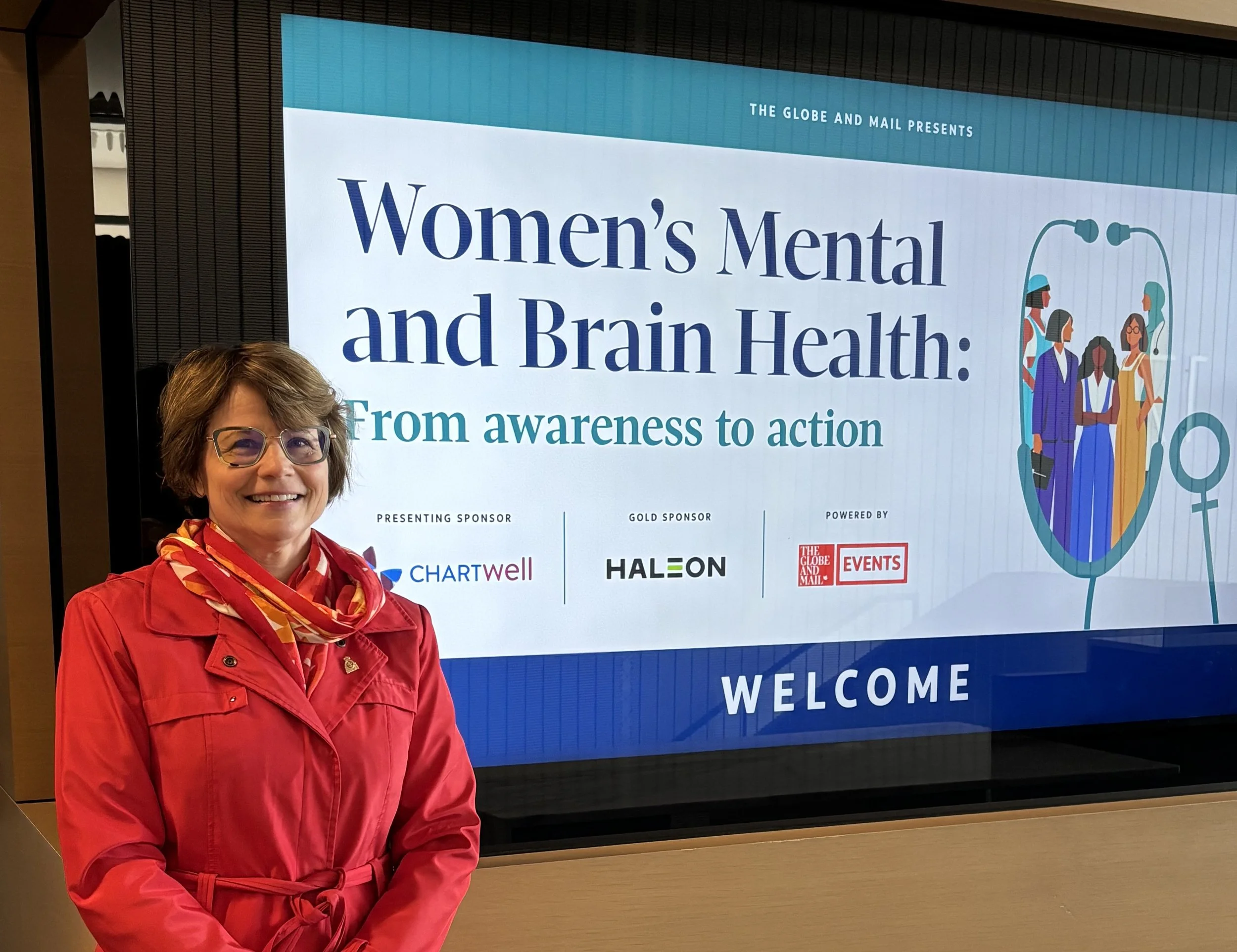
Earlier this week on September 28, Dr. Holly Bardutz attended the Women’s Mental and Brain Health Conference, hosted by The Globe and Mail.
Women experience unique physiological, hormonal, and life-stage factors that profoundly shape mental and neurological well-being across the lifespan. Yet, historically, women’s brain health has often been underrepresented in research and clinical models. This influential conference brought together leading researchers, clinicians, and advocates to shine a spotlight on the latest scientific breakthroughs, preventive strategies, and gender-informed approaches to care.
As always, Holly attended to learn from the forefront of this field and bring these valuable insights directly back to our community, ensuring you stay informed on the most current, evidence-based research for long-term brain health and vitality.
Key Themes and Highlights from the Women's Mental and Brain Health: From awareness to action
A major focus of the conference was understanding how biological sex and gender influence brain health. Researchers highlighted how unique hormonal transitions across a woman's lifespan, combined with social and caregiving responsibilities, can affect the risk of conditions such as depression, anxiety, and other mental health concerns. Women are often more likely to serve as caregivers for children, aging parents, and other family members, creating additional stressors that can influence overall brain health and well-being.
Integrated Mental and Physical Health
Speakers emphasized the close relationship between brain health and mental health, particularly during periods of hormonal change. Hormonal transitions throughout life can influence mood, cognition, stress responses, sleep quality and overall brain function, underscoring the need for a holistic approach to women's brain and mental health.
Translating Science into Action
A key theme was moving research findings from the laboratory into everyday practice. Presenters shared practical, evidence-based lifestyle strategies that women can use to support and protect their brain and mental health at every stage of life, including approaches related to physical activity, sleep, stress management, social connection, nutrition and overall wellness.
The Research Gap in Women's Health
An important discussion centered on the longstanding underrepresentation of women in health research. Historically, much medical and health research has been conducted primarily with male participants because studies involving women can be more complex and costly due to hormonal fluctuations across the lifespan. However, experts emphasized that findings from male populations cannot always be directly applied to women. The biological effects of hormones extend throughout the body and brain, creating important differences that must be considered in both research and healthcare. Females experience of concussion is different from that of males from causes to how they present to the medical community.
Hope, Awareness, and Advocacy
Despite ongoing challenges, the conference conveyed a strong message of hope. Increasing awareness of sex and gender differences in brain health is an essential first step toward meaningful change. By amplifying women's experiences and advocating for more inclusive research, healthcare professionals, researchers, and community members can help improve brain health outcomes for women across the lifespan.
Key Takeaway
Understanding the unique biological, psychological, and social factors that influence women's brain health is critical for developing more effective prevention strategies, treatments, and support systems. Continued advocacy, research, and education will play an important role in closing knowledge gaps and improving health outcomes for women.

From Holly and all of us at Community & Company, we hope you’ve enjoyed this month's edition of The Brain Science Bulletin!
If you know someone who would find this newsletter helpful, feel free to share it with them. They can also join our mailing list by signing up at the bottom of our website’s Contact Page.
Thank you for being part of our community. We appreciate you! See you in the next edition.
Warm regards,
Holly Bardutz and the Community & Company Team
“You make your brain, then your brain makes you!”
Disclaimer: The information provided here is for educational purposes only and is not intended as medical advice. Always consult a qualified healthcare professional for medical concerns or treatment.