
Blog & Research
Read My Academic Work and Approachable Thought Leadership
Filter by Categories
Select a category

The Effects of Acute Exercise on Mood, Cognition, Neurophysiology, and Neurochemical Pathways: A Review
A comprehensive review published via PMC dives into how a single bout of physical activity, called “acute exercise,” can influence brain health, even before long-term training begins.

T Cells Found Living in Healthy Brains
A new study published in Nature uncovers a surprising connection between your gut, immune system, and brain, showing that T cells, long thought to be absent from healthy brains, actually live in specific brain regions and may influence your behavior.
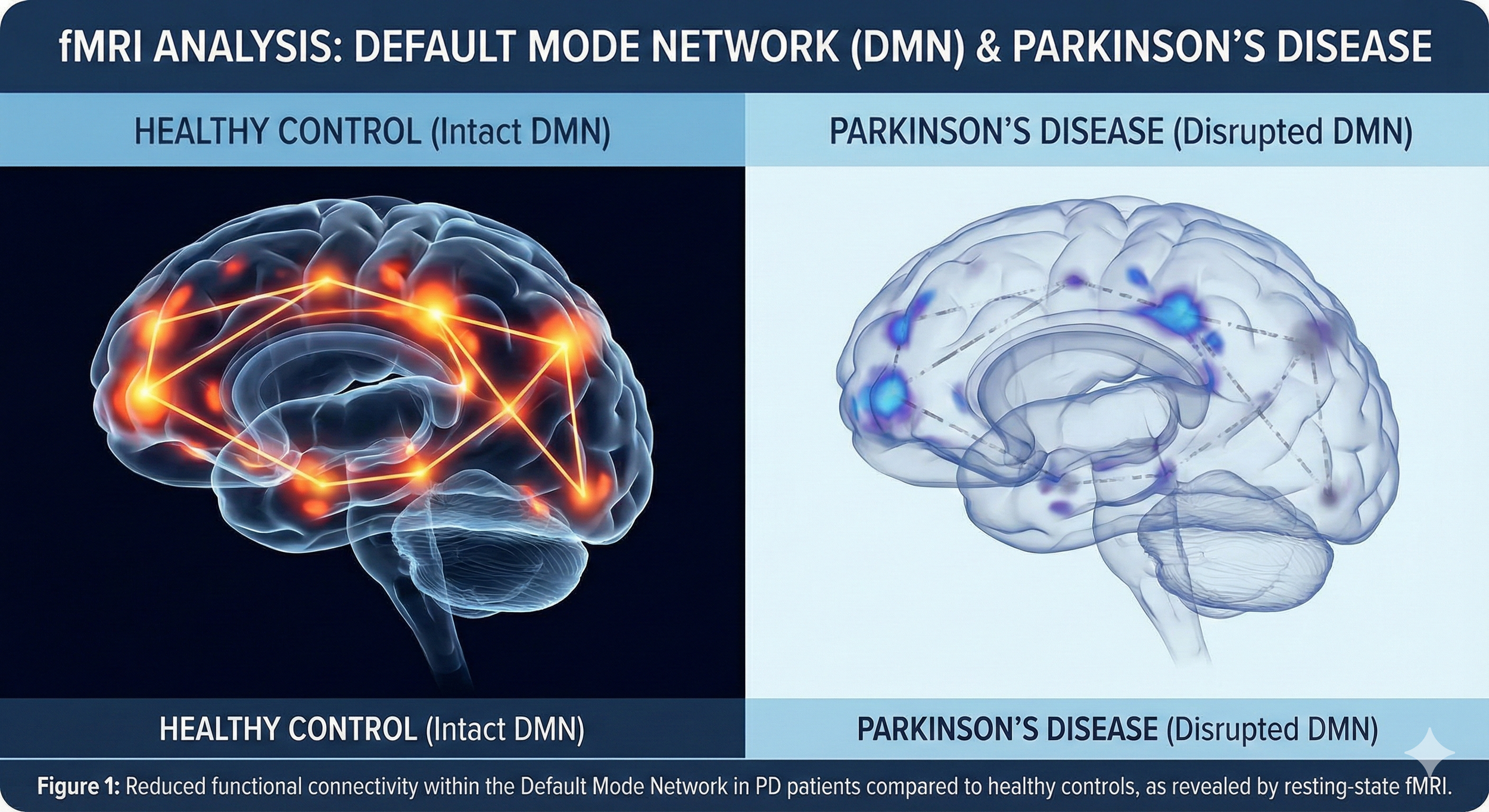
Application of Functional MRI in Parkinson’s Disease and Default Mode Network: Review of the Literature
We're proud to highlight new research coming out of the Brain Health and Wellness Lab ([insert website link]) and authored by Holly Bardutz, along with three of her research assistants—now all proud medical students (congratulations to the team!)—and Dr. Rehman, a neurologist with the Saskatchewan Health Authority.

Cognitive Reserve and the Prevention of Dementia: the Role of Physical and Cognitive Activities
A comprehensive review published in Frontiers in Psychiatry (accessed via PMC) investigates how modifiable lifestyle factors, particularly physical activity and mentally stimulating pursuits, contribute to cognitive reserve—the brain's resilience against age-related decline and dementia.

Sleep Quality Shapes Jealousy in Insecure Relationships
A recent study presented at the SLEEP 2025 conference reveals a fascinating link between sleep quality and emotional reactions in relationships.

Chronic Stress Quietly Raises Your Stroke Risk
A recent study has found that long-term stress doesn’t just affect your mood—it may significantly increase your risk of stroke.

Speaking of Psychology: Why our attention spans are shrinking
Not only are our attention spans shrinking, but they are also being challenged more than ever by the constant demands of modern technology and media.

The Combined Influences of Exercise, Diet, and Sleep on Neuroplasticity
A 2022 peer-reviewed article published in Frontiers in Psychology explores how three foundational lifestyle behaviors—physical activity, nutrition, and sleep—directly influence neuroplasticity, the brain’s ability to adapt, reorganize, and form new neural connections

Alzheimer’s risk rises when the amount of deep sleep falls, study suggests
A new study, highlighted by CTV News, suggests that a decrease in deep sleep may significantly increase the risk of developing Alzheimer’s disease.

Pharmacological and physiological effects of cannabidiol: a dose escalation, placebo washout study protocol
At the Brain Health and Wellness Lab at the University of Regina, our latest research focuses on the impact of cannabinoids on sleep quality.

Memory and Sleep: How Sleep Cognition Can Change the Waking Mind for the Better
It all begins with an idea.In our fast-paced, always-connected world, sleep is often sacrificed in favor of productivity. But what if the key to sharper memory, better problem-solving, and improved emotional well-being lies in those quiet hours of rest?

What is ultra-processed food, and how can you eat less of it?
In today's fast-paced world, convenience often dictates our food choices, leading many to opt for ultra-processed foods.

Neurogenesis: An Overview
For a long time, scientists believed that the brain stopped producing new neurons after childhood. However groundbreaking research has revealed that certain areas of the adult brain continue to generate new neurons through a process called neurogenesis.

The Role of Exercise and Physical Activity on Aging-Related Diseases and Geriatric Syndromes
We all know that regular exercise is good for us — but its impact on aging is even more powerful than many realize.

Note-Taking by Hand: A Powerful Tool to Support Memory
In an age dominated by keyboards, tablets, and voice-to-text apps, the art of handwritten note-taking is becoming less common — but science suggests we may want to bring it back.

Why Do Taxi Drivers Have a Lower Risk of Alzheimer’s?
Could navigating a city by memory help protect against Alzheimer’s? A fascinating Time Magazine article explores this question through the lens of London cab drivers—who appear to have a significantly lower risk of developing the disease.

Meditation and Brain Health
I asked my research assistant, Abdullah Shafiq (now a second year medical
student) to research write the main points about why meditation is good for the
brain. This is the document he provided.


Parkinson’s Disease and the Cardiac Cycle: A Rapid Literature Review and Case Series
Studies suggest that patients with Parkinson’s Disease experience subclinical systolic dysfunction, although findings remain inconsistent. The case series provided important insights, with consistent cardiac parameters observed over a 6-week period, including a heart rate of 67–71 bpm and systolic time intervals ranging from 332 to 348 ms.

Effect of Exercise on Sleep Quality in Parkinson’s Disease: a Mini Review
Parkinson’s Disease (PD) not only affects motor function but also causes sleep disturbances, such as reduced slow-wave sleep. While medications improve motor symptoms, their impact on sleep is unclear. Recent research highlights exercise, including aerobic, resistance, and balance training, as a promising approach to enhance sleep quality in PD patients. Exercise may help clear toxins and increase brain-derived neurotrophic factors, potentially improving sleep. However, further research is needed to understand the underlying mechanisms.