What does Blue Monday mean for our mental health?
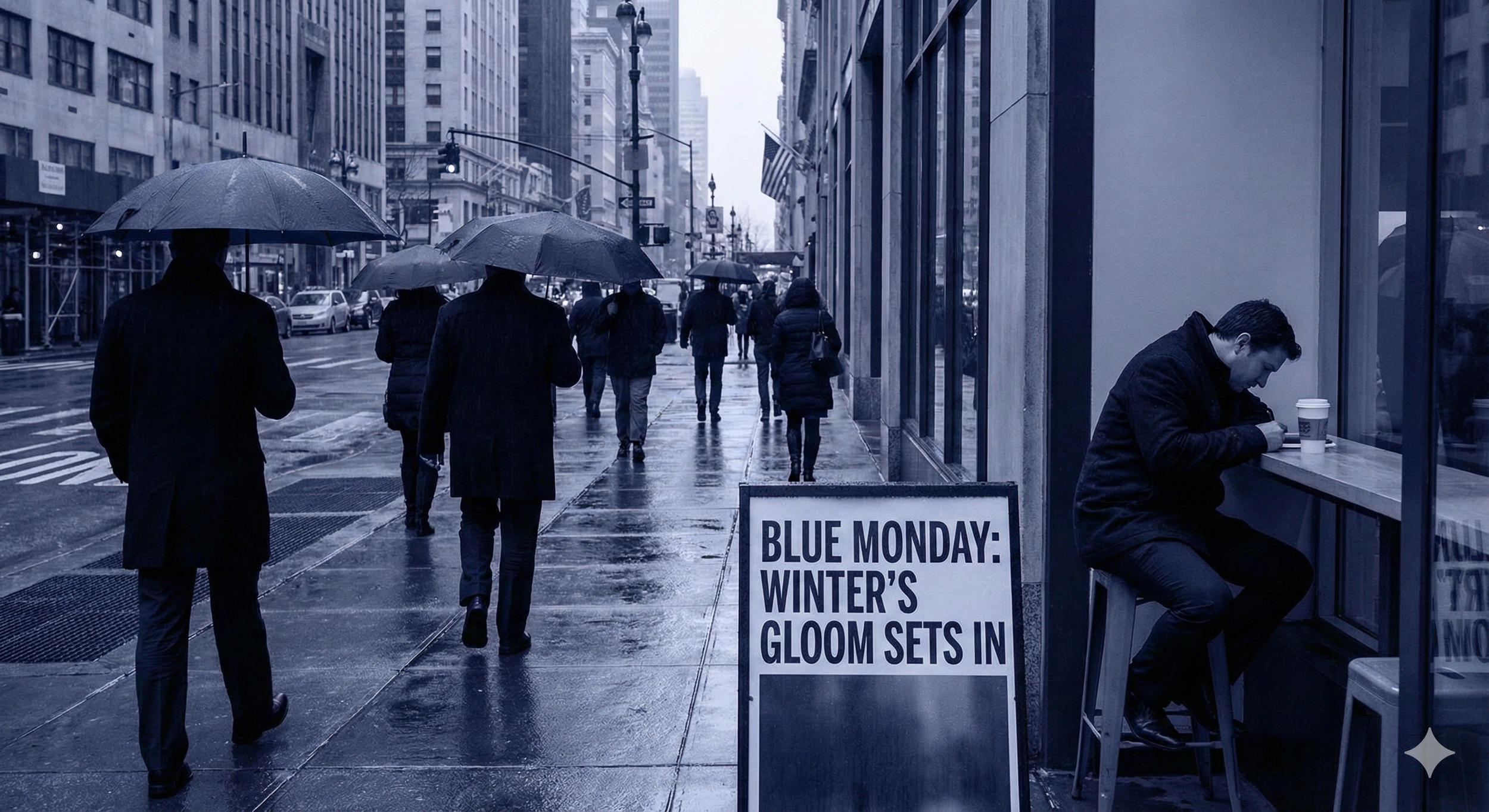
This month’s featured article from the Mental Health Foundation takes a closer look at Blue Monday, often called “the most depressing day of the year.” While there’s no scientific evidence that one specific day is more depressing than others, the article highlights an important truth: many people do experience lower mood and motivation during mid-January, and there are real, brain-based reasons why.
Here are a few key insights the article highlights:
Blue Monday isn’t scientifically real, but winter blues are. Shorter days, less sunlight, colder weather, and disrupted routines can all affect brain chemistry, mood, and energy levels during this time of year.
Light plays a powerful role in brain health. Reduced exposure to daylight can impact serotonin and circadian rhythms, which influence mood, sleep, and focus. Getting outside during daylight hours can make a meaningful difference.
Connection matters more than ever. January can feel isolating after the holidays. Staying socially connected, even in small ways, helps protect emotional well-being and supports cognitive health.
Gentle routines support the brain. Re-establishing simple daily habits, regular sleep, movement, and balanced meals can help stabilize mood and restore mental clarity after the disruptions of the holiday season.
This article reminds us that feeling low in January is common, and that small, compassionate steps can help support both mental and brain health during this transition into the new year. Taking care of your brain now sets a strong foundation for the months ahead.