The Microbiota-Gut-Brain Axis: From Motility to Mood
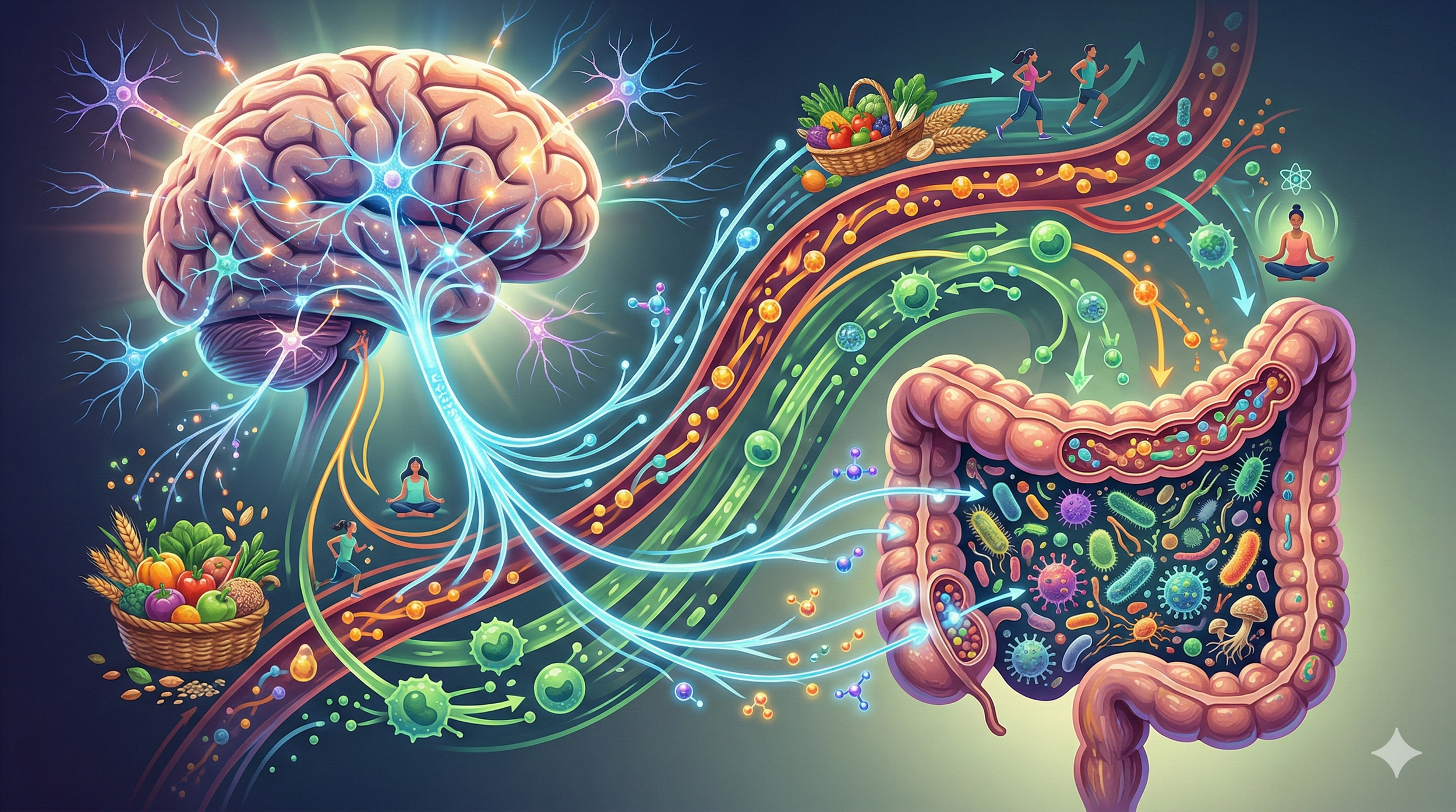
The article that Dr. Seema Goyal selected as pre-reading explores a fascinating area of neuroscience: the microbiota-gut-brain axis. This is the complex communication network linking our gut microbiome with the central nervous system, and it may play a meaningful role in brain function, mood, and even cognitive health.
What the research shows: The microbiota-gut-brain axis refers to the bidirectional signaling pathways between our gut microbes and the brain, involving neural, hormonal, and immune mechanisms. These interactions help regulate not only digestion and immune response, but also neurotransmitter systems that influence mood, stress, and behavior.
Why it matters for brain health: Gut bacteria produce or influence the production of key neurotransmitters, including serotonin, a chemical critical for mood regulation and emotional well-being. Signals from the gut travel to the brain through the vagus nerve, hormonal signals, and immune pathways, shaping brain networks involved in emotion and cognition.
A closer look at the science: This review article synthesizes evidence showing how changes in the gut microbiome may affect brain function and behavior. Although much of the detailed work so far is from animal models, the human data suggest that a healthy, balanced microbiome could support better mental health and may even influence cognitive resilience.
This research highlights a powerful idea: brain health isn’t just about what’s happening inside the skull; it’s also shaped by what’s happening in the rest of the body. Eating a nutritious, diverse diet, staying physically active, and managing stress aren’t just good for your gut; they may also help nurture a healthier, more resilient brain