Assessment of cardiovascular functioning following sport-related concussion: A physiological perspective
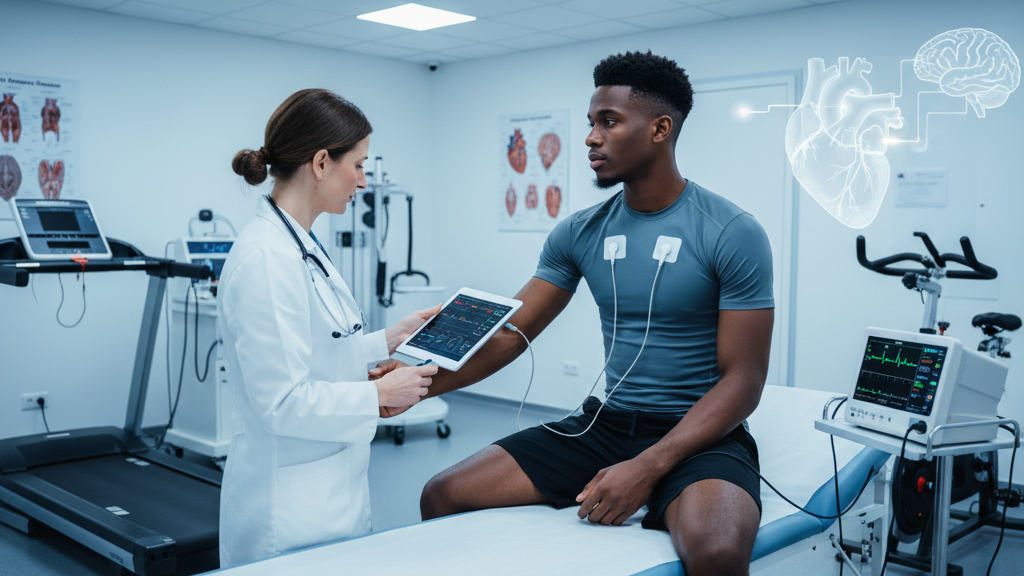
We’re excited to spotlight a published review article co-authored by Dr. J. Patrick Neary and Dr. Jyotpal Singh, both of whom have been guest speakers for our community. The paper takes an in-depth look at how sport-related concussion affects cardiovascular functioning and the broader physiological response following injury.
The authors explore emerging evidence that concussions trigger a complex neurophysiological cascade affecting not only the brain but also the autonomic nervous system and cardiovascular regulation. Their review highlights changes in heart rate variability, blood pressure variability, baroreflex sensitivity, and cardiac timing that can occur after concussion, reflecting how the body attempts to maintain stability immediately following injury.
This work underscores a growing appreciation in the field that objective physiological measures, beyond self-reported symptoms and clinical assessments, may help guide diagnosis and management of concussion, especially when recovery timelines differ between symptoms and underlying biological processes. It suggests that cardiovascular assessments could become a valuable complement to traditional concussion evaluation protocols.
Having Drs. Neary and Singh's contribution to this scholarly work reflects their ongoing leadership in advancing scientific understanding of brain-body interactions after neurological injury. Their research continues to inform how clinicians and researchers approach concussion evaluation, recovery tracking, and future rehabilitation strategies, bridging cutting-edge science with practical relevance for brain health.