The Brain Health Bulletin - March Edition
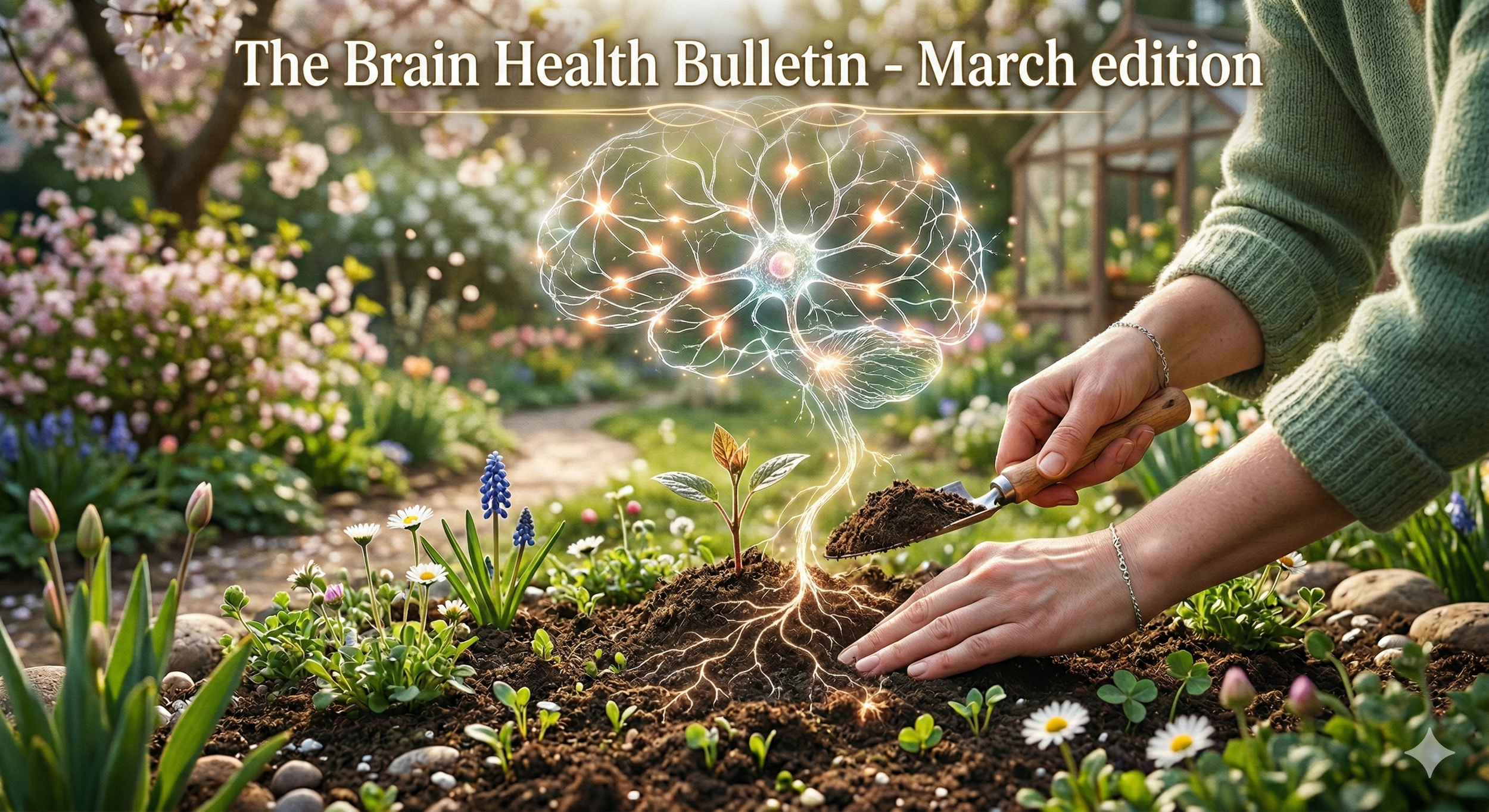
Welcome to the March edition of Holly’s monthly newsletter!
March brings the first signs of spring, a season of renewal, fresh starts, and tending to what we want to see grow. As gardens begin to awaken, we’re reminded that growth doesn’t happen by accident. It requires the right conditions: nourishment, light, consistency, and care.
Our brains are no different.
The brain is a living, dynamic organ that constantly changes and adapts. Through the science of neuroplasticity, we know it can grow new connections and strengthen existing ones throughout our lives. One of the key players in this process is Brain-Derived Neurotrophic Factor (BDNF), often nicknamed “Miracle-Gro for the brain.” BDNF supports the growth and survival of neurons, helping our brains stay resilient, flexible, and strong.
But just like a garden, BDNF doesn’t flourish in poor conditions. It thrives when we give our brains the right “soil” and “nutrients”: regular physical activity, restorative sleep, meaningful social connection, a healthy, nutrient-rich diet, stress regulation, and cognitive challenge.
This month, we invite you to think of yourself as both gardener and garden. What habits are you planting? What needs more light? What might need pruning? Small, consistent actions, taken day after day, can transform the landscape of your brain over time.
Inside this edition, you’ll find practical, science-informed strategies to help you cultivate the conditions your brain needs to grow and thrive this spring.
Here’s to a March filled with renewal, intention, and brain-healthy growth. 🌱
Did You Know?
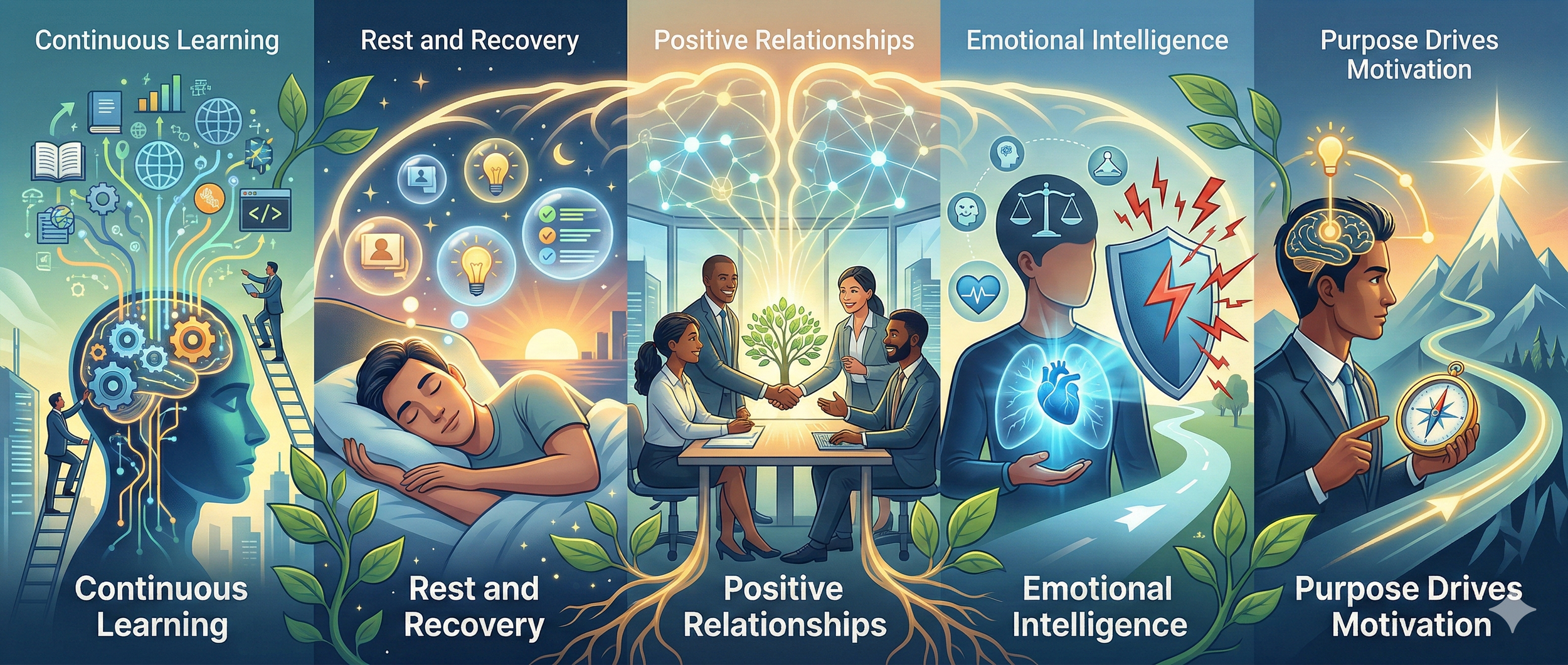
This month’s featured article from Forbes explores an important idea: the same habits that help your brain grow and adapt are also the ones that support long-term career success. Brain health and professional growth are deeply connected because our performance at work depends on cognitive flexibility, emotional regulation, resilience, and lifelong learning.
Here are a few key insights the article highlights:
Continuous learning fuels brain growth: Challenging yourself with new skills, ideas, and perspectives strengthens neural pathways and supports cognitive flexibility, a critical trait for navigating change and innovation in the workplace.
Rest and recovery are essential: Sleep and downtime aren’t signs of laziness; they’re biological necessities. The brain consolidates memory, enhances creativity, and restores focus during periods of rest.
Positive relationships enhance performance: Supportive colleagues and mentors help reduce stress and increase motivation. Social connection activates brain networks involved in emotional regulation and decision-making, improving both well-being and leadership capacity.
Emotional intelligence strengthens resilience: Developing self-awareness, empathy, and stress-management skills helps regulate the brain’s stress response system, allowing for clearer thinking under pressure.
Purpose drives motivation: When work aligns with personal meaning and values, reward pathways in the brain are activated, increasing engagement, persistence, and long-term satisfaction.
This article reminds us that career success isn’t just about productivity; it’s about creating the conditions for your brain to thrive. By prioritizing learning, rest, connection, and purpose, we support not only professional achievement but also long-term cognitive health and resilience.
The Science Behind Brain Health: Social Isolation and Cognitive Decline
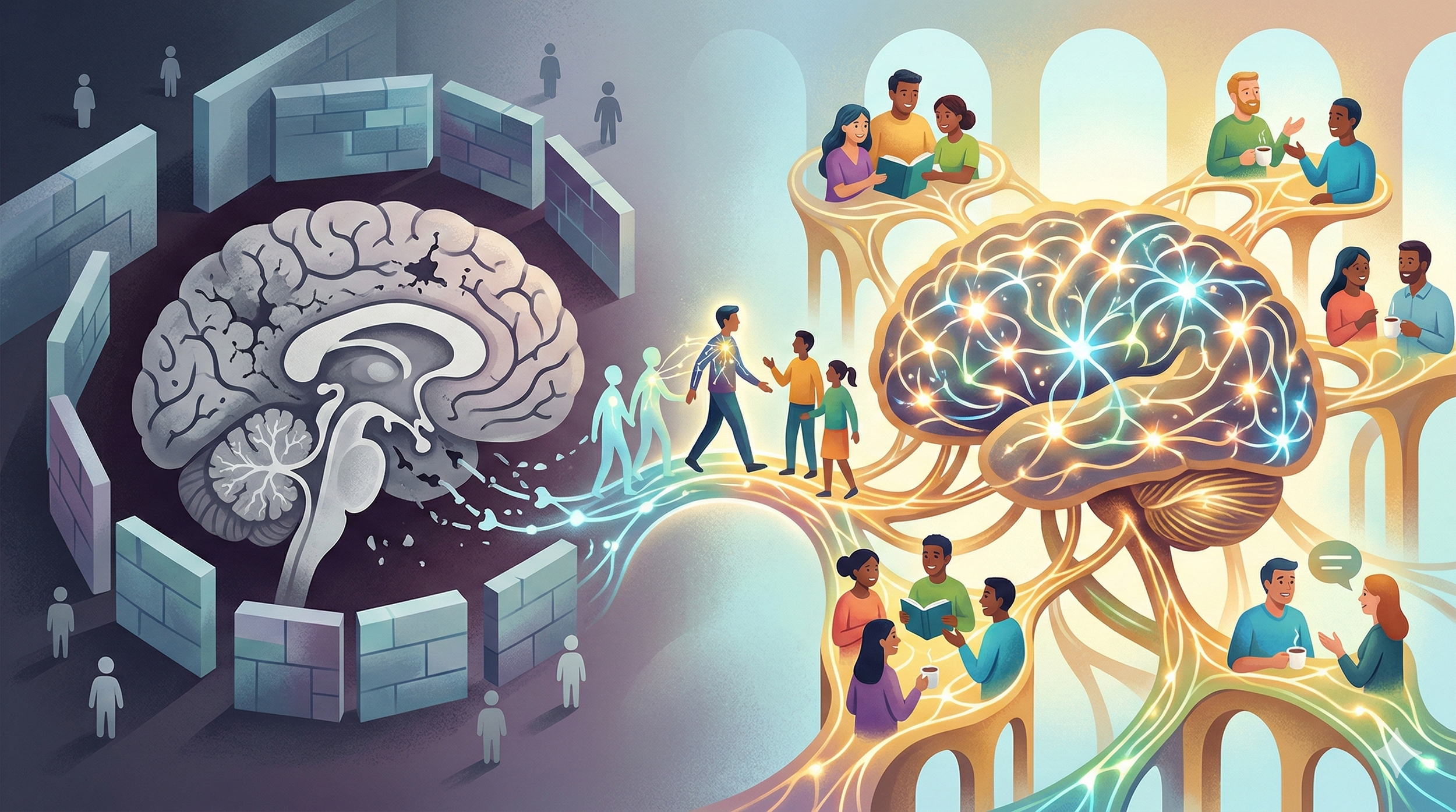
This month, we’re highlighting new research featured in Neuroscience News examining the link between social isolation and cognitive decline. The findings add to a growing body of evidence showing that limited social connection is not just emotionally challenging; it may significantly increase the risk of memory loss and dementia over time.
Key Highlights:
What the research shows: Individuals who experience social isolation have a higher risk of cognitive decline and dementia compared to those who remain socially engaged. Importantly, the risk appears to be associated with objective isolation (limited social contact), rather than simply feeling lonely.
Why it matters for brain health: Regular social interaction stimulates multiple brain networks at once, including those responsible for memory, language, attention, and emotional regulation. When these networks are underused, they may weaken over time. Social engagement, on the other hand, acts as a form of natural cognitive stimulation, helping preserve mental sharpness.
A closer look at the science: Researchers analyzed long-term population data to examine how social isolation impacts brain health outcomes. Even after accounting for other health and lifestyle factors, socially isolated individuals showed a significantly increased risk of developing dementia. The findings suggest that maintaining consistent social contact may be a protective factor for long-term cognitive resilience.
This research reinforces a powerful message: social connection is not a luxury; it’s a biological necessity for a healthy brain. Just as exercise strengthens muscles, meaningful interaction strengthens neural pathways. By prioritizing community, conversation, and connection, we actively support our cognitive health now and in the years ahead.
Extra Academic Spotlight: The Gut-Brain Axis — Why Your Microbiome Matters for Mood & Brain Health
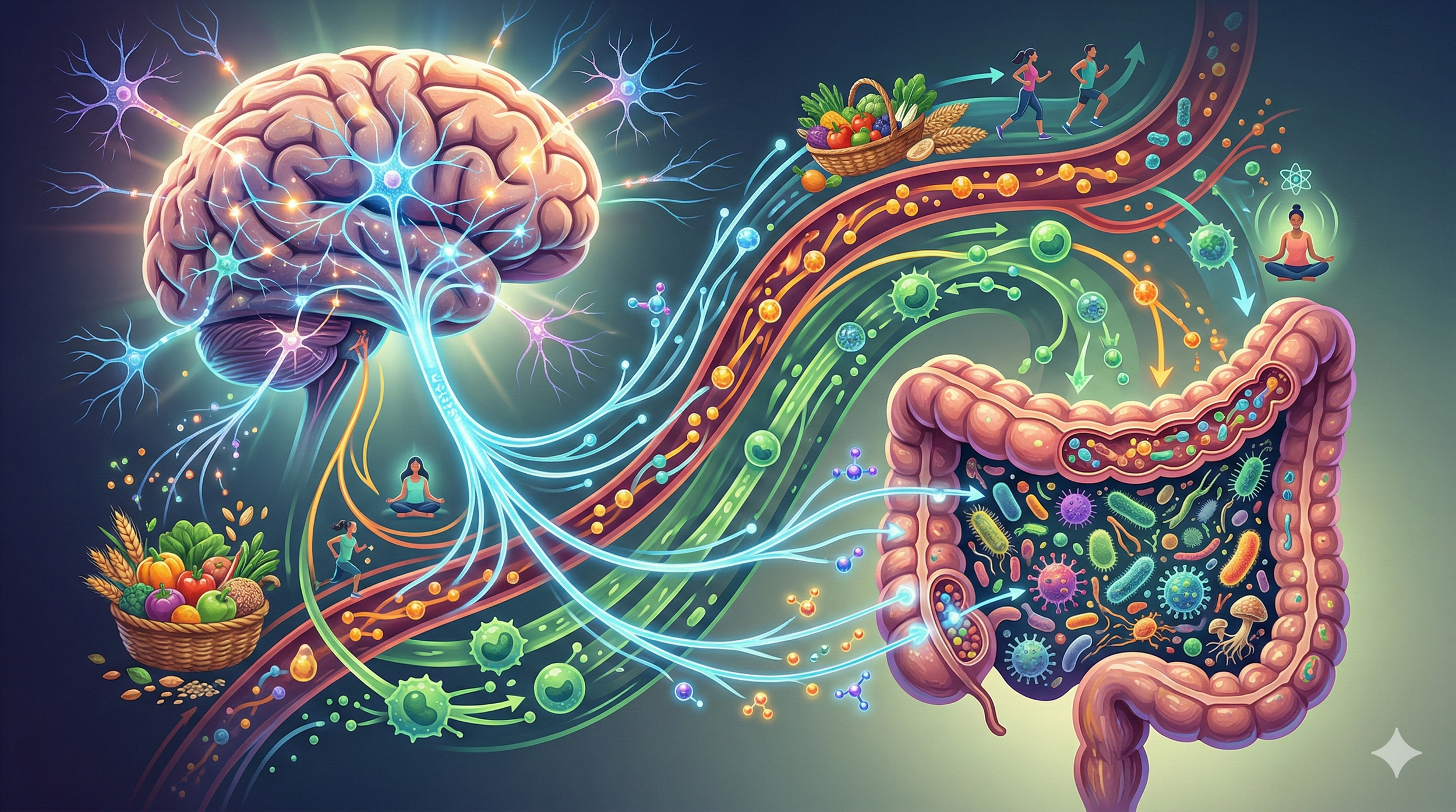
The article that Dr. Seema Goyal selected as pre-reading explores a fascinating area of neuroscience: the microbiota-gut-brain axis. This is the complex communication network linking our gut microbiome with the central nervous system, and it may play a meaningful role in brain function, mood, and even cognitive health.
What the research shows: The microbiota-gut-brain axis refers to the bidirectional signaling pathways between our gut microbes and the brain, involving neural, hormonal, and immune mechanisms. These interactions help regulate not only digestion and immune response, but also neurotransmitter systems that influence mood, stress, and behavior.
Why it matters for brain health: Gut bacteria produce or influence the production of key neurotransmitters, including serotonin, a chemical critical for mood regulation and emotional well-being. Signals from the gut travel to the brain through the vagus nerve, hormonal signals, and immune pathways, shaping brain networks involved in emotion and cognition.
A closer look at the science: This review article synthesizes evidence showing how changes in the gut microbiome may affect brain function and behavior. Although much of the detailed work so far is from animal models, the human data suggest that a healthy, balanced microbiome could support better mental health and may even influence cognitive resilience.
This research highlights a powerful idea: brain health isn’t just about what’s happening inside the skull; it’s also shaped by what’s happening in the rest of the body. Eating a nutritious, diverse diet, staying physically active, and managing stress aren’t just good for your gut; they may also help nurture a healthier, more resilient brain
Recent Research & Recognition: New Brain Research from the Brain Health Wellness Lab
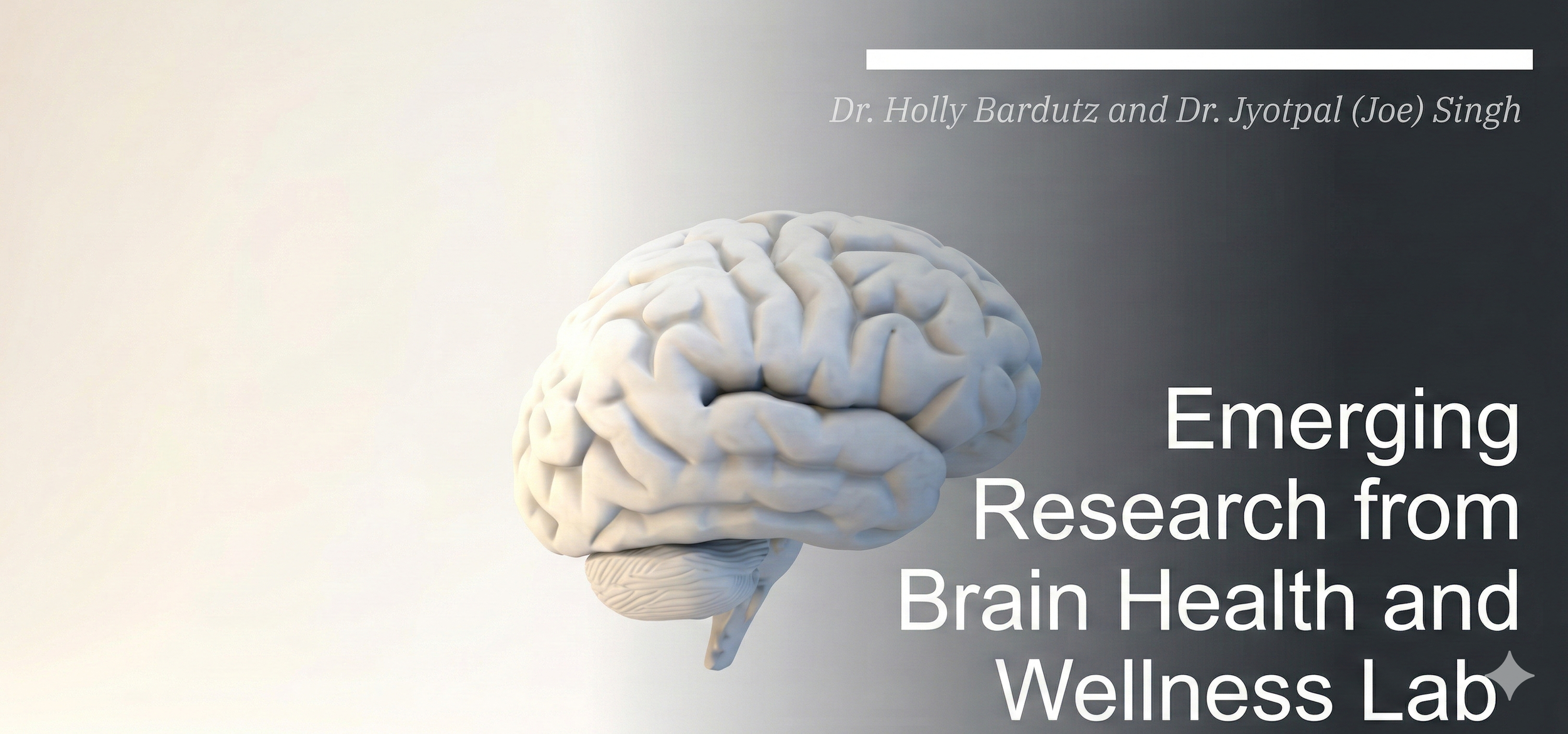
We’re excited to share a recording from a recent event led by Holly Bardutz at the Sunrise Public Library for the Parkinson Canada Support Group: Regina Chapter on January 7th, 2026. In this session, Holly presented the latest research emerging from the University of Regina Brain Health and Wellness Lab, focusing on Parkinson’s disease and the brain-body connections that influence health and quality of life. (Watch the video here)
What you’ll learn from this session: Holly highlights recent findings on how Parkinson’s disease affects neural networks and motor function, and explores strategies for maintaining cognitive and physical health through lifestyle interventions. The talk emphasizes the importance of early detection, brain resilience, and practical approaches to supporting overall well-being in Parkinson’s patients.
Why it matters for our community: This presentation offers valuable insights for caregivers, healthcare professionals, and anyone interested in understanding the latest advances in Parkinson’s research. By bridging rigorous science with real-world applications, Holly demonstrates how targeted interventions can help maintain independence, cognitive function, and quality of life.
For members who weren’t able to attend in person, this video is a great opportunity to catch up on cutting-edge research and see how the University of Regina Brain Health and Wellness Lab is contributing to the Parkinson’s community.
From Holly and all of us at Community & Company, we hope you’ve enjoyed this month's edition of The Brain Science Bulletin!
If you know someone who would find this newsletter helpful, feel free to share it with them. They can also join our mailing list by signing up at the bottom of our website’s Contact Page.
Thank you for being part of our community. We appreciate you! See you in the next edition.
Warm regards,
Holly Bardutz and the Community & Company Team
“You make your brain, then your brain makes you!”
Disclaimer: The information provided here is for educational purposes only and is not intended as medical advice. Always consult a qualified healthcare professional for medical concerns or treatment.