The Brain Health Bulletin - February Edition
Welcome to the February edition of Holly’s monthly newsletter!
February is a month that naturally draws our attention to connection, love, and relationships. Whether it’s romantic love, friendship, or family bonds, nurturing these meaningful connections can have a profoundly positive impact on our brains and overall well-being. Science shows that positive social interactions support emotional regulation, reduce stress, and even help preserve cognitive function over time.
While February often highlights grand gestures, research reminds us that consistent, small acts of kindness, appreciation, and connection are what truly strengthen our relationships—and our brains. Simple habits like heartfelt conversations, shared experiences, and expressing gratitude can foster emotional resilience and boost mental health.
Inside this edition, you’ll find practical, science-informed tips for enhancing your relationships while supporting your brain, helping you cultivate connection, warmth, and well-being this month and beyond.
Here’s to a February filled with curiosity, connection, and heart-healthy habits.
Did You Know?

This month’s featured article from Clear Medica focuses on Healthy Relationships Awareness, highlighting how strong, respectful connections play an essential role in both emotional and brain health. Our relationships influence how we think, feel, and respond to stress, shaping our well-being in powerful ways.
Here are a few key insights the article highlights:
Healthy relationships support mental and brain health. Positive, supportive connections can reduce stress, improve mood, and strengthen emotional resilience. Feeling valued and understood helps regulate stress hormones and supports overall cognitive function.
Communication is key. Open, honest, and respectful communication helps build trust and emotional safety. When we feel heard, our brains are better able to manage conflict, process emotions, and maintain psychological balance.
Boundaries protect well-being. Healthy relationships involve clear, respectful boundaries that support independence and self-worth. These boundaries help reduce emotional strain and prevent chronic stress, which can have a negative impact on brain health over time.
Mutual respect strengthens the connection. Relationships built on respect, kindness, and empathy create a sense of security. This emotional safety supports better decision-making, emotional regulation, and long-term mental wellness.
This article reminds us that healthy relationships are not just good for the heart—they’re good for the brain too. By nurturing respectful, supportive connections, we can strengthen both our emotional well-being and cognitive health, now and in the months ahead.
The Science Behind Brain Health:
How Relationships Shape Our Well-Being

This month, we’re highlighting an in-depth research article published in Social Science & Medicine that explores how close relationships influence both mental and physical health across the lifespan. The study shows that the quality of our social connections plays a powerful role in stress regulation, emotional well-being, and long-term health outcomes.
Key Highlights:
What the research shows: Strong, supportive relationships are linked to better mental health, lower stress levels, and improved physical health. Individuals with positive social connections tend to experience fewer symptoms of depression and anxiety and show better overall life satisfaction.
Why it matters for brain health: Healthy relationships help regulate the body’s stress response system. Chronic stress can negatively affect brain areas involved in memory, emotion, and decision-making, while supportive relationships act as a buffer, protecting cognitive and emotional functioning over time.
A closer look at the science: The researchers examined long-term data across multiple populations and life stages, focusing on how relationship quality (not just the number of relationships) influences health. Findings showed that emotionally supportive, stable connections were more strongly associated with positive health outcomes than simply having many social contacts.
This research highlights an important message: meaningful relationships aren’t just emotionally fulfilling, they’re also essential for long-term brain and body health. By nurturing supportive, respectful connections, we can strengthen resilience, reduce stress, and support cognitive well-being throughout life.
Recent Research & Recognition: New Insights Into Concussion and Cardiovascular Function
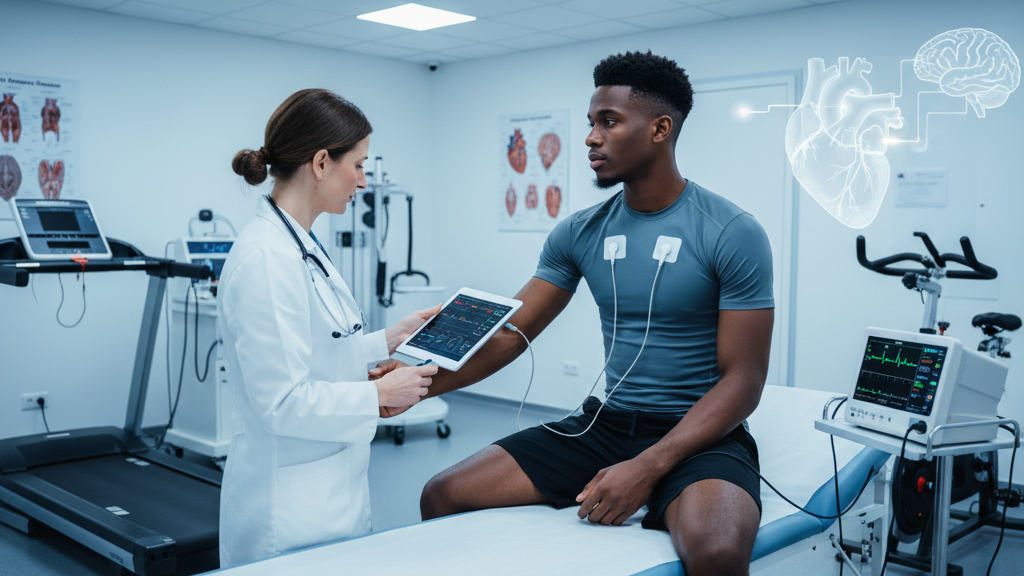
We’re excited to spotlight a published review article co-authored by Dr. J. Patrick Neary and Dr. Jyotpal Singh, both of whom have been guest speakers for our community. The paper takes an in-depth look at how sport-related concussion affects cardiovascular functioning and the broader physiological response following injury.
The authors explore emerging evidence that concussions trigger a complex neurophysiological cascade affecting not only the brain but also the autonomic nervous system and cardiovascular regulation. Their review highlights changes in heart rate variability, blood pressure variability, baroreflex sensitivity, and cardiac timing that can occur after concussion, reflecting how the body attempts to maintain stability immediately following injury.
This work underscores a growing appreciation in the field that objective physiological measures, beyond self-reported symptoms and clinical assessments, may help guide diagnosis and management of concussion, especially when recovery timelines differ between symptoms and underlying biological processes. It suggests that cardiovascular assessments could become a valuable complement to traditional concussion evaluation protocols.
Having Drs. Neary and Singh's contribution to this scholarly work reflects their ongoing leadership in advancing scientific understanding of brain-body interactions after neurological injury. Their research continues to inform how clinicians and researchers approach concussion evaluation, recovery tracking, and future rehabilitation strategies, bridging cutting-edge science with practical relevance for brain health.
From Holly and all of us at Community & Company, we hope you’ve enjoyed this month's edition of The Brain Science Bulletin!
If you know someone who would find this newsletter helpful, feel free to share it with them. They can also join our mailing list by signing up at the bottom of our website’s Contact Page.
Thank you for being part of our community. We appreciate you! See you in the next edition.
Warm regards,
Holly Bardutz and the Community & Company Team
“You make your brain, then your brain makes you!”
Disclaimer: The information provided here is for educational purposes only and is not intended as medical advice. Always consult a qualified healthcare professional for medical concerns or treatment.