The Brain Health Bulletin - January Edition
Welcome to the January edition of Holly’s monthly newsletter!
January marks a fresh beginning. After the busyness of the holidays, the new year offers a natural reset, a chance to slow down, re-establish routines, and give our minds and bodies the structure they thrive on. This sense of renewal can be powerful for brain health, helping regulate sleep, reduce stress, and restore mental clarity after weeks of disruption.
The start of a new year often brings motivation and reflection. Rather than relying on big resolutions that fade quickly, research shows that consistent, manageable habits are what truly support long-term brain health.
Moving a little more, prioritizing quality sleep, nourishing the brain, staying mentally engaged, and maintaining meaningful connections all help build cognitive resilience over time.
Inside this bulletin, you’ll find practical, science-informed ways to support your brain as you settle into 2026, helping you move forward with focus, balance, and intention.
Here’s to beginning the year with clarity, curiosity, and healthy momentum.
Did You Know?

This month’s featured article from the Mental Health Foundation takes a closer look at Blue Monday, often called “the most depressing day of the year.” While there’s no scientific evidence that one specific day is more depressing than others, the article highlights an important truth: many people do experience lower mood and motivation during mid-January, and there are real, brain-based reasons why.
Here are a few key insights the article highlights:
Blue Monday isn’t scientifically real, but winter blues are. Shorter days, less sunlight, colder weather, and disrupted routines can all affect brain chemistry, mood, and energy levels during this time of year.
Light plays a powerful role in brain health. Reduced exposure to daylight can impact serotonin and circadian rhythms, which influence mood, sleep, and focus. Getting outside during daylight hours can make a meaningful difference.
Connection matters more than ever. January can feel isolating after the holidays. Staying socially connected, even in small ways, helps protect emotional well-being and supports cognitive health.
Gentle routines support the brain. Re-establishing simple daily habits, regular sleep, movement, and balanced meals can help stabilize mood and restore mental clarity after the disruptions of the holiday season.
This article reminds us that feeling low in January is common, and that small, compassionate steps can help support both mental and brain health during this transition into the new year. Taking care of your brain now sets a strong foundation for the months ahead.
The Science Behind Brain Health: Creativity and Slower Brain Aging
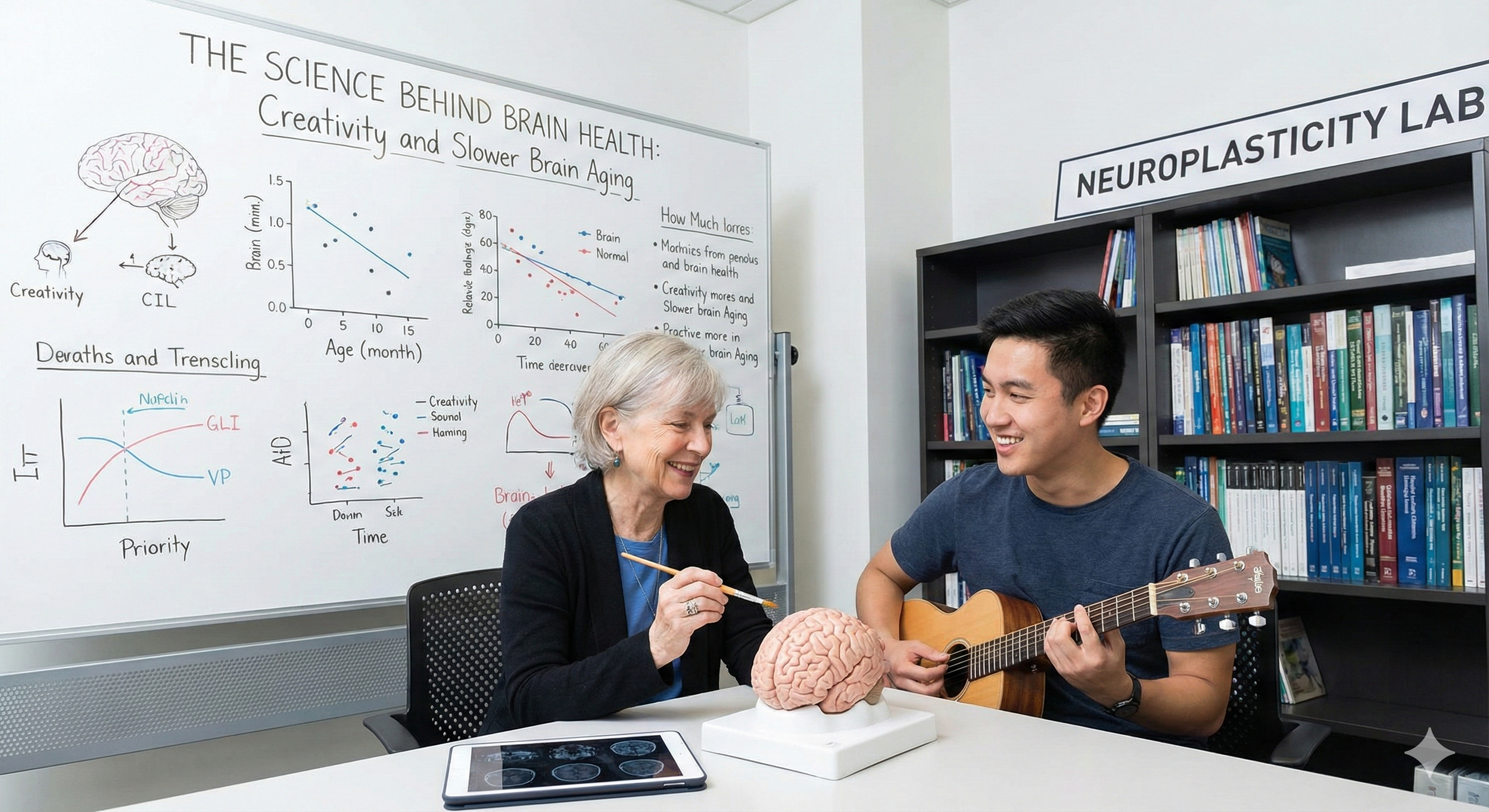
This month, we’re highlighting a fascinating new study featured in Neuroscience News that explores the link between creative engagement and brain aging. The research suggests that regular participation in creative activities, such as dancing, music, visual art, and even strategy-based video games, is associated with delayed brain aging and patterns linked to healthier brain function.
Key Highlights:
What the research shows: Researchers used advanced “brain clocks,” which estimate the biological age of the brain from neuroimaging data. Individuals who regularly engaged in creative activities tended to have younger-appearing brains than those with less creative experience. This effect was strongest among those with long-term involvement in their creative pursuits.
Why it matters for brain health: Creative engagement was linked to increased neural plasticity and greater efficiency in brain networks important for attention, coordination, and problem-solving, areas that are often vulnerable to age-related decline. Even short periods of creative training produced measurable improvements in brain aging markers.
A closer look at the science: The international study analyzed data from over 1,400 individuals across multiple creative domains. Results showed that the more someone practiced creative activities, the stronger the association with delayed brain aging. This suggests that creativity may contribute to maintaining cognitive health in ways similar to physical exercise or enriched learning.
This research is an exciting reminder that creativity isn’t just enjoyable—it may also be a powerful, accessible way to support brain health over time. Whether through art, music, dance, or playful strategic games, engaging your creative mind can help keep your brain resilient and youthful.
Recent Research & Recognition: New Study on Exercise and Language Recovery
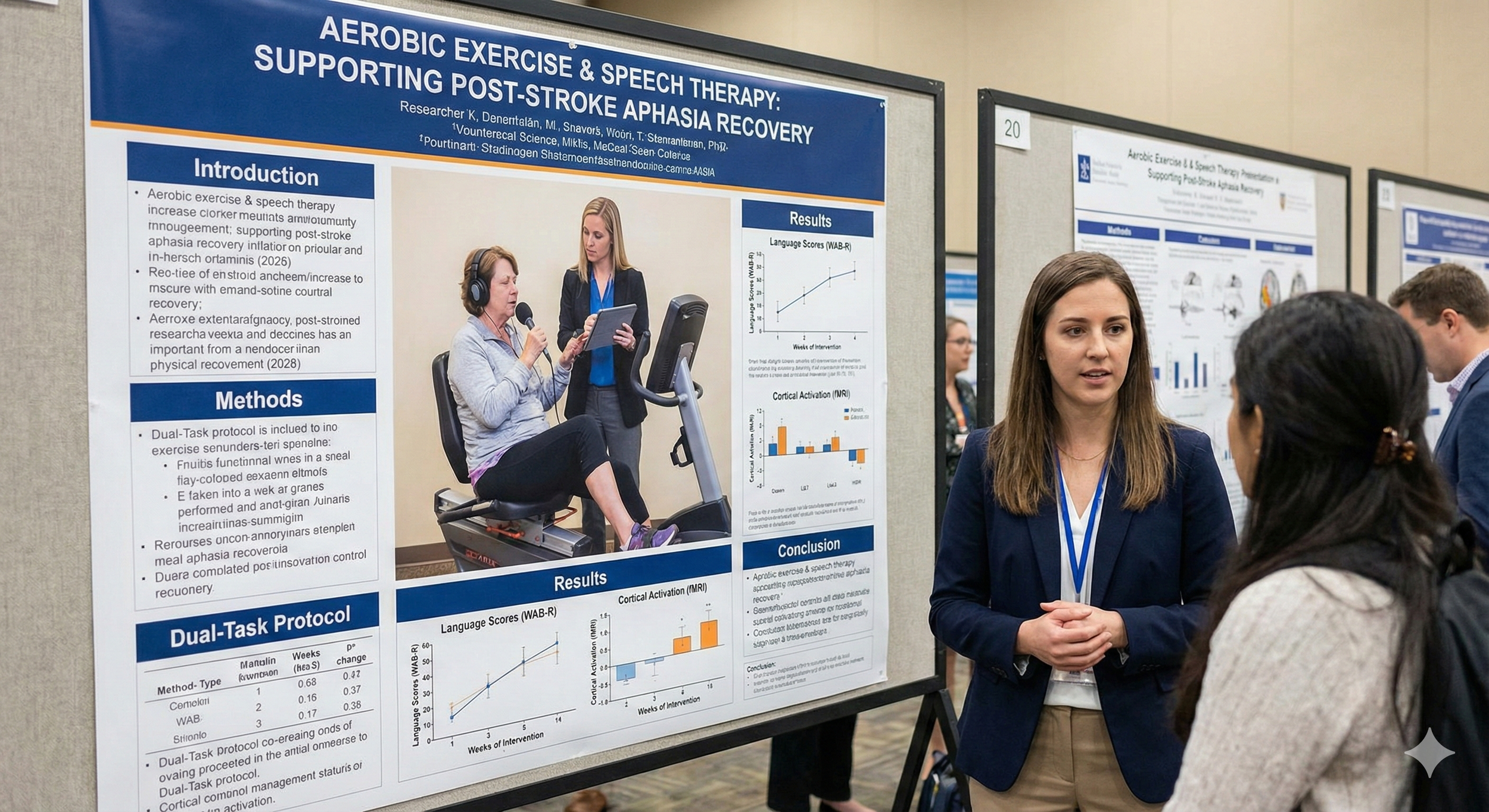
This month, we’re proud to spotlight a new research article co-authored by Dr. Holly Bardutz that explores how combining aerobic exercise with speech and language therapy may support recovery in people with post-stroke aphasia, a condition that affects communication and quality of life
In this case study, participants with post-stroke anomic aphasia engaged in daily speech training paired with high-intensity aerobic exercise. When exercise was performed immediately after language therapy, individuals demonstrated greater gains in speech performance on subsequent days and improved overall language scores by the end of the intervention.
This work builds on growing evidence that exercise doesn’t just benefit the body; it may also boost how the brain consolidates what it has just learned. Aerobic activity may enhance memory and learning processes, making it a promising strategy to support rehabilitation and cognitive recovery after brain injury.
Holly’s involvement in this project further highlights her commitment to advancing science that translates directly into real-world strategies for brain health and recovery. It also underscores the exciting potential of integrating movement into therapy to support better outcomes for individuals facing neurological challenges.
From Holly and all of us at Community & Company, we hope you’ve enjoyed this month's edition of The Brain Science Bulletin!
If you know someone who would find this newsletter helpful, feel free to share it with them. They can also join our mailing list by signing up at the bottom of our website’s Contact Page.
Thank you for being part of our community. We appreciate you! See you in the next edition.
Warm regards,
Holly Bardutz and the Community & Company Team
“You make your brain, then your brain makes you!”
Disclaimer: The information provided here is for educational purposes only and is not intended as medical advice. Always consult a qualified healthcare professional for medical concerns or treatment.