The Brain Health Bulletin - April Edition
Welcome to the April edition of Holly’s monthly newsletter!
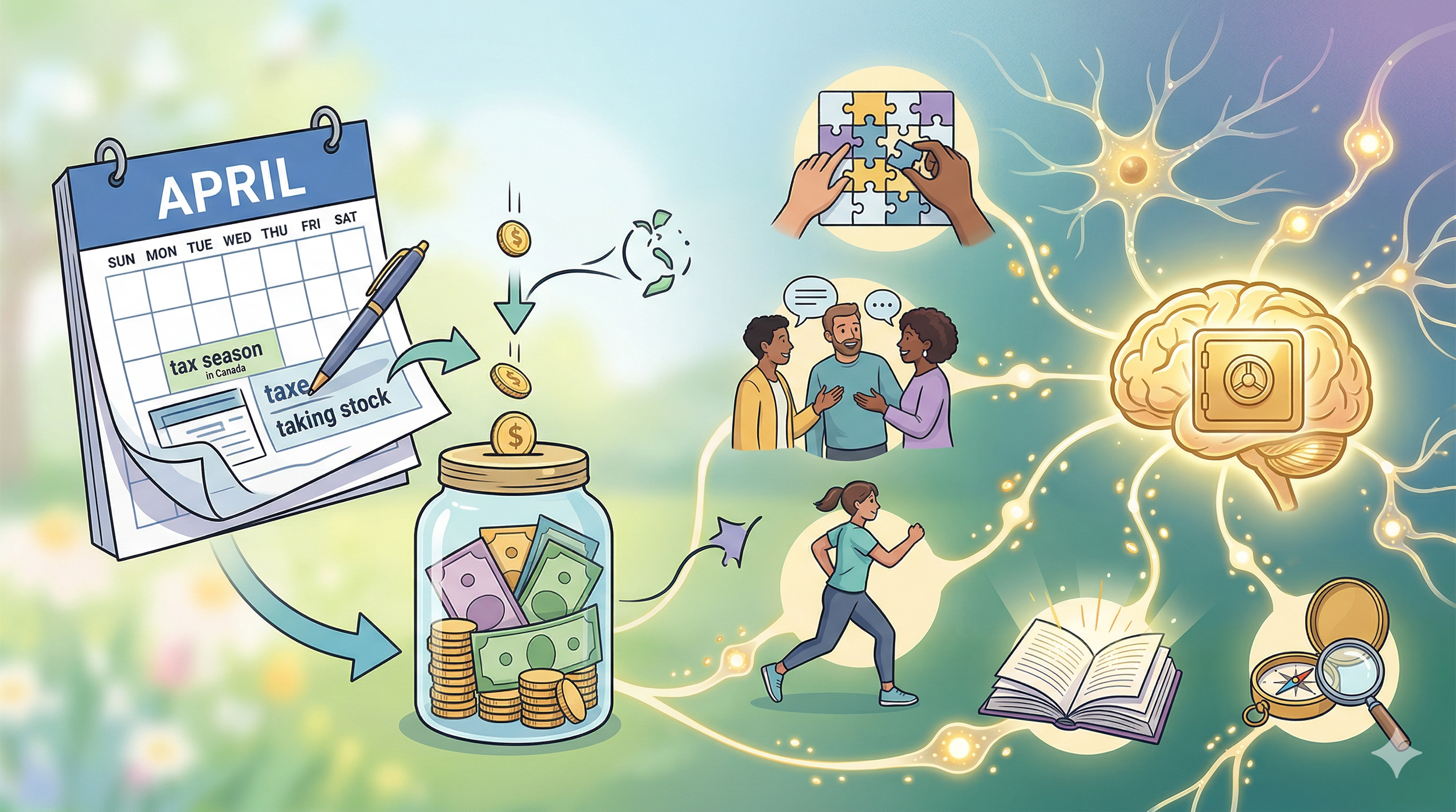
April marks tax season in Canada, a time when we pause to take stock of our finances, reflect on our habits, and plan for the future. It’s a season grounded in responsibility, foresight, and the understanding that small, consistent contributions today can shape our quality of life tomorrow.
But what if we applied that same mindset beyond our finances?
What if we thought about our brain in the same way we think about our retirement savings?
In neuroscience, there’s a powerful concept known as cognitive reserve, the brain’s ability to adapt, compensate, and continue functioning even as we age or face challenges such as injury or disease. Much like a financial cushion, cognitive reserve provides resilience. It supports our ability to think clearly, stay independent, and engage fully in life over time.
The parallel is striking.
Just as we build financial security through steady investments, we build brain health through daily choices. Every time we learn something new, stay socially connected, challenge our thinking, move our bodies, or remain curious, we are investing in our brain's "retirement fund' — the kind of brain we want to live with later.
And like any good investment strategy, it’s not about one big contribution; it’s about consistency over time.
This month, we invite you to reflect on how you’re investing in your future, not just financially, but cognitively. What small actions are you taking today that your future self will thank you for?
Inside this edition, you’ll find insights and practical strategies to help you strengthen your cognitive reserve and build a brain that supports you for years to come.
Here’s to an April of thoughtful investment, in every sense of the word.
Did You Know?
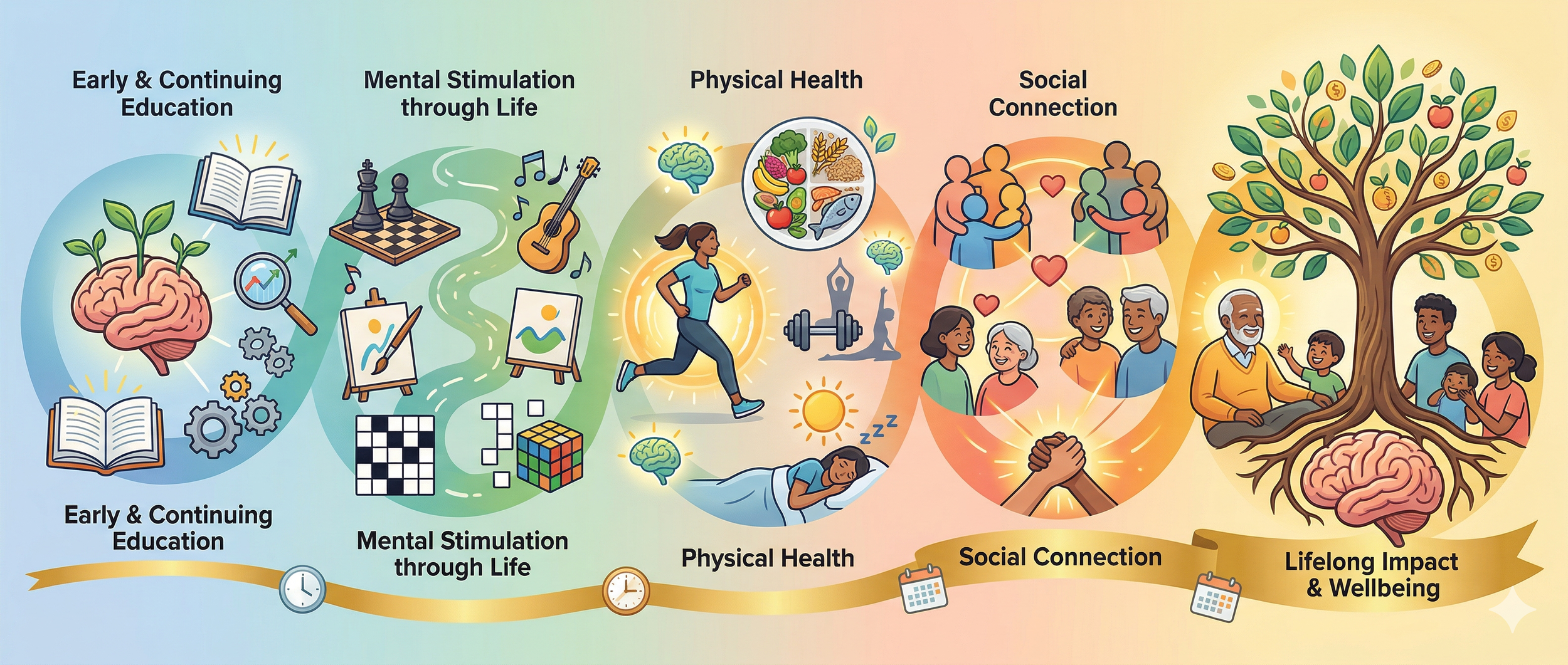
This month’s featured article from The Conversation highlights a powerful and reassuring message: it’s never too early, or too late, to support your cognitive health. The habits we build over our lifespans play a key role in how well our brains function as we age, reinforcing the idea that brain health is a lifelong investment.
Here are a few key insights from the article:
Brain health is shaped across the lifespan: Cognitive health isn’t determined at one moment in time. From early education to midlife habits and later-life engagement, each stage of life contributes to the brain's resilience and adaptability.
Education and lifelong learning matter: Early and continued learning help build a strong cognitive foundation. Engaging in mentally stimulating activities throughout life strengthens neural connections and supports cognitive reserve.
Physical health supports brain health: Regular exercise, a balanced diet, quality sleep, and managing conditions like high blood pressure or diabetes all play a crucial role in maintaining cognitive function over time.
Social connection is protective: Staying socially engaged helps reduce the risk of cognitive decline. Meaningful interactions stimulate the brain and support emotional well-being, both of which are essential for long-term brain health.
Small habits add up over time: The article emphasizes that consistent, everyday actions, like staying active, curious, and connected, can significantly reduce the risk of cognitive decline and support independence later in life.
This article reinforces an empowering idea: maintaining cognitive health isn’t about one major change, but about the accumulation of small, intentional choices made over time. Just like building financial security, investing in your brain today can help protect your quality of life in the future.
The Science Behind Brain Health: Cognitive Reserve, Lifestyle, and Brain Resilience
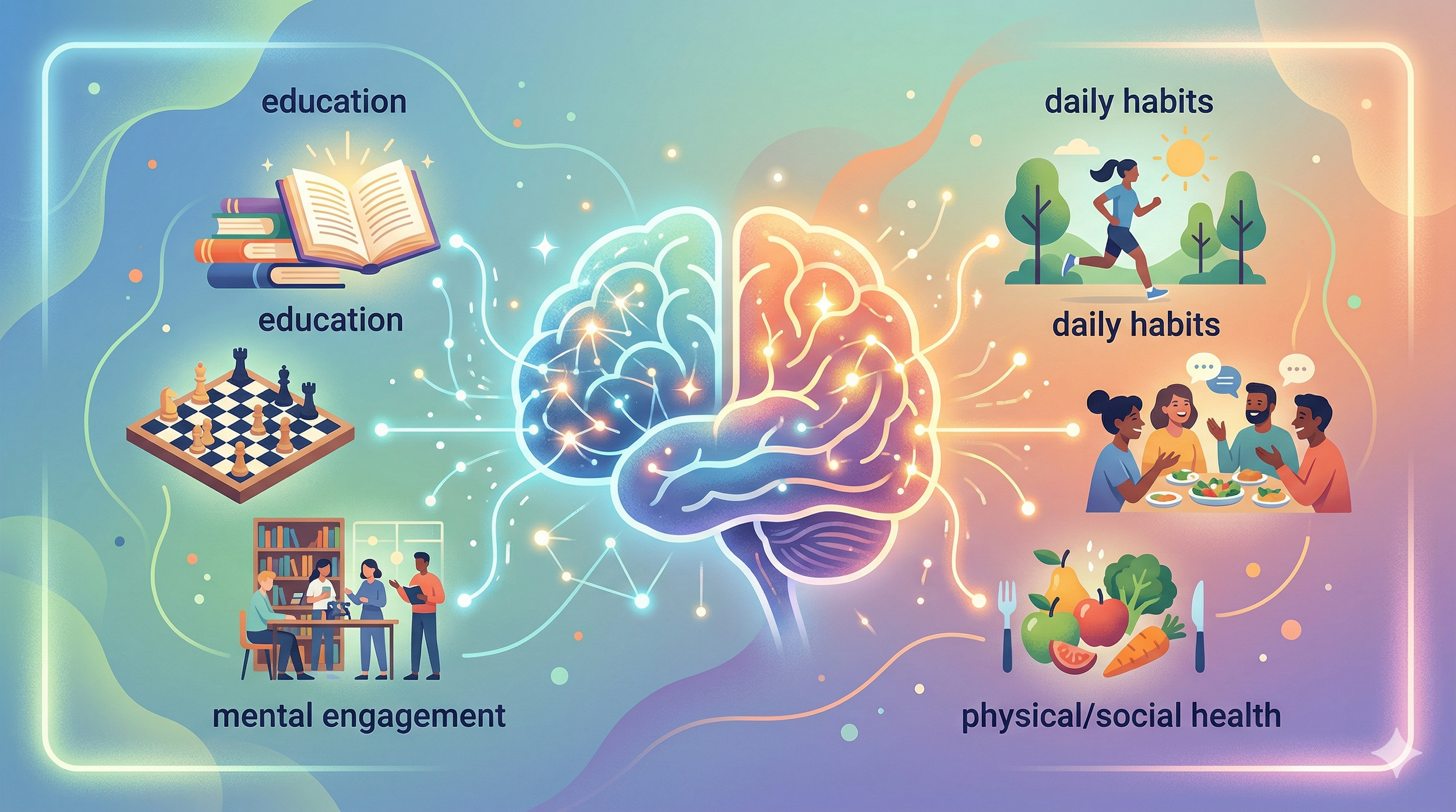
This month, we’re highlighting recent research exploring how lifestyle factors contribute to cognitive reserve and long-term brain resilience. The study adds to a growing body of evidence showing that the way we live, across education, daily habits, and engagement, can meaningfully influence how well our brains adapt to aging and neurological change.
Key Highlights:
What the research shows: The study examines how various life experiences and lifestyle factors contribute to cognitive reserve, the brain’s ability to maintain function despite age-related changes or disease. Individuals with higher cognitive reserve tend to show better cognitive performance, even when there are underlying brain changes.
Why it matters for brain health: Cognitive reserve helps the brain work more efficiently and flexibly. It allows individuals to compensate for disruptions by using alternative neural pathways or strategies, supporting memory, reasoning, and everyday functioning for longer.
A closer look at the science: Researchers analyzed how factors such as education, occupation, and ongoing mental and social engagement influence cognitive outcomes. The findings suggest that both early-life experiences and mid- to late-life habits play a role in strengthening brain networks and supporting resilience.
The long-term impact: Higher cognitive reserve is associated with a delayed onset of cognitive decline and improved ability to cope with neurological challenges. Importantly, the research reinforces that building this reserve is an ongoing process, shaped by consistent, everyday behaviors over time.
This study underscores a key message from this month’s theme: investing in your brain is a lifelong process. Just like financial planning, the benefits of these investments accumulate gradually, helping to protect your independence, adaptability, and quality of life as you age.
Extra Academic Spotlight: Financial Strain as a Risk Factor for Cognitive Decline
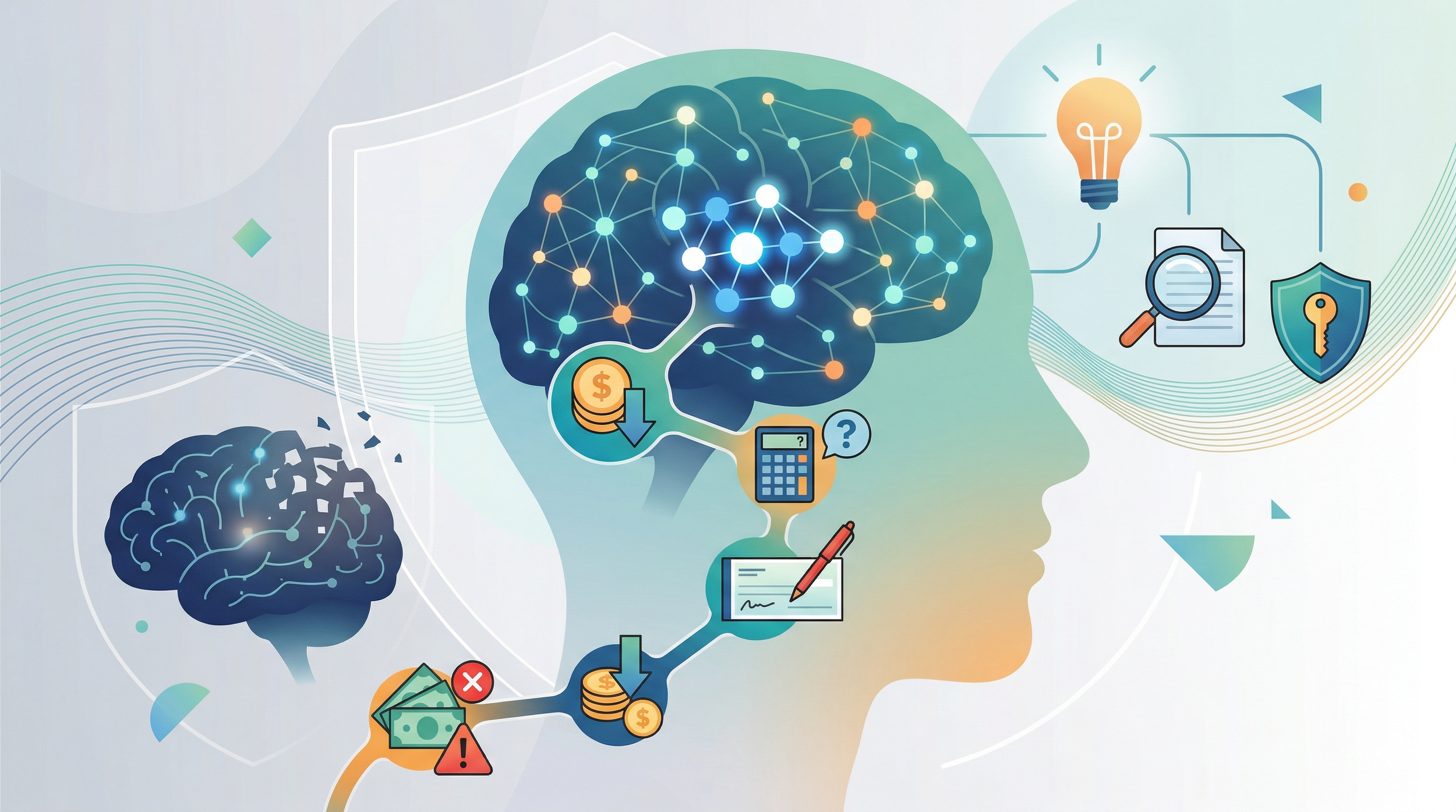
This month’s spotlight article from Neuroscience News highlights an important and often overlooked factor in brain health: the relationship between financial strain and the risk of cognitive decline. This research points to financial hardship itself as a potential contributor to long-term brain health outcomes.
What the research shows: The study found that individuals experiencing financial strain, such as difficulty covering basic expenses or lacking financial resources, may face a higher risk of developing cognitive impairment or dementia later in life. Financial stress appears to act as a chronic burden that can influence brain health over time.
Why it matters for brain health: Financial strain is more than an economic issue; it is a significant source of ongoing stress. Chronic stress has been linked to changes in brain structure and function, particularly in areas involved in memory and learning. Over time, this sustained stress response may increase vulnerability to cognitive decline.
A closer look at the science: Researchers examined long-term data tracking both financial status and cognitive health. They found that those who reported persistent financial difficulties were more likely to experience declines in cognitive function as they aged, even when accounting for other health and demographic factors.
The real-world impact: These findings highlight the importance of considering social and economic factors as part of brain health. Addressing financial stress through support systems, planning, and resources may play a meaningful role in reducing risk and supporting cognitive resilience over time.
This research expands our understanding of brain health by showing that risk factors are not only biological but also shaped by life circumstances. Supporting financial well-being may be an important and practical step toward protecting cognitive health in the long term.
Recent Research & Recognition: Welcoming the Next Generation of Speech-Language Researchers 💬🧠
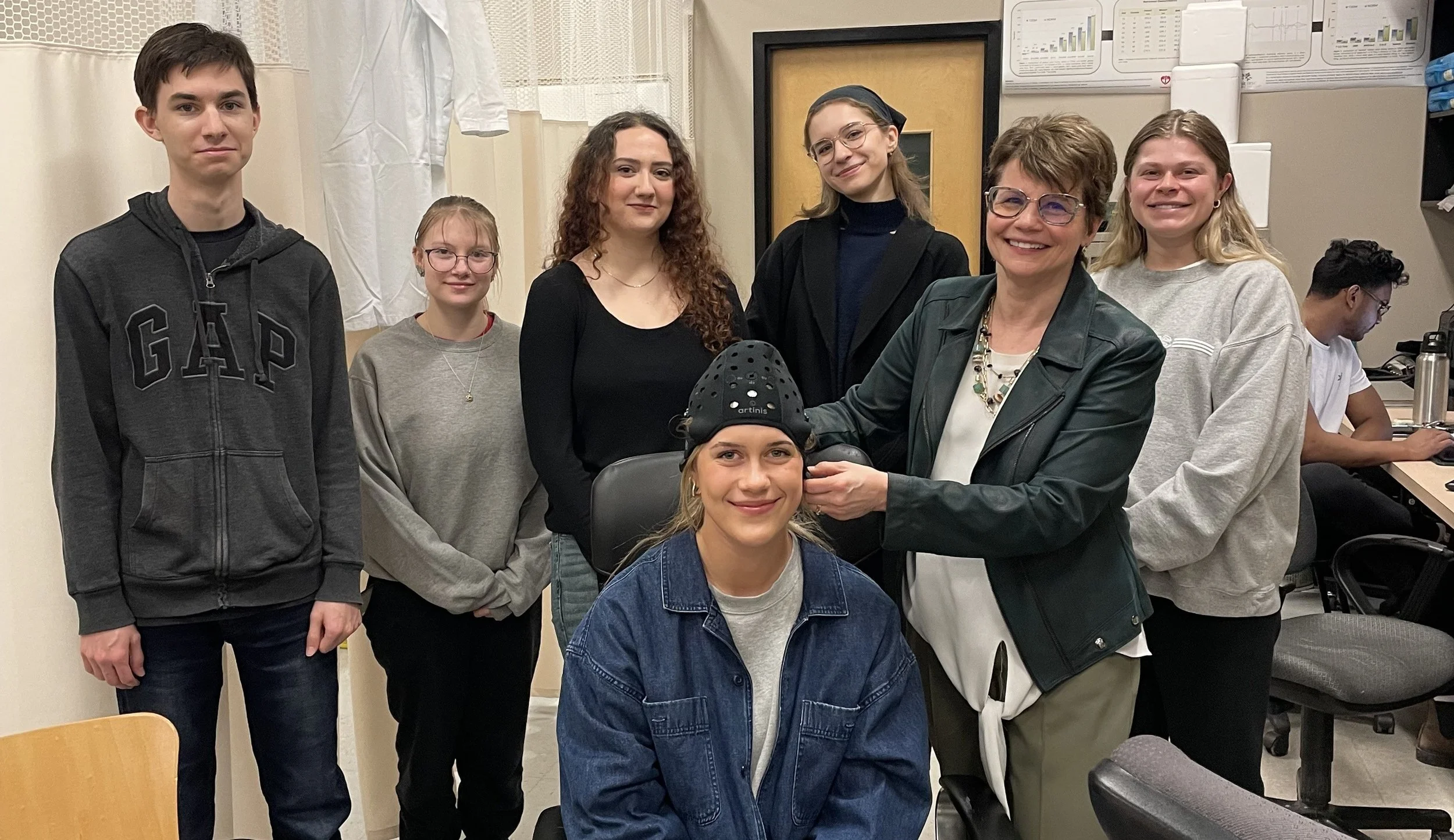
Holly recently welcomed linguistics students from the University of Regina into her Brain Health and Wellness Lab for an engaging introduction to neurolinguistics, the fascinating field that explores how the brain understands, processes, and produces language. Students saw firsthand how brain science and language intersect, from how we retrieve words in everyday conversation to what happens when language pathways are disrupted by injury or disease.
Neurolinguistics sits at the crossroads of linguistics, psychology, and neuroscience, helping us better understand not only communication but also brain health, recovery, and cognitive resilience. Many of the students who attended are planning to pursue graduate studies in Speech-Language Pathology, making these conversations especially meaningful as they envision their future clinical and research careers.
This theme was also brought to life in Holly’s recent March event on socialization and conversation, where she explored how meaningful interaction plays a critical role in maintaining brain health. For those who were unable to attend or would like to revisit the discussion, the recording of the session is now available for purchase.
What stood out most, both in the lab and during the event, is how closely this field connects to a key takeaway: conversation is one of the most powerful tools we have for supporting the brain. When we engage in real, back-and-forth dialogue, the brain is doing far more than “just talking.” It simultaneously activates language, memory, attention, emotional processing, and social cognition.
Research shows that these conversational “turns” help shape and strengthen brain networks, while regular social interaction is linked to slower cognitive decline and greater cognitive resilience as we age.
In other words, every meaningful conversation is a full-brain workout, one of the simplest and most effective ways to keep the brain active, connected, and strong across the lifespan.
PURCHASE THE RECORDING
From Holly and all of us at Community & Company, we hope you’ve enjoyed this month's edition of The Brain Science Bulletin!
If you know someone who would find this newsletter helpful, feel free to share it with them. They can also join our mailing list by signing up at the bottom of our website’s Contact Page.
Thank you for being part of our community. We appreciate you! See you in the next edition.
Warm regards,
Holly Bardutz and the Community & Company Team
“You make your brain, then your brain makes you!”
Disclaimer: The information provided here is for educational purposes only and is not intended as medical advice. Always consult a qualified healthcare professional for medical concerns or treatment.