The Brain Health Bulletin - December Edition

December brings cozy moments, busy schedules, and a chance to reflect on the year behind us. As the holidays unfold, it’s more important than ever to care for our minds and bodies, staying active, sleeping well, and finding small moments of calm amid the rush.
This month also nudges us to think about the year ahead. Instead of big resolutions that fade by February, simple, sustainable habits can make the biggest difference: moving a little more, nourishing the brain, staying curious, and connecting with others.
Inside this bulletin, you’ll find practical ways to support your brain through the holidays and step confidently into the new year with energy, clarity, and intention.
Here’s to closing out the year with gratitude and welcoming 2026 with healthy momentum. ✨
Did You Know?

This month’s featured article from Neurotrack explores simple, science-backed strategies to help you enjoy the holidays while protecting your brain health. The season can be joyful, but it can also bring extra stress, disrupted routines, and less sleep, all of which impact how clearly we think and how well we feel.
Here are a few key insights the article highlights:
Stick to your healthy habits, even in small ways: Maintaining pieces of your routine, like daily movement or a consistent sleep schedule, helps your brain stay balanced and resilient throughout the busy season.
Choose foods that fuel your mind: Holiday treats are part of the fun, but adding brain-healthy foods, like leafy greens, berries, nuts, and fish, can support memory, focus, and energy.
Protect your sleep: Late nights and irregular schedules can quickly cloud thinking and mood. Prioritizing good sleep helps your brain recover and stay sharp.
Manage stress before it builds: Simple tools like deep breathing, taking breaks, or spending time outdoors can lower stress hormones and support emotional well-being.
Stay connected: Even short, meaningful interactions with friends and family can boost cognitive function and keep you feeling supported during a sometimes overwhelming month.
This article is a helpful reminder that enjoying the holidays and caring for your brain can go hand in hand. Small, mindful choices make a big difference, and help you enter the new year feeling clearer, calmer, and healthier.
How Functional Exercise Supports Older Adults with Neurological Conditions
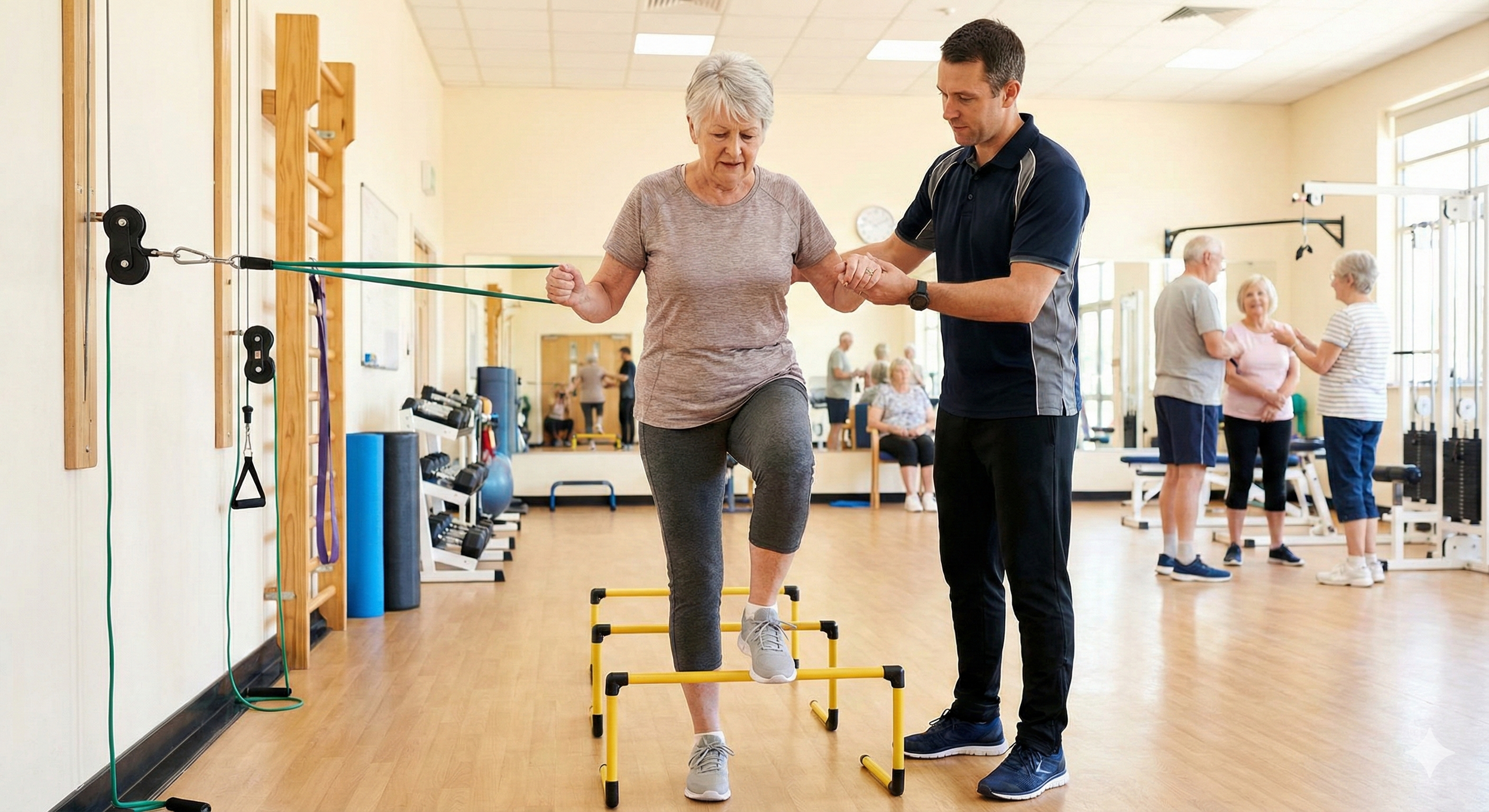
This month, we’re highlighting a new research study co-authored by Holly Bardutz, published in the Journal of Aging and Physical Activity. The study examined how an individualized, community-based exercise program can support older adults living with chronic neurological conditions, such as Parkinson’s disease, multiple sclerosis, or stroke, by improving key aspects of physical and cognitive functioning.
Key Highlights:
What the research shows: Participants engaged in a tailored, one-on-one exercise program designed to meet their specific mobility and health needs. Over the course of the program, older adults showed meaningful improvements in balance, strength, confidence in movement, and overall functional fitness. Many also reported feeling more capable, more motivated, and more connected to their bodies.
Why it matters for brain health: Neurological conditions often impact both physical and cognitive abilities. Safe, personalized exercise helps support brain function by increasing blood flow, improving motor control, and strengthening pathways involved in coordination, attention, and mood regulation. The study reinforces that targeted movement is not just beneficial, it’s essential for maintaining independence and cognitive resilience.
A closer look at the science: Researchers used mixed-methods analysis, combining quantitative fitness measures with interviews and participant feedback. This approach revealed not only physical improvements, but also emotional and psychological benefits, including reduced fear of falling, greater self-efficacy, and improved quality of life. These elements play a crucial role in supporting long-term brain health and overall well-being.
This study is an inspiring example of how individualized exercise programs can empower older adults living with neurological challenges. Holly’s contribution underscores an important message: movement, when adapted to a person’s needs, is one of the most powerful tools we have for supporting both the body and the brain as we age.
Bonus Read: Understanding Winter’s Impact on Mood & Brain Health

A recent article from Neuroscience News highlights how shorter days and reduced sunlight in fall and winter can trigger serious mood changes, sometimes even a condition called Seasonal Affective Disorder (SAD).
What the research shows:
As daylight fades, lower exposure to natural light can disrupt brain chemicals such as serotonin and melatonin, as well as disturb our circadian rhythm (our internal body clock).
For some, these shifts can cause persistent symptoms: fatigue, low mood, loss of interest in activities, changes in sleep or eating patterns, difficulty concentrating, much more serious than a temporary “winter slump.”
Why it matters for brain & mental health: During winter, when sunlight is limited, many people are vulnerable to mood disturbances, which can affect thinking, memory, motivation, and overall mental well-being. Recognizing these patterns early and treating them appropriately is just as important for brain health as physical exercise or healthy eating.
What we can do to protect ourselves:
Consider light therapy, especially on darker mornings. For many people, it’s among the most effective ways to restore balance.
Stay consistent with healthy habits: regular movement, good sleep, and balanced nutrition help support serotonin production and circadian rhythm stability.
Stay socially connected and monitor mood changes: staying in touch with friends or community, even digitally, can help buffer against seasonal low mood.
This article is an important reminder that seasonal changes don’t just affect the weather; they affect our brain biology. With awareness and simple protective habits, we can reduce the risk of winter-related mood disruptions and keep our minds resilient and healthy through the darker months.
Last Events of the Year!
We have 2 events left for the year, do not miss the opportunity to subscribe:
The Fascinating and Awful Topic of Pain with Tasha Stanton
Tuesday, December 9 · 7:00 p.m. CST
The Impact of Sleep on the Brain
Thursday, December 18 · 10:30 a.m. CST
Recent Research & Recognition
This month, we’re excited to highlight a new podcast episode featuring Dr. Holly Bardutz as a guest on Work Life Harmony. In this thoughtful and practical conversation, Holly shares her expertise on one of her most passionate topics: brain health for busy women.
In the episode, Holly breaks down what truly supports a healthy brain in the midst of a packed schedule, covering movement, stress management, sleep, cognitive engagement, and simple daily habits that make a meaningful difference. She also discusses how women can better understand their brains’ needs during different life stages, and how small, sustainable routines can help protect long-term cognitive health.
This appearance is a wonderful recognition of Holly’s growing impact as a leader in the field of brain wellness. It also offers listeners actionable, compassionate guidance, perfect for anyone juggling work, family, and personal well-being while trying to stay mentally strong.
If you’d like to learn more about how to support your brain in realistic, achievable ways, this episode is well worth a listen.
From Holly and all of us at Community & Company, we hope you’ve enjoyed this month's edition of The Brain Science Bulletin!
If you know someone who would find this newsletter helpful, feel free to share it with them. They can also join our mailing list by signing up at the bottom of our website’s Contact Page.
Thank you for being part of our community. We appreciate you! See you in the next edition.
Warm regards,
Holly Bardutz and the Community & Company Team
“You make your brain, then your brain makes you!”
Disclaimer: The information provided here is for educational purposes only and is not intended as medical advice. Always consult a qualified healthcare professional for medical concerns or treatment.